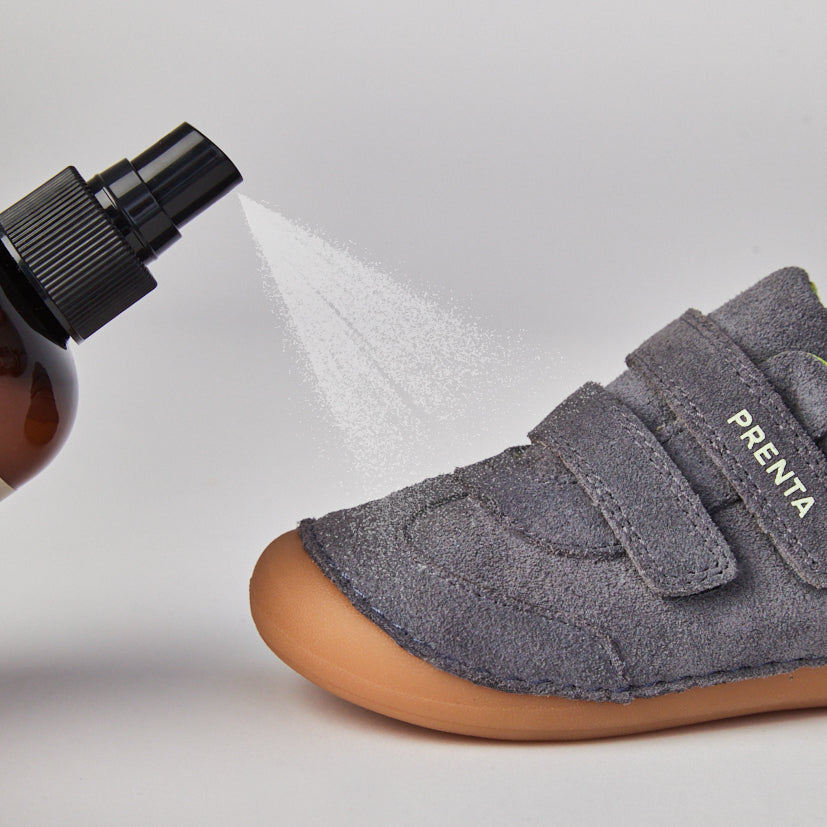
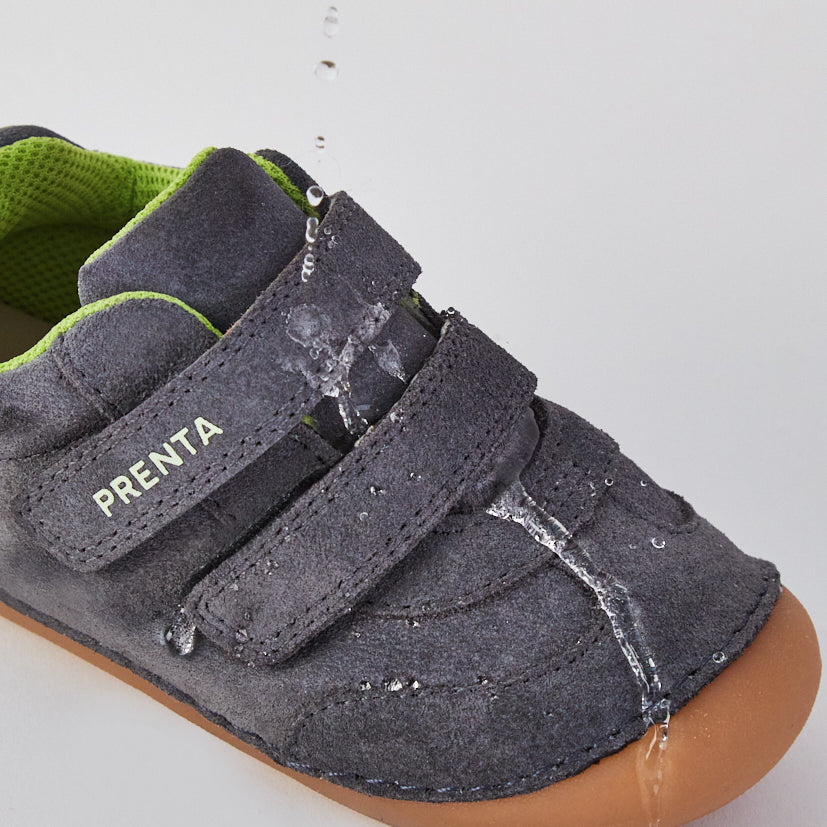
Los zapatos barefoot para niños ofrecen una gran cantidad de beneficios para el desarrollo de los pies de su hijo y la salud general de los pies. Están diseñados para permitir que los pies pequeños crezcan e interactúen con el mundo tal como la naturaleza lo concibió, apoyando una marcha natural al caminar y correr.
Nuestra guía de zapatos barefoot para niños le informa sobre todo lo que necesita saber sobre este beneficioso estilo de calzado, incluyendo nuestro proceso de fabricación y cómo debe hacer la transición/introducir a su hijo a los zapatos barefoot.

Todo lo que necesitas saber sobre el calzado minimalista para niños
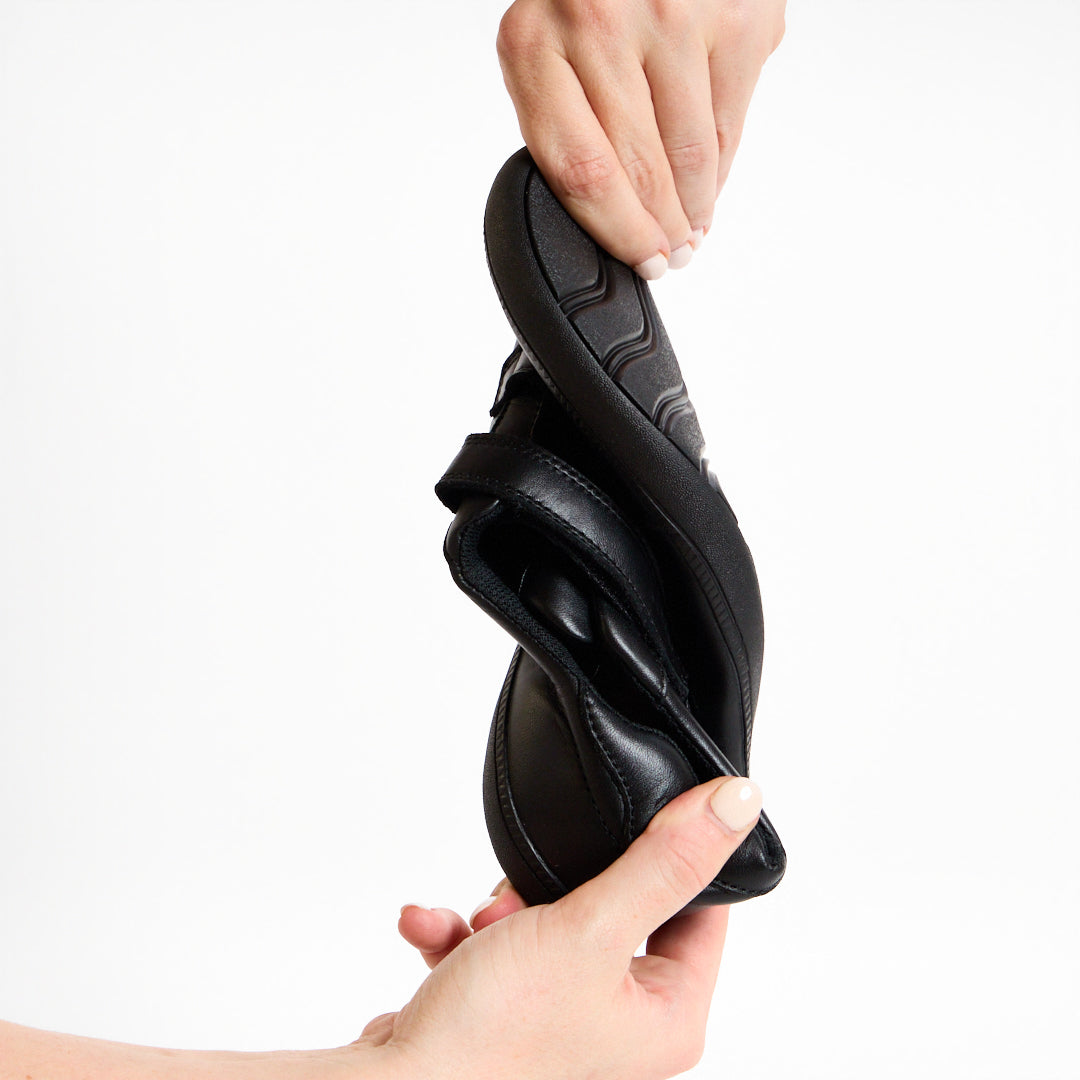
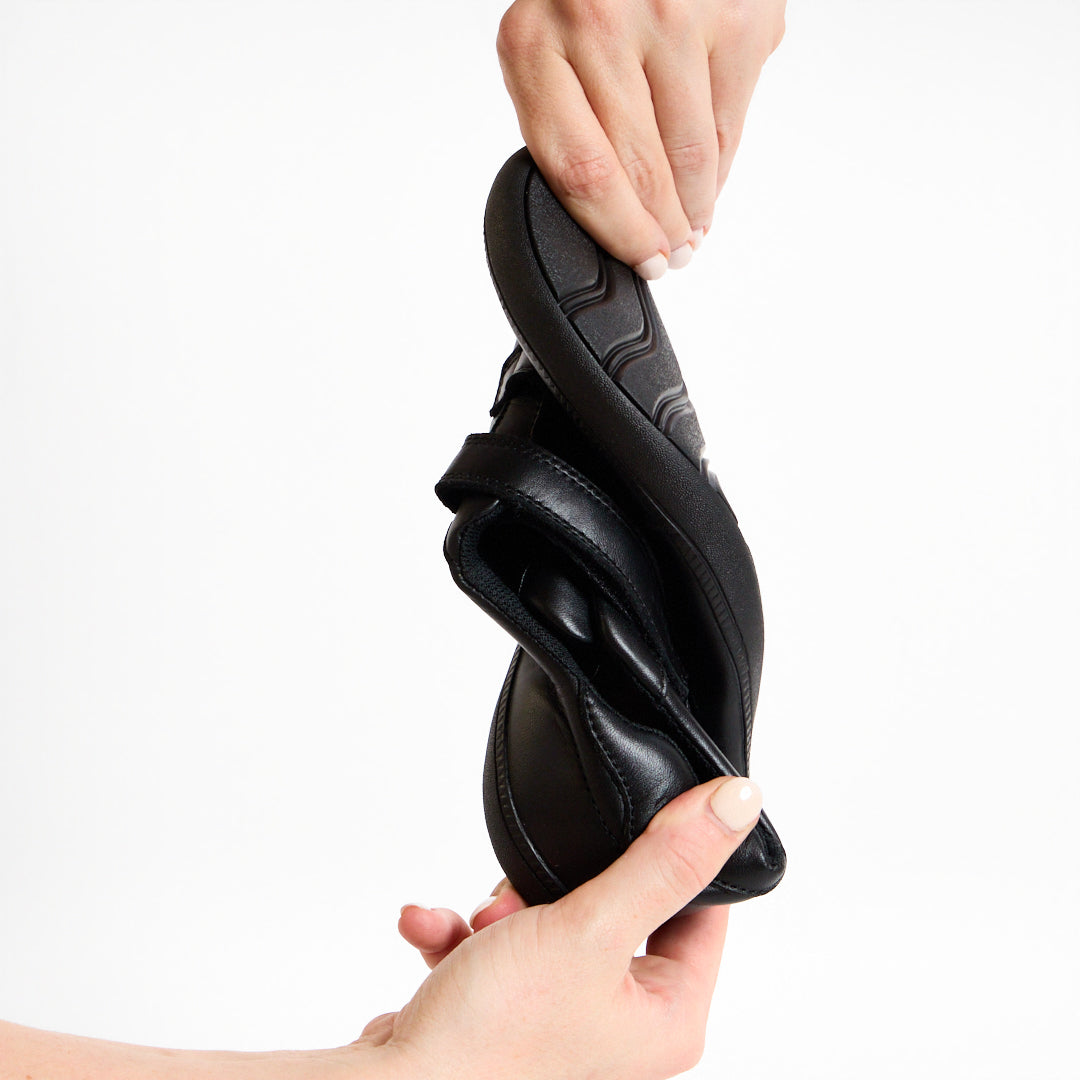
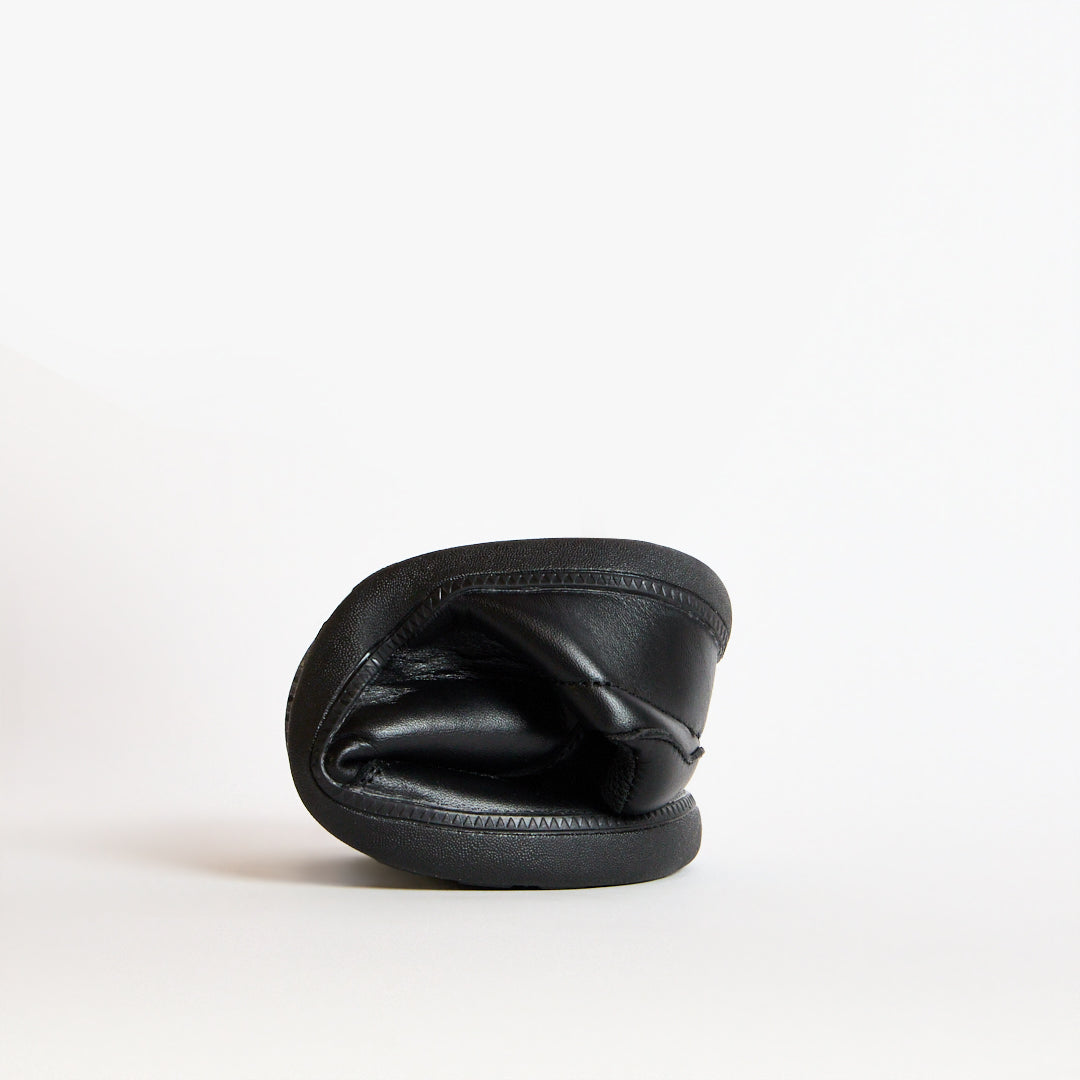
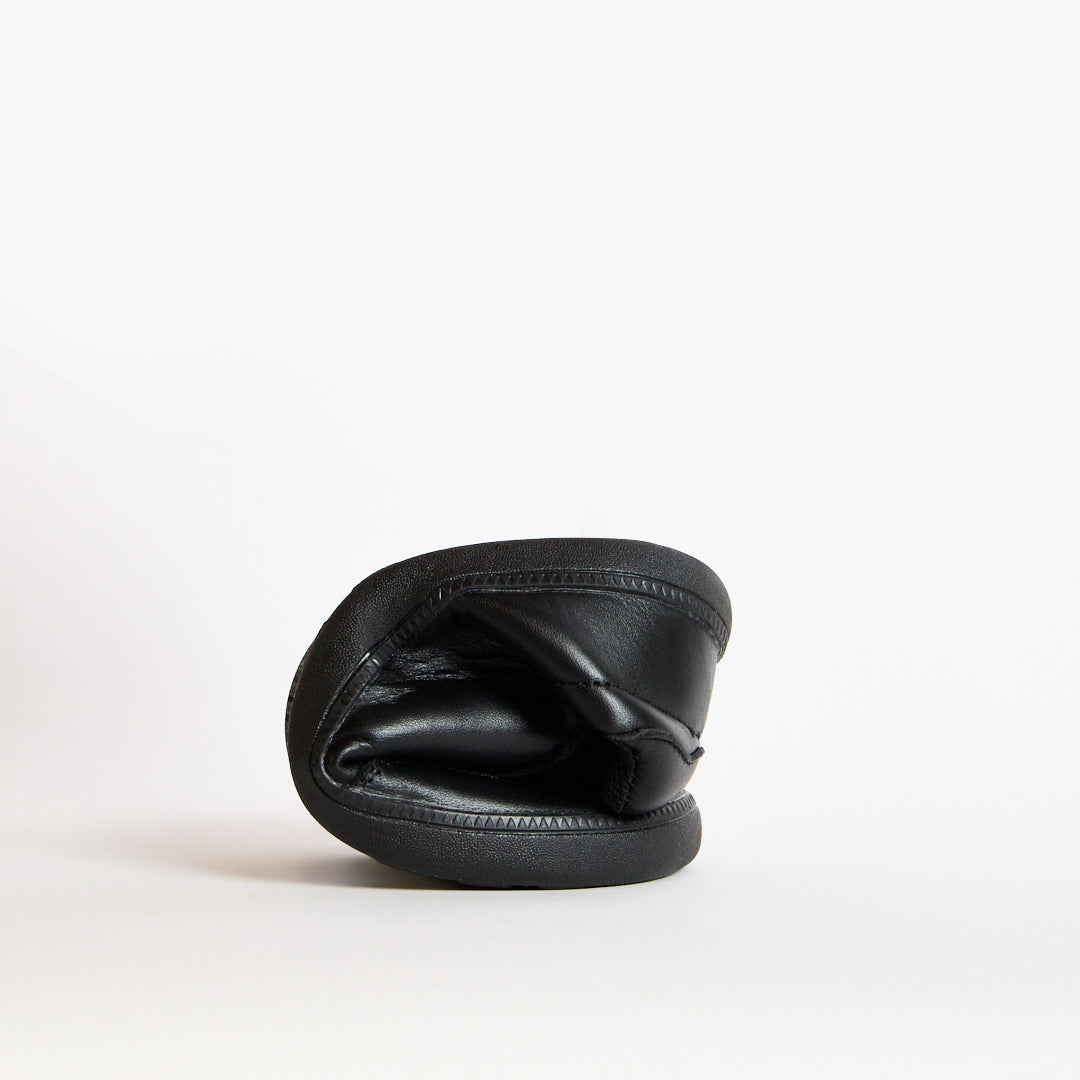
El calzado minimalista para niños está diseñado específicamente para imitar la sensación y los beneficios de caminar descalzo, al mismo tiempo que proporciona el nivel de protección física que los pies pequeños necesitan.
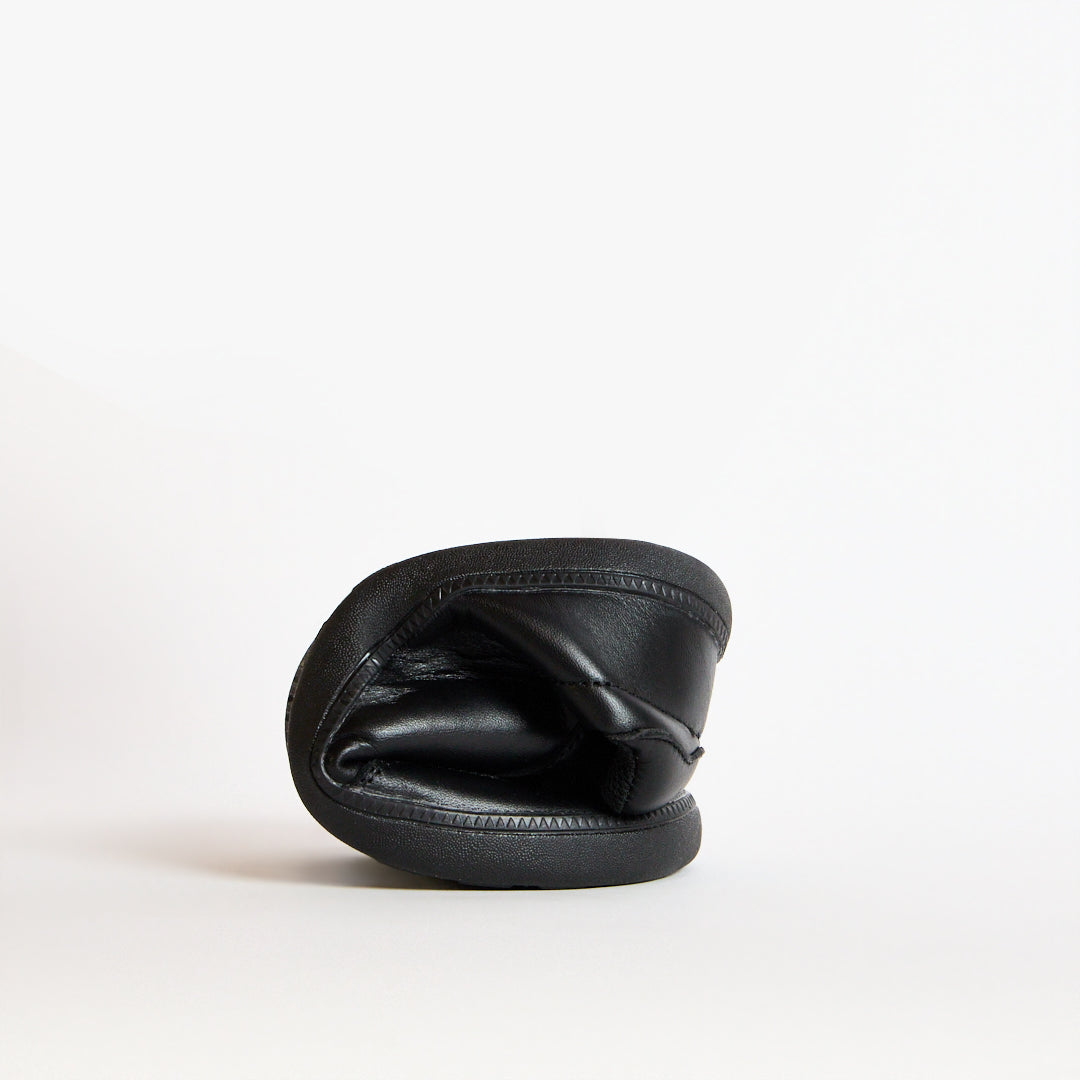
Están fabricados con la salud del pie de los niños como la prioridad número uno, utilizando materiales blandos como cuero y cuero charol, e incorporando una serie de características (mencionadas a continuación) para permitir la libertad de movimiento y el desarrollo de los niños.

Características del calzado minimalista
Los zapatos minimalistas están elaborados con las siguientes características como prioridad en el diseño:
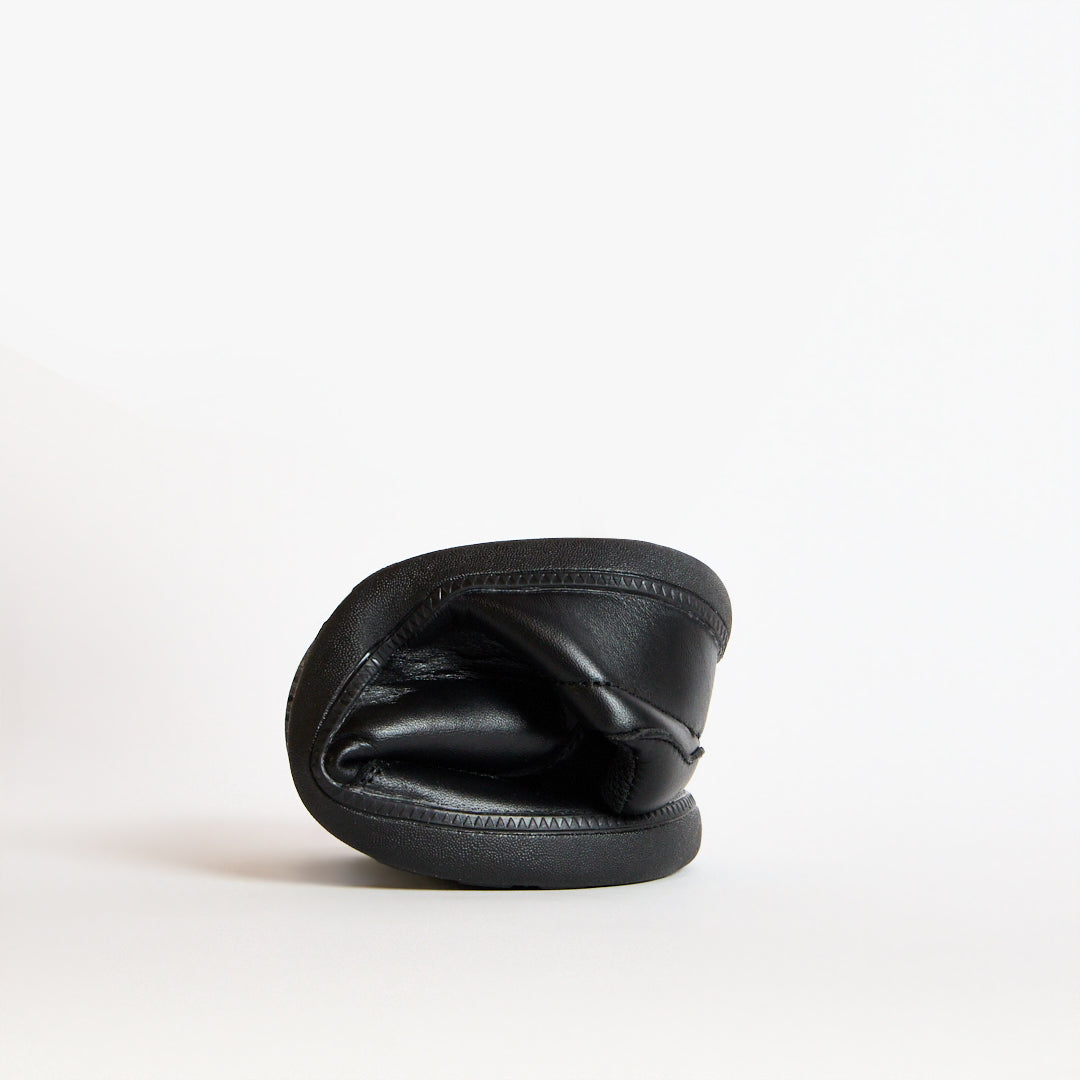
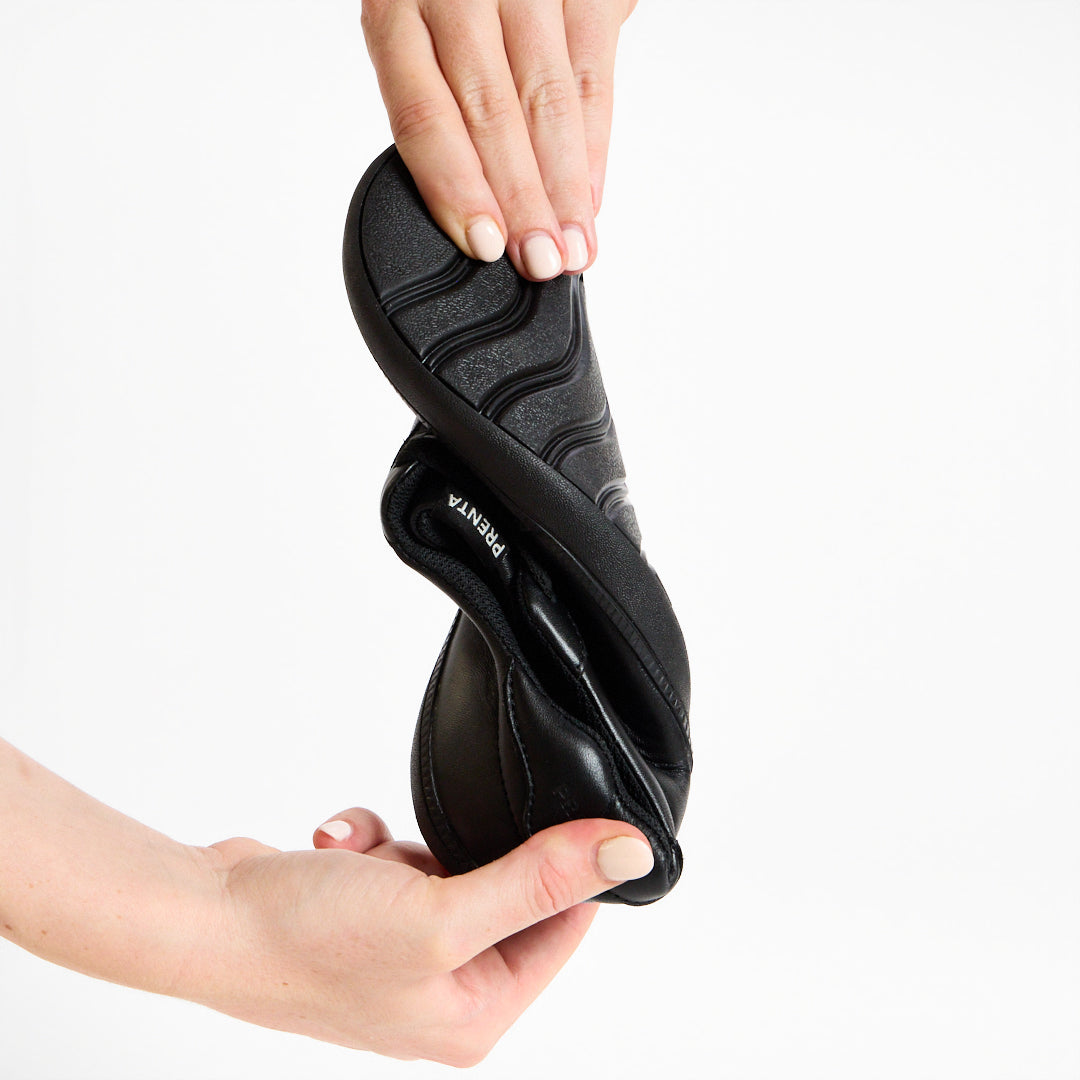
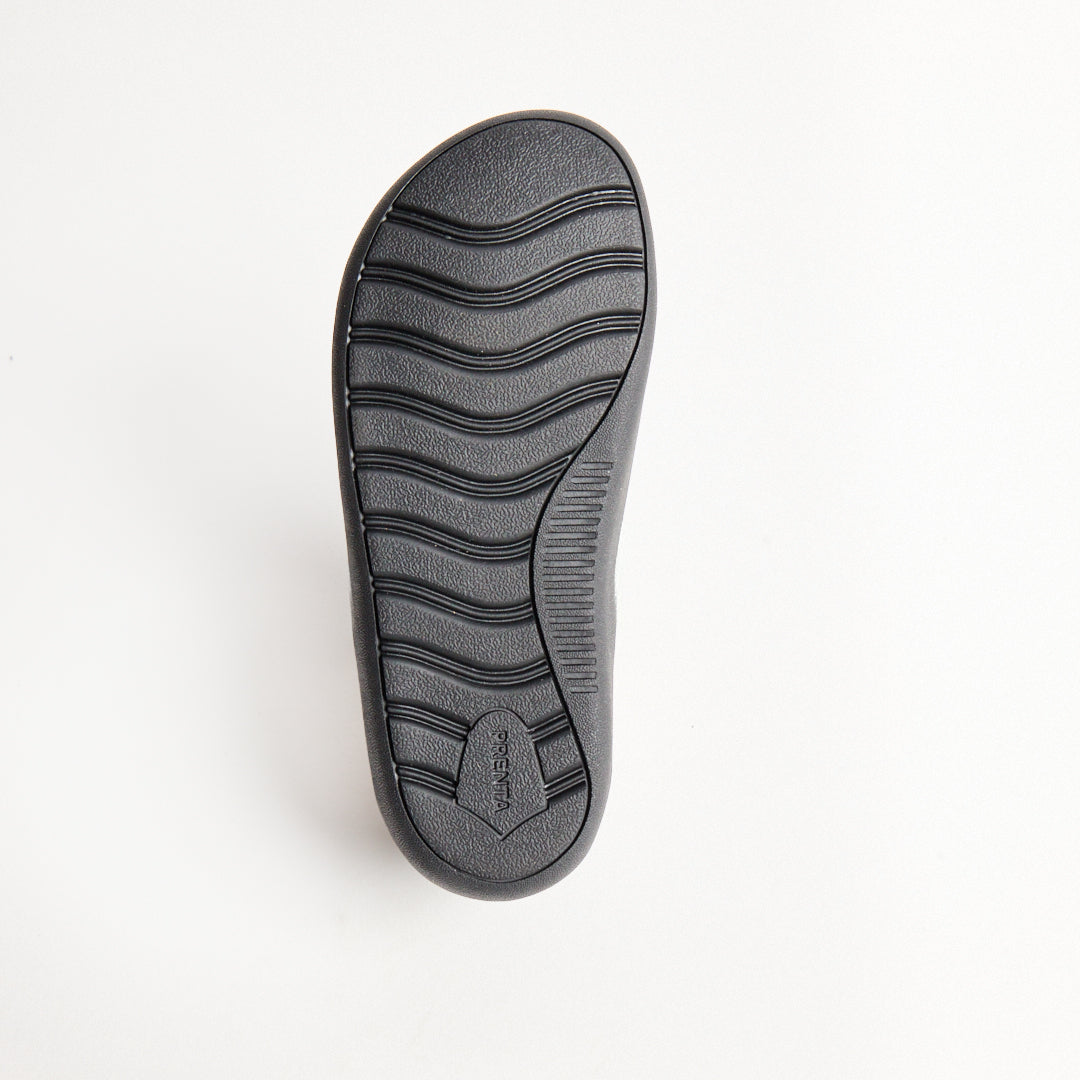
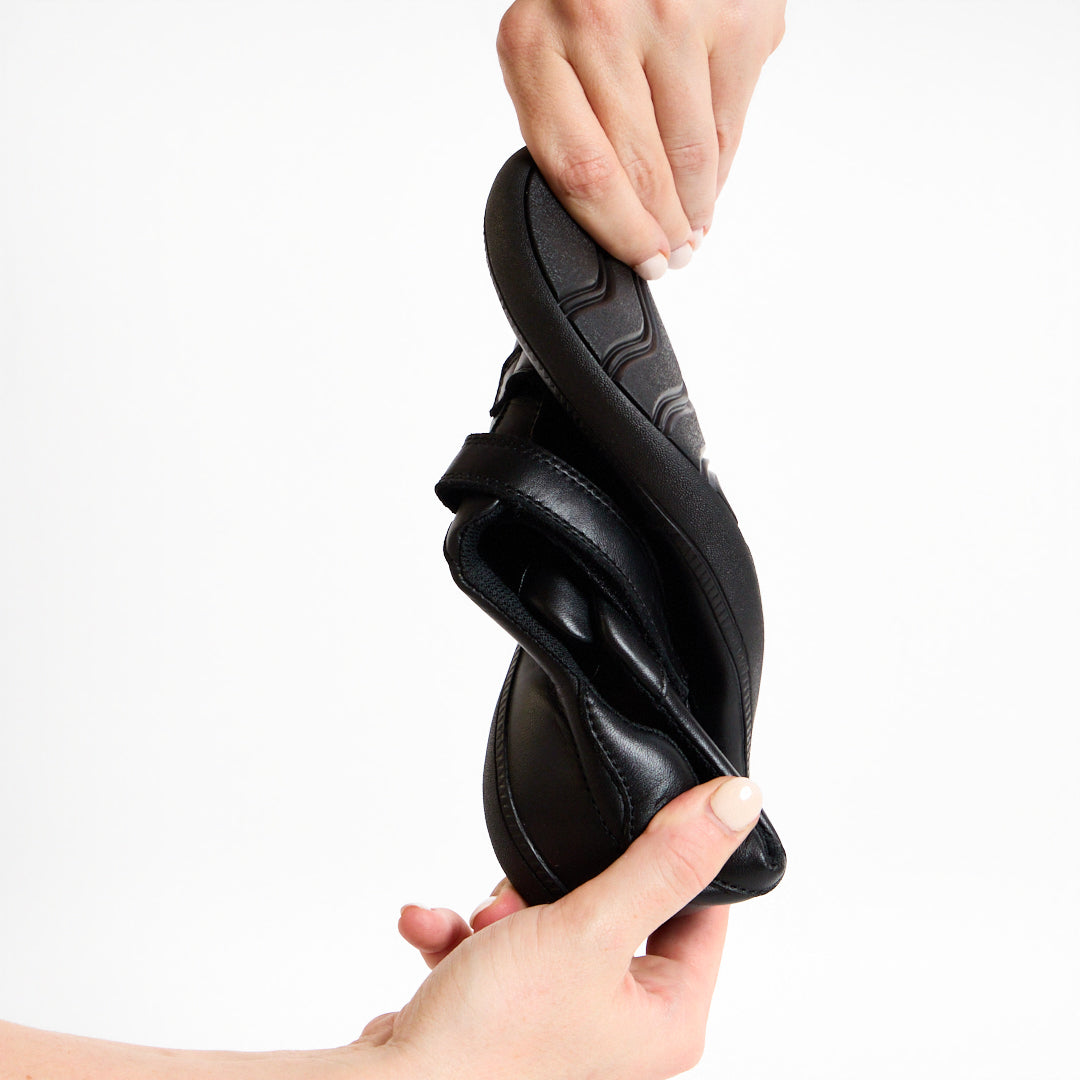
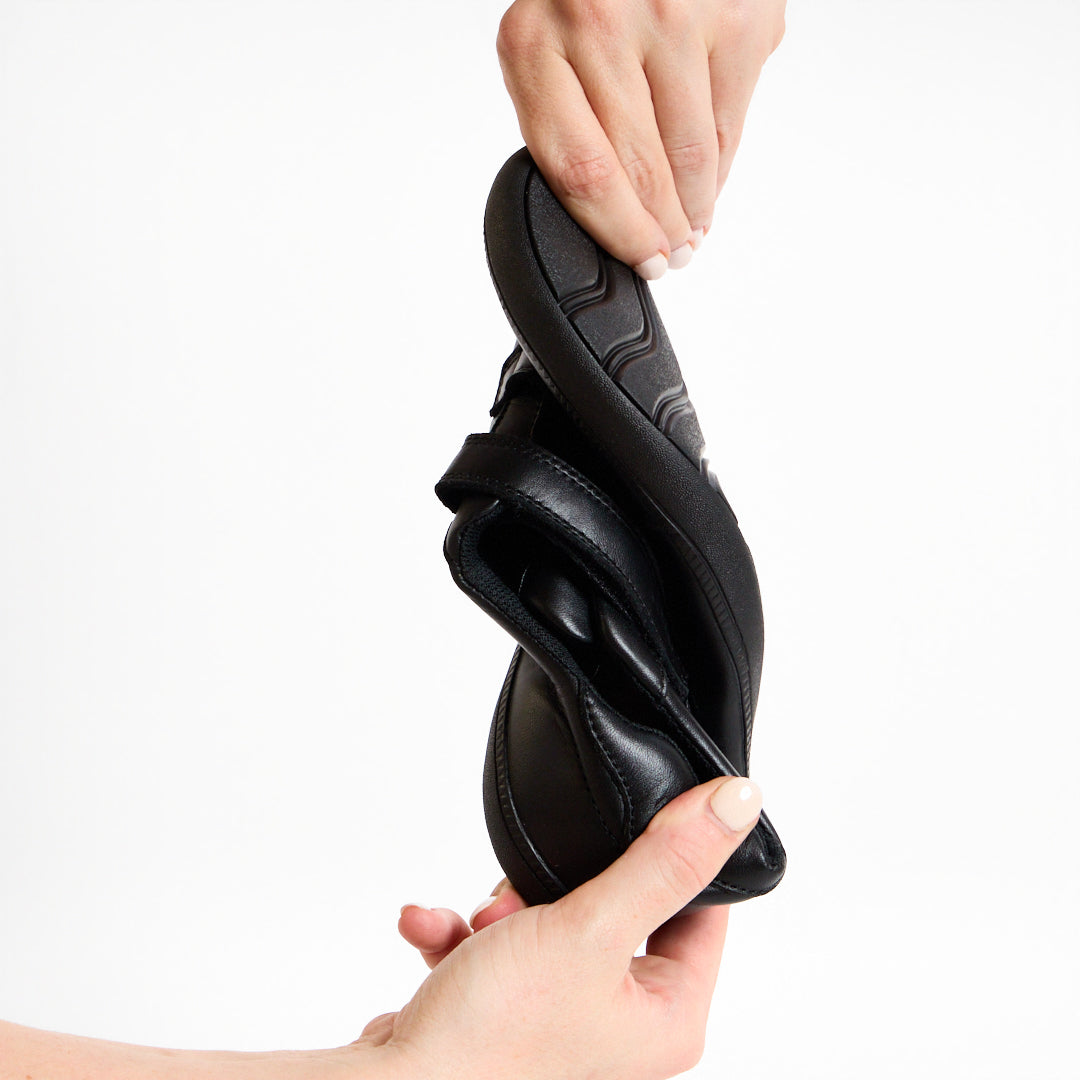
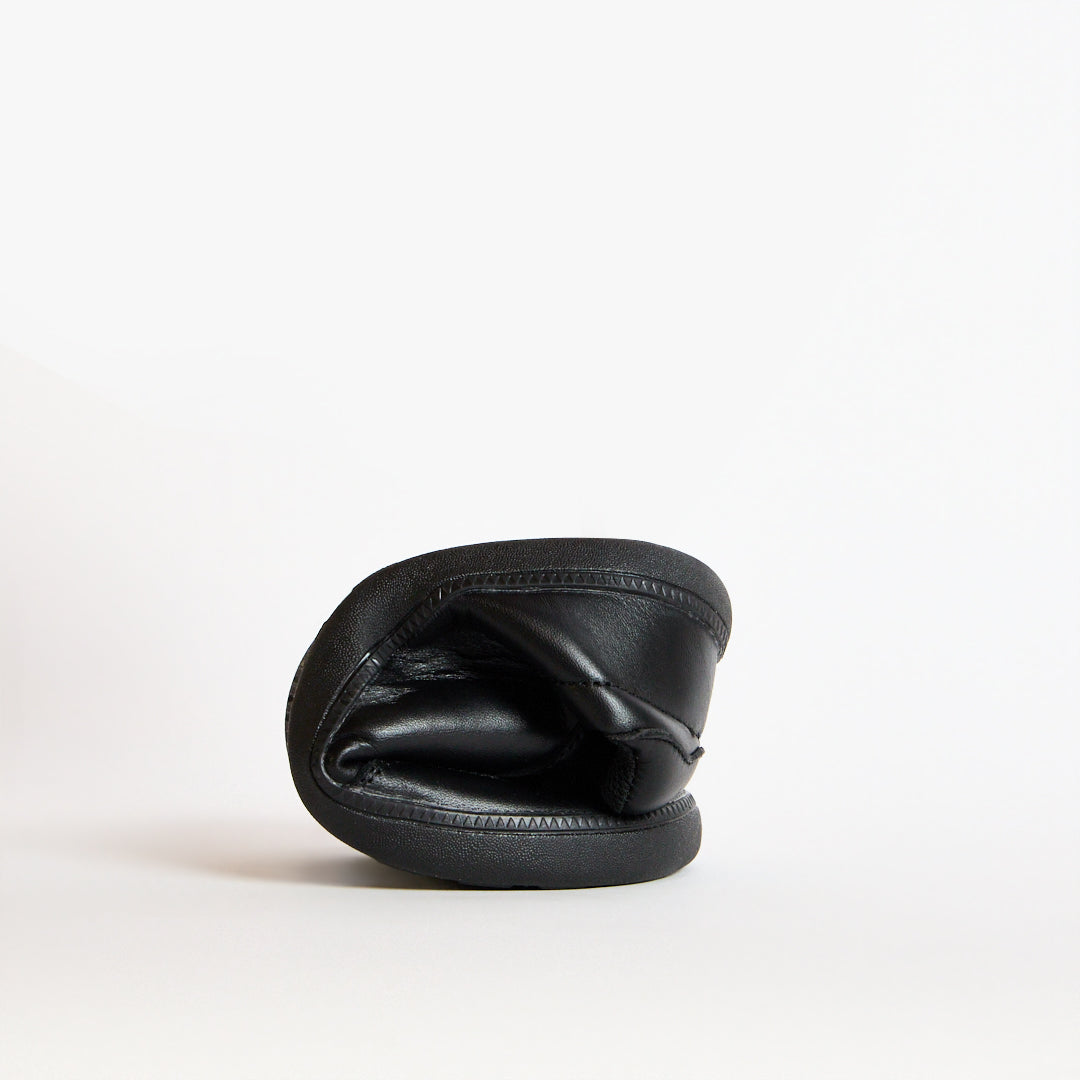
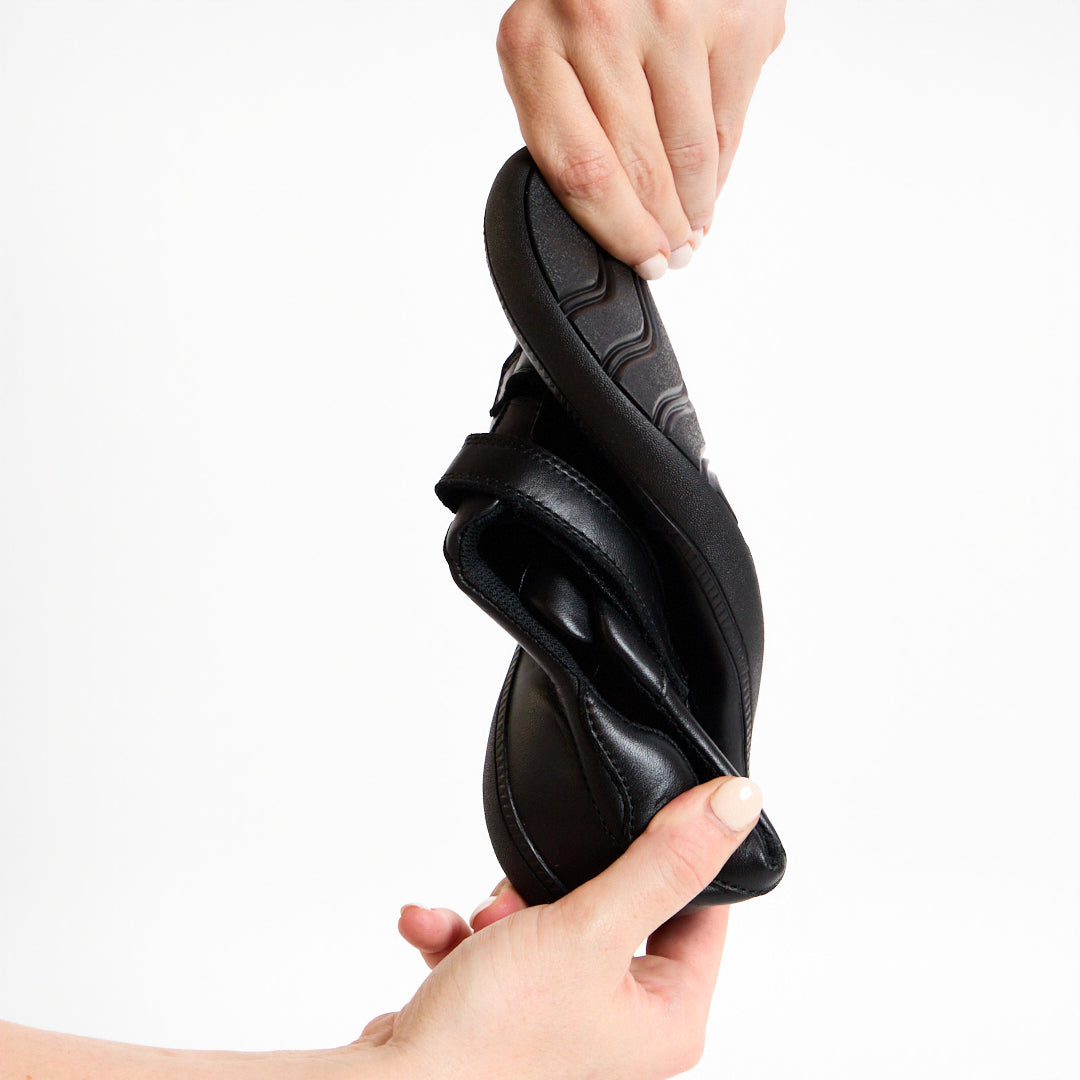
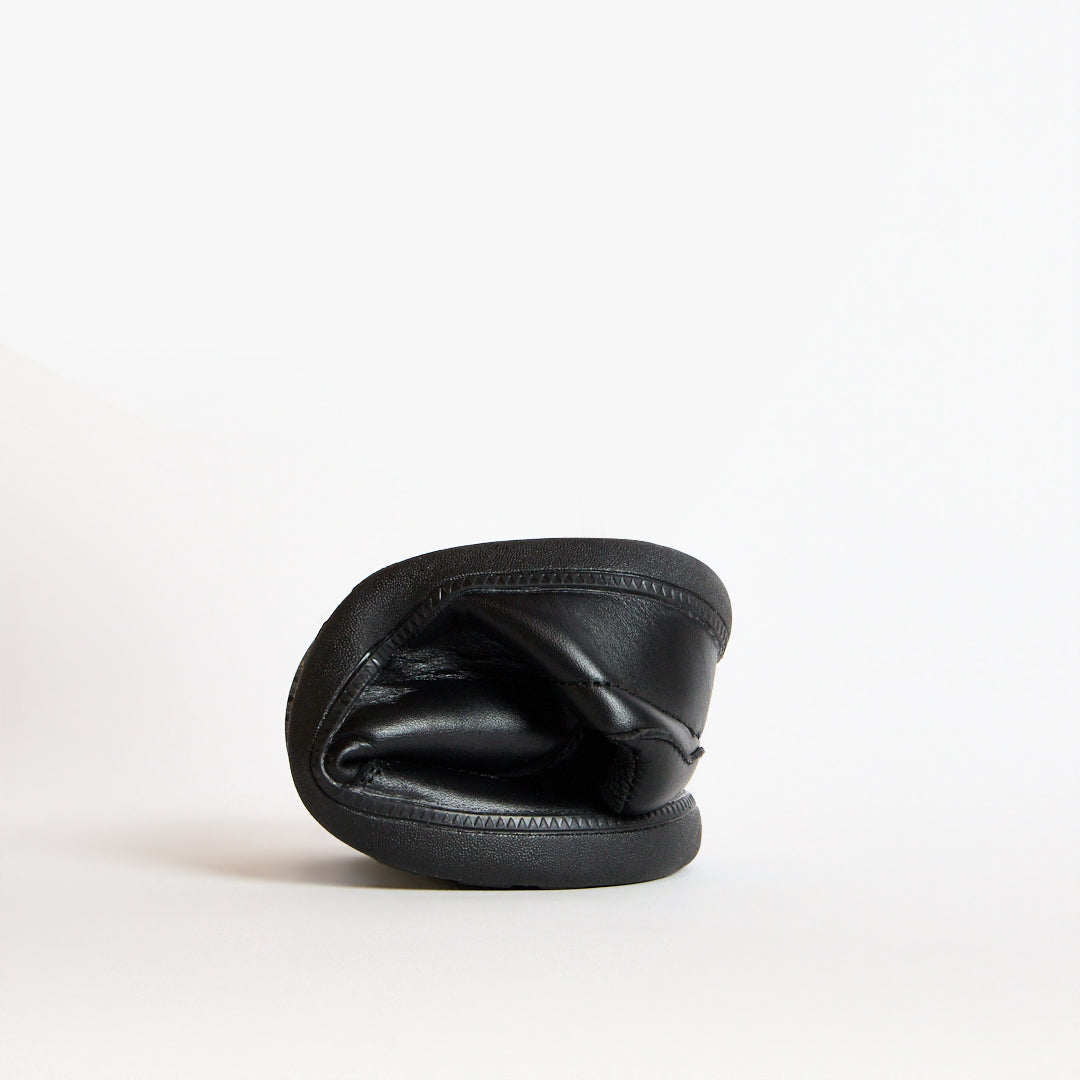
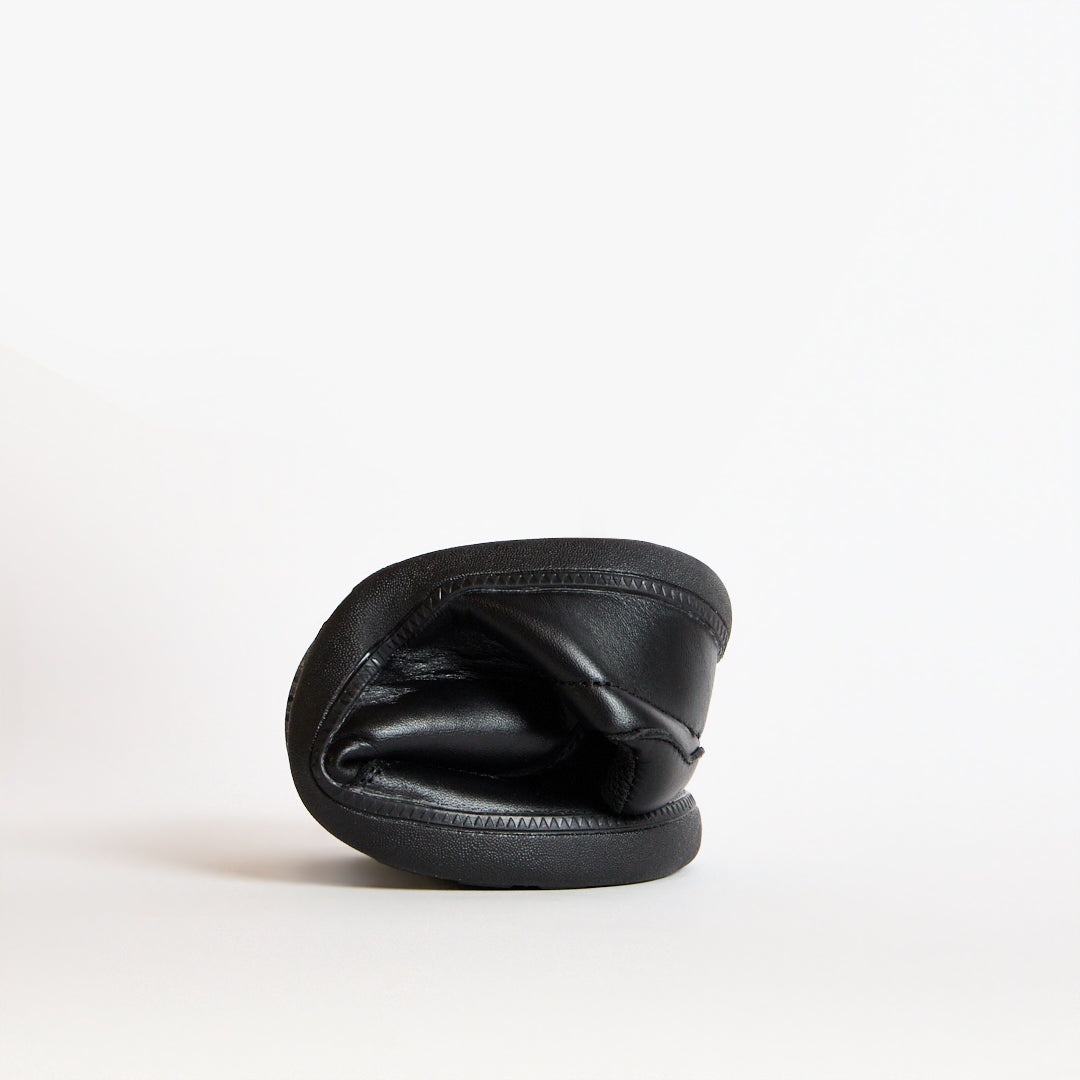
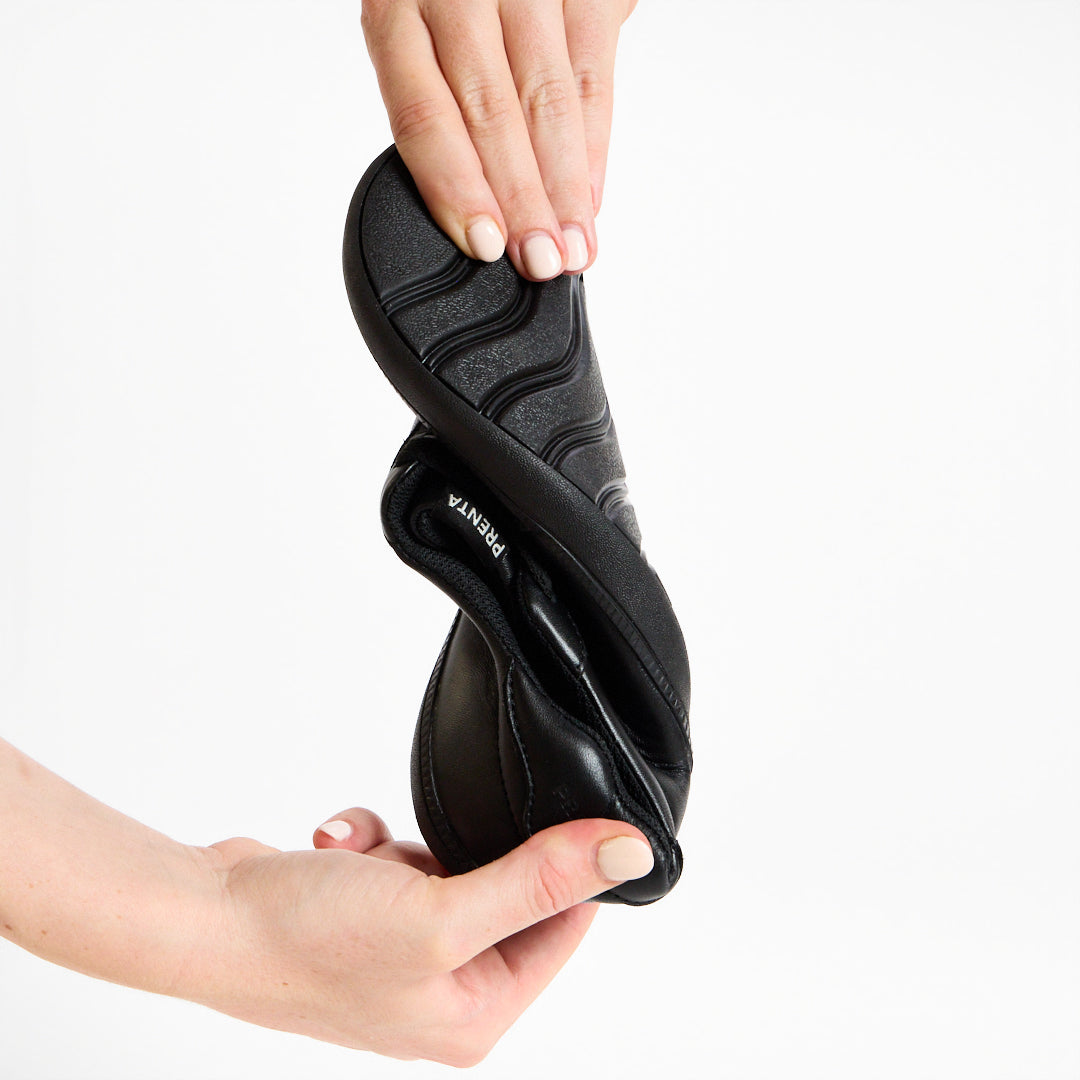
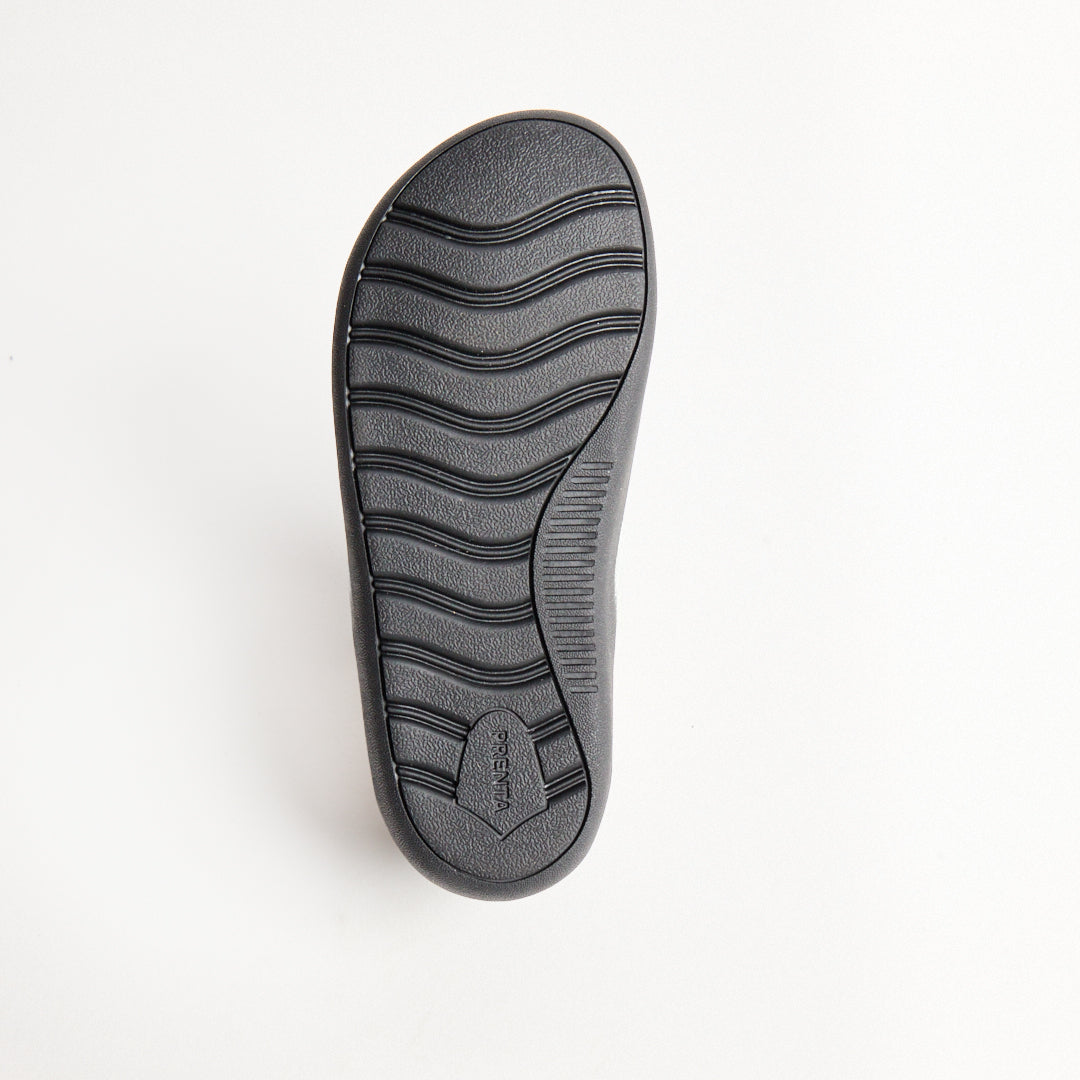
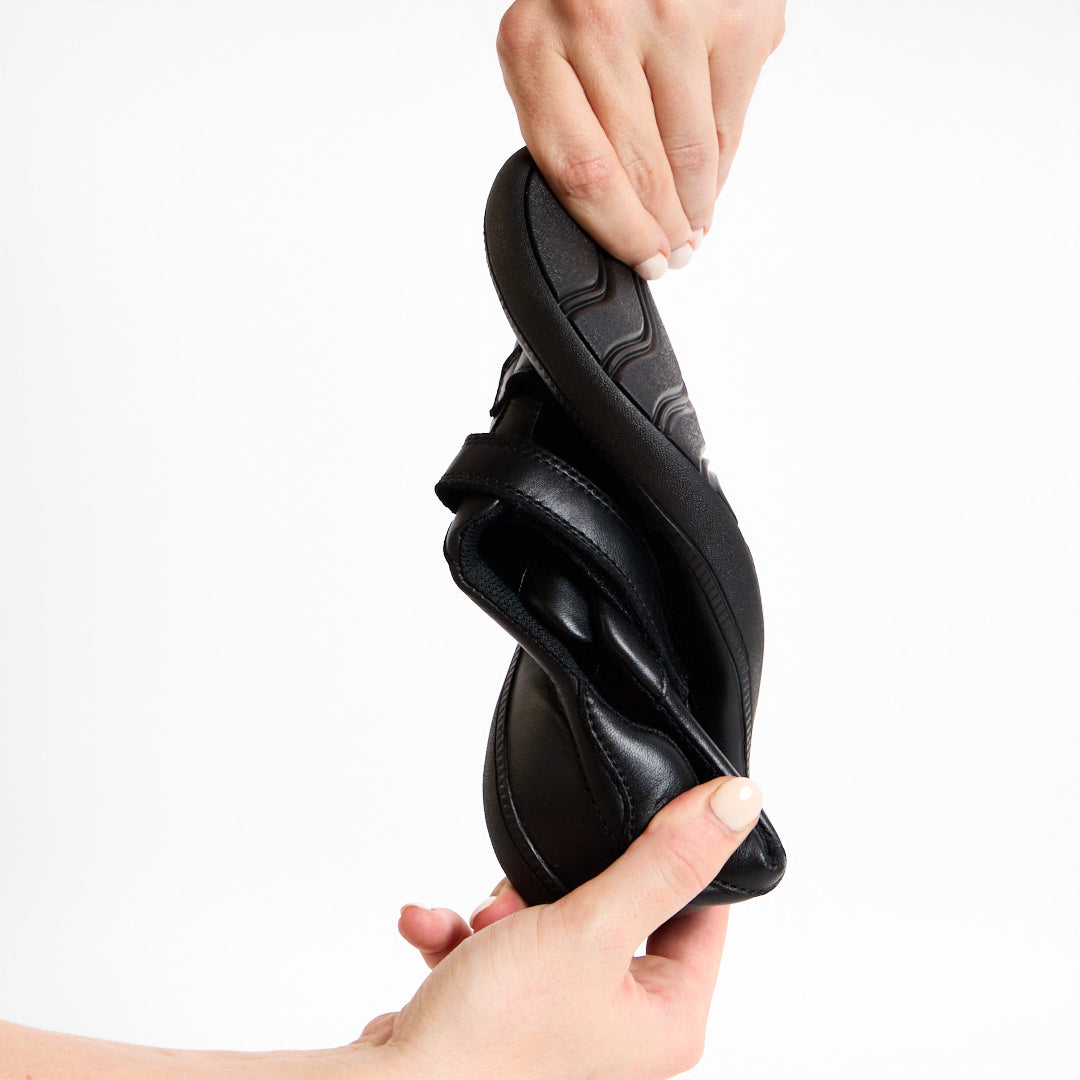
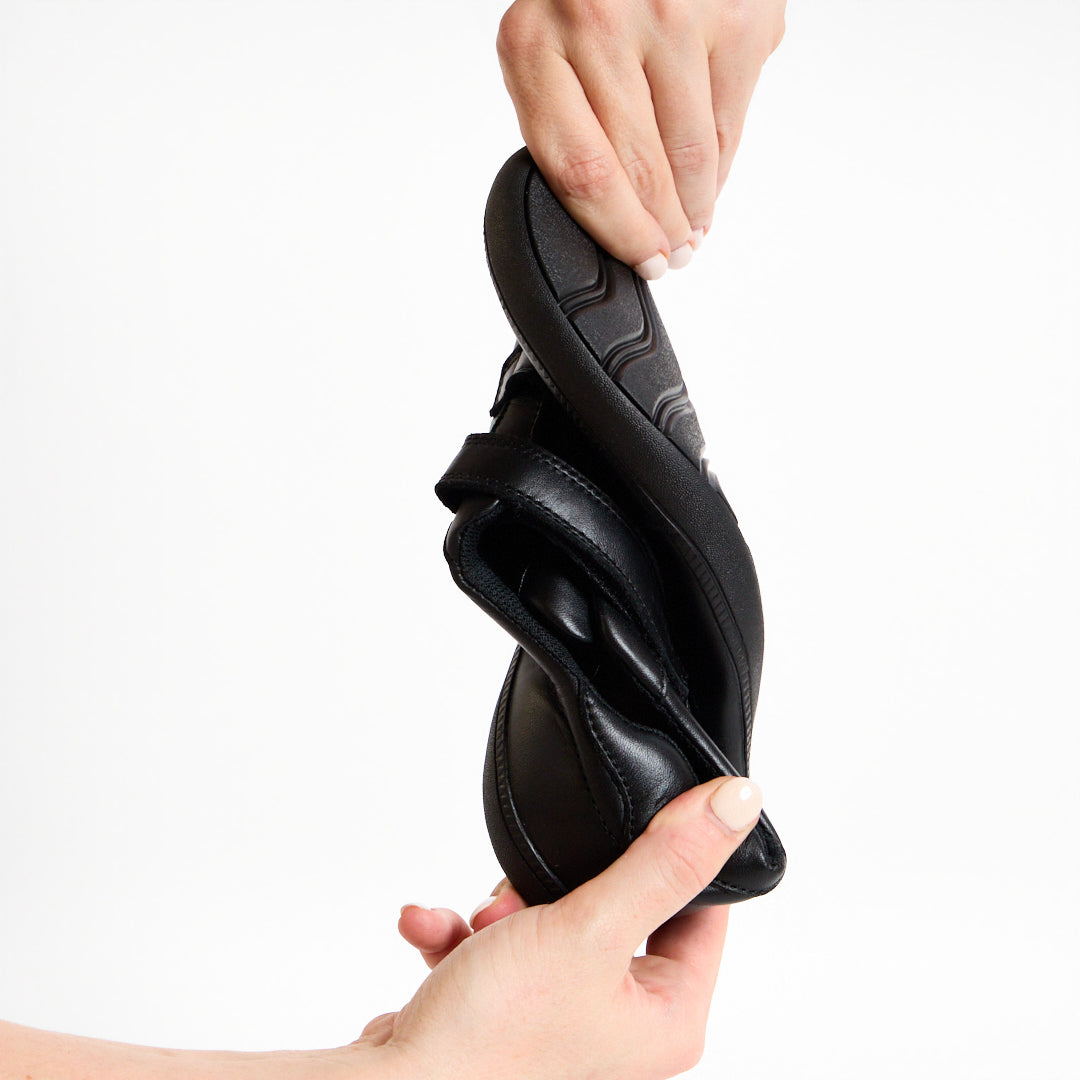
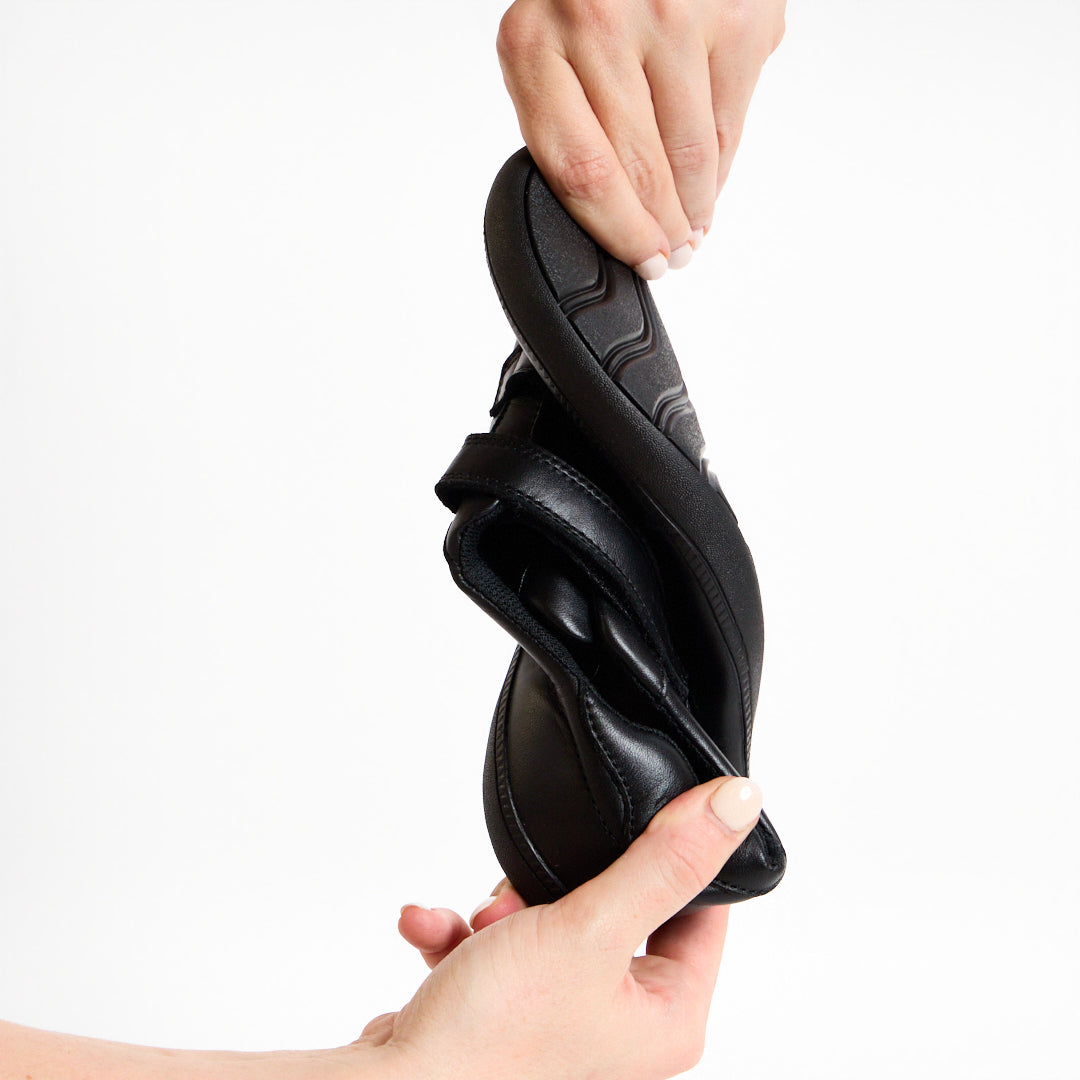
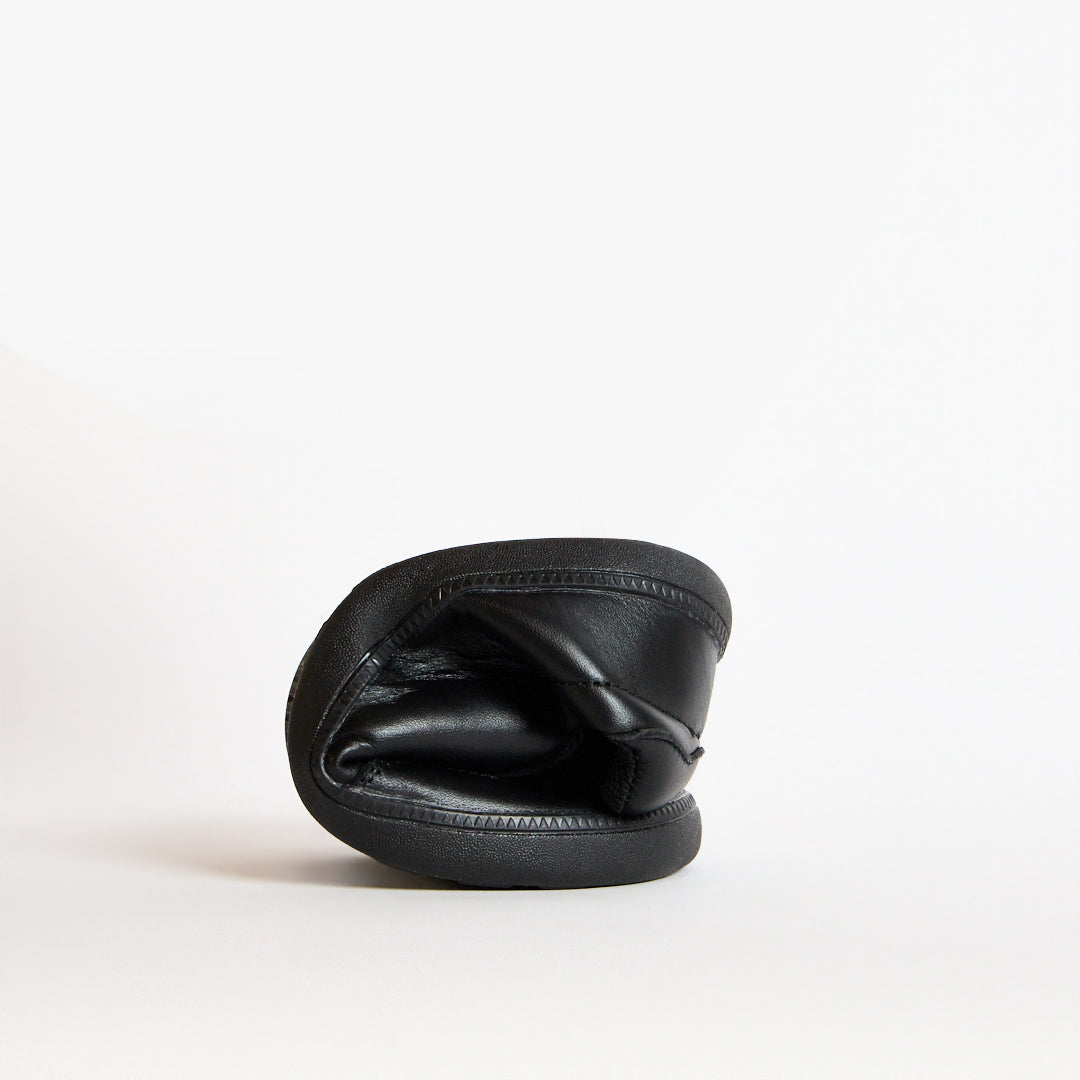
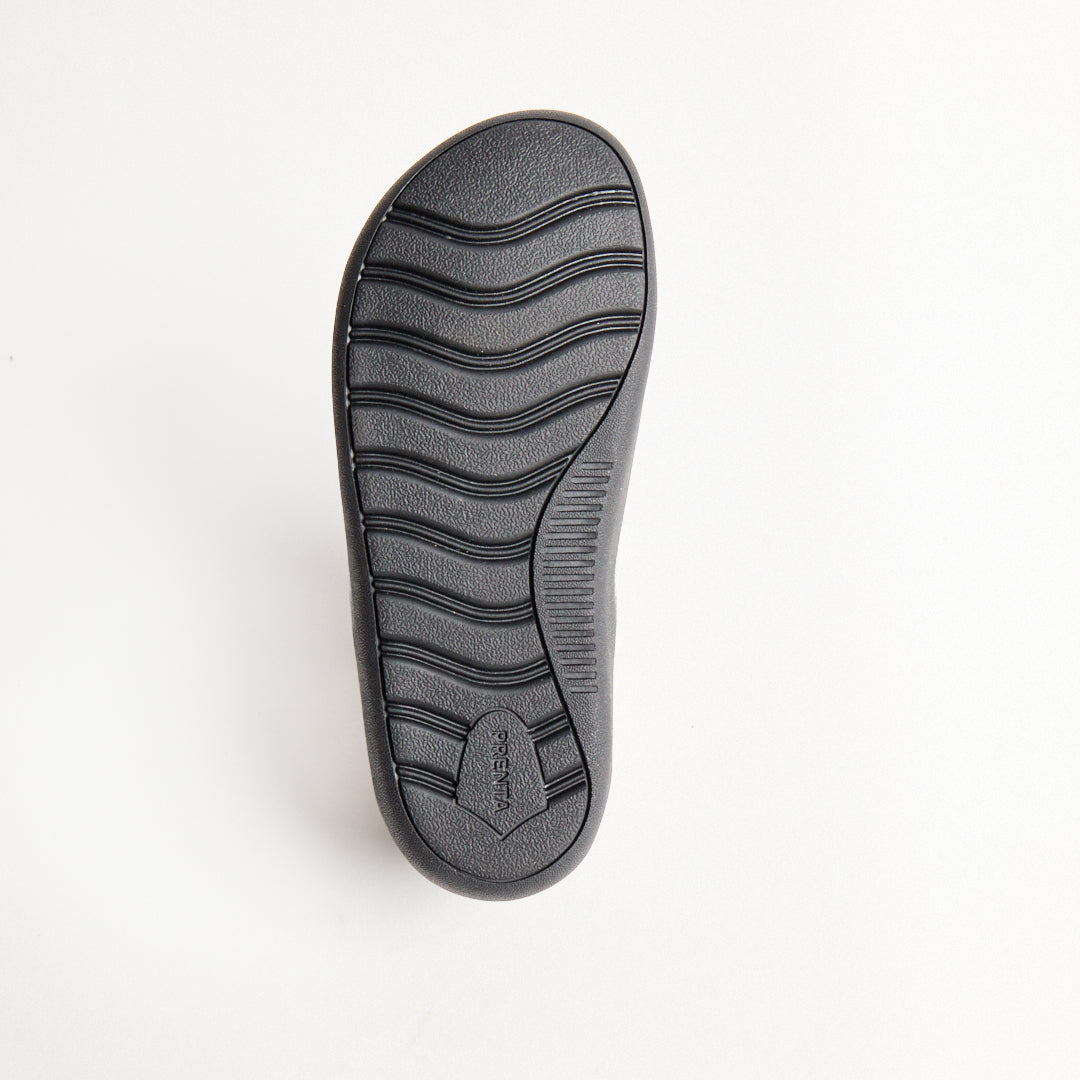
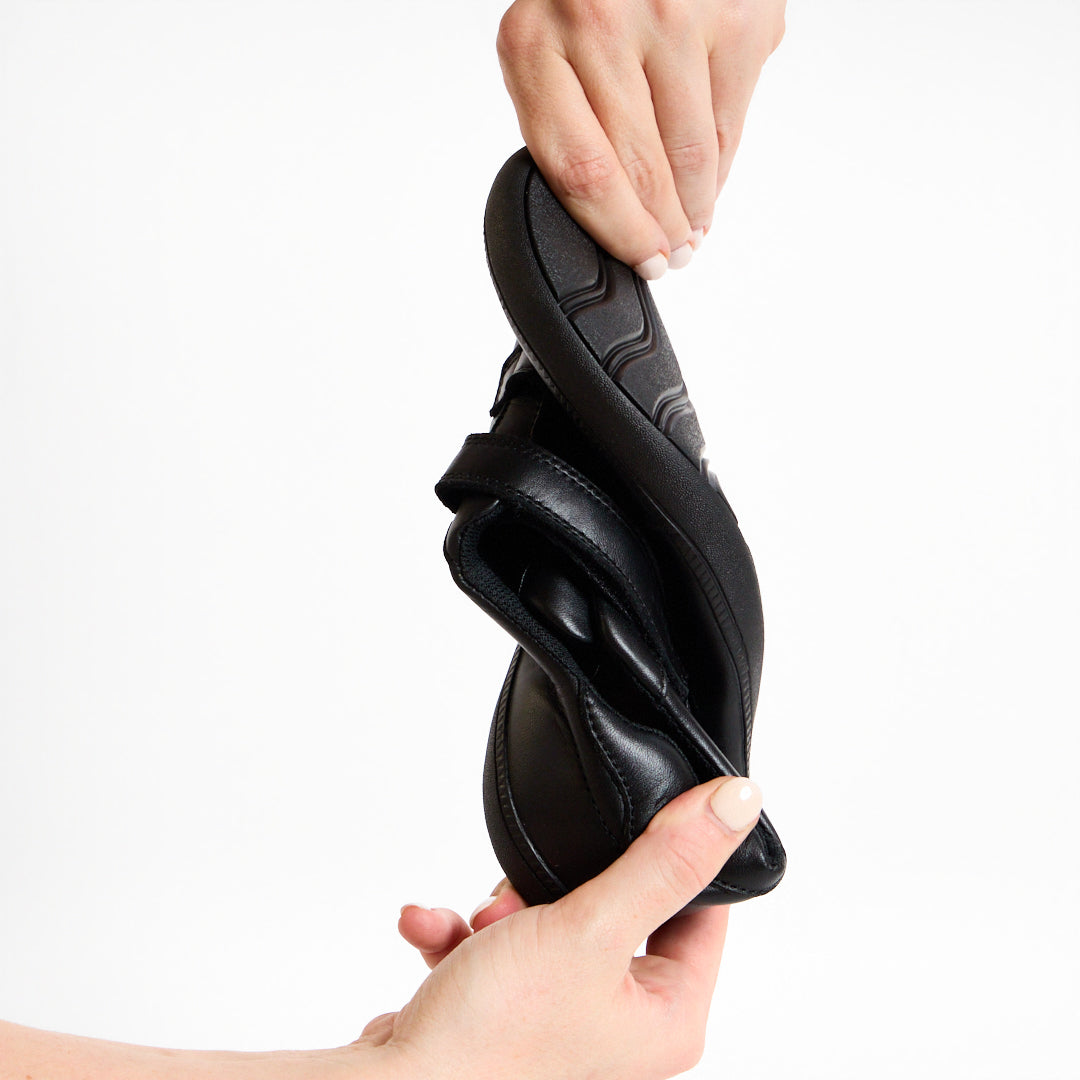
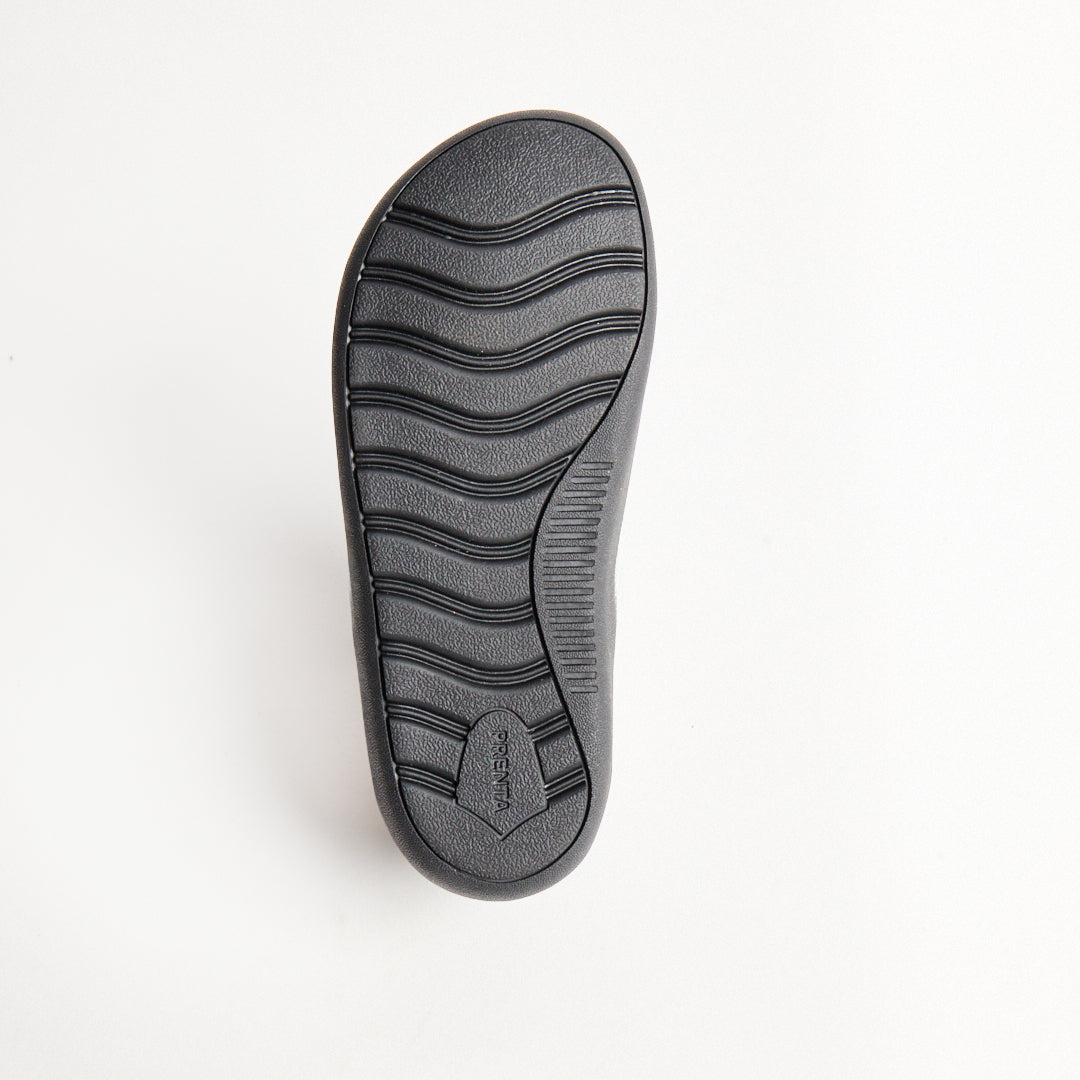
- Suelas flexibles
- Construcción ligera
- Puntera ancha
- Libertad para los pies pequeños
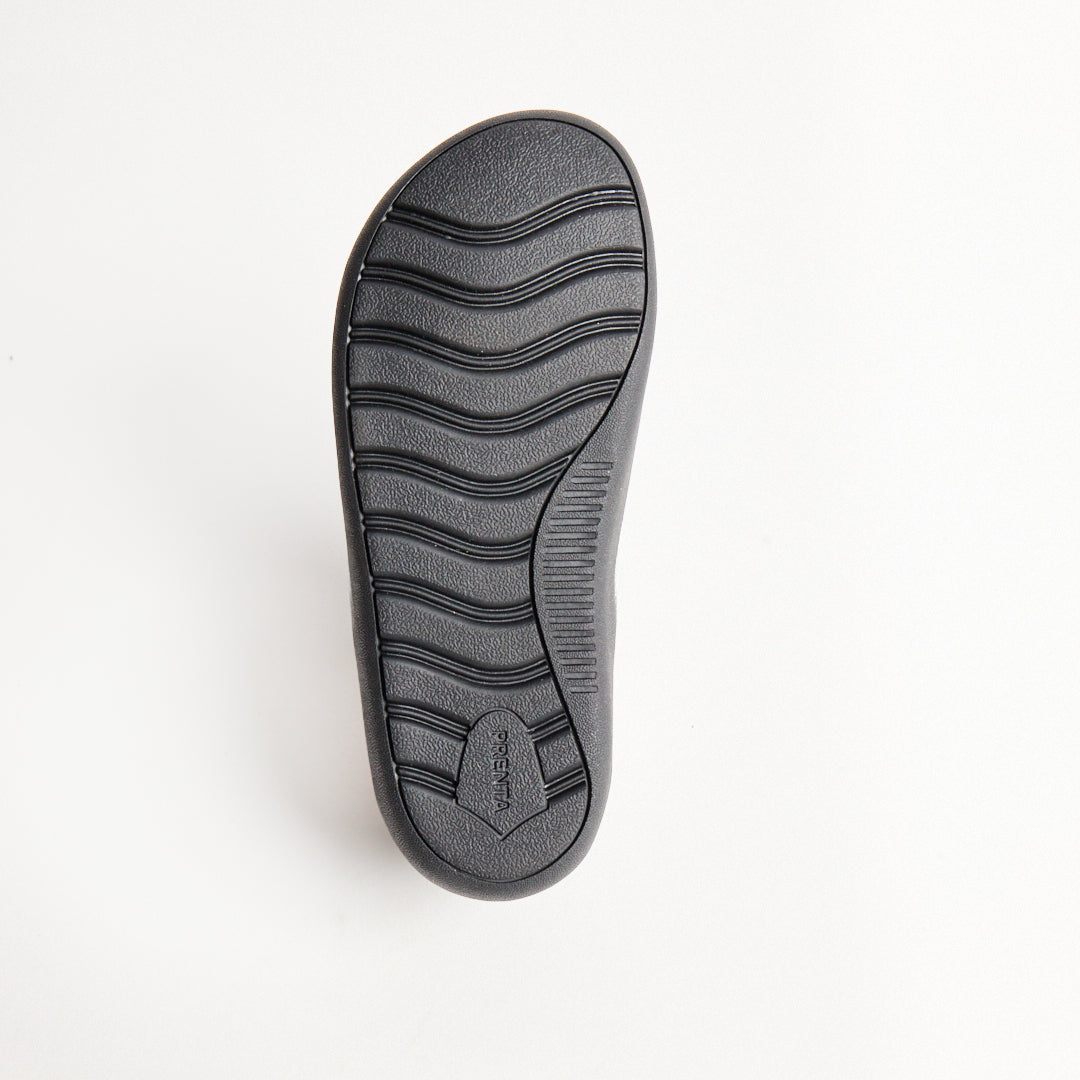
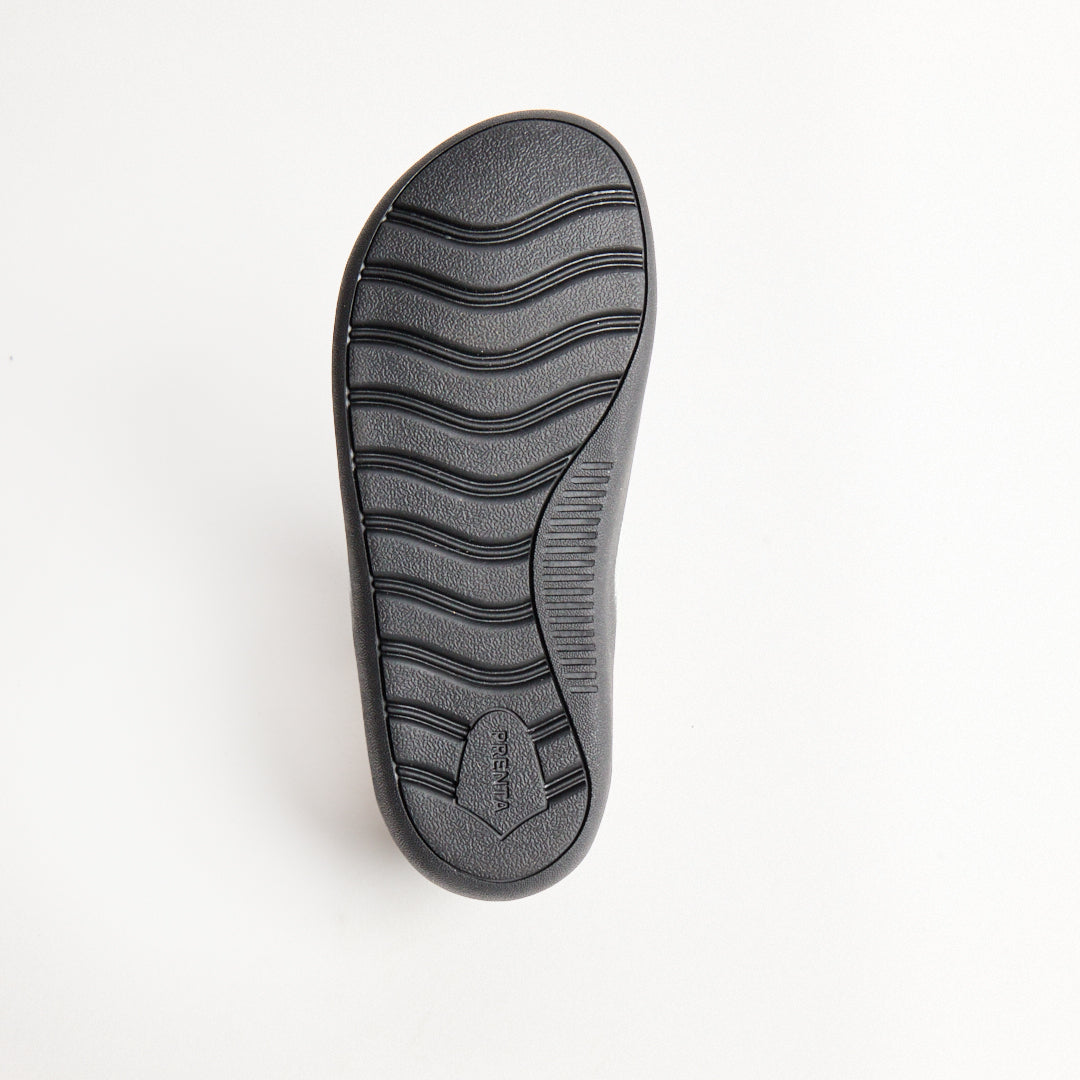
- Drop cero (planos desde el talón hasta la puntera)
- Separación de los dedos
- Prevención de lesiones
- Materiales flexibles/suaves y transpirables
El objetivo principal de estas características es evitar la compresión y la alineación forzada de los dedos, ya que este es uno de los elementos más dañinos del calzado moderno para niños.

Por qué los zapatos minimalistas son buenos para la salud y el desarrollo del pie
Los zapatos minimalistas son buenos para la salud y el desarrollo del pie principalmente porque fomentan el movimiento y la forma naturales del pie.
Los zapatos minimalistas favorecen el desarrollo saludable del pie al permitir que los pies de los niños se muevan, flexionen y funcionen de la forma más natural posible. Con suelas finas, ligeras y flexibles y una puntera ancha, fomentan una fuerza muscular, un equilibrio y una coordinación adecuados, al tiempo que permiten que los dedos de los pies se extiendan libremente para una mayor estabilidad.
Este movimiento natural ayuda a desarrollar los arcos, mejora la postura y la marcha al promover una zancada más natural, reduciendo los golpes fuertes con el talón y fortaleciendo los músculos del pie.
Al evitar el calzado restrictivo o excesivamente rígido, los zapatos minimalistas promueven un movimiento seguro y un crecimiento saludable del pie durante los años de desarrollo más importantes de un niño.
La línea descalza de Prenta: Nuestro proceso
Hemos dedicado tiempo a desarrollar y ajustar herramientas específicas para pies descalzos, tanto para bebés como para niños. Las pruebas con usuarios y los comentarios de padres e hijos reales nos guían a través del proceso de desarrollo para asegurar que estamos fabricando zapatos que satisfacen las necesidades tanto de los padres como de los hijos.
Cada elemento de la colección descalza está diseñado para ayudar al movimiento natural y al desarrollo del pie. Las suaves y flexibles pieles de proveedores premium permiten utilizar un refuerzo mínimo en la construcción de los zapatos.
Los colores se seleccionan para ser versátiles, permitiendo múltiples opciones de atuendo.
Nuestra gama de calzado minimalista infantil
En Prenta Shoes, ofrecemos una gama de colecciones de calzado minimalista para apoyar nuestra misión de ayudar a los niños a desarrollarse de forma natural y cómoda, sin importar el propósito o la ocasión.
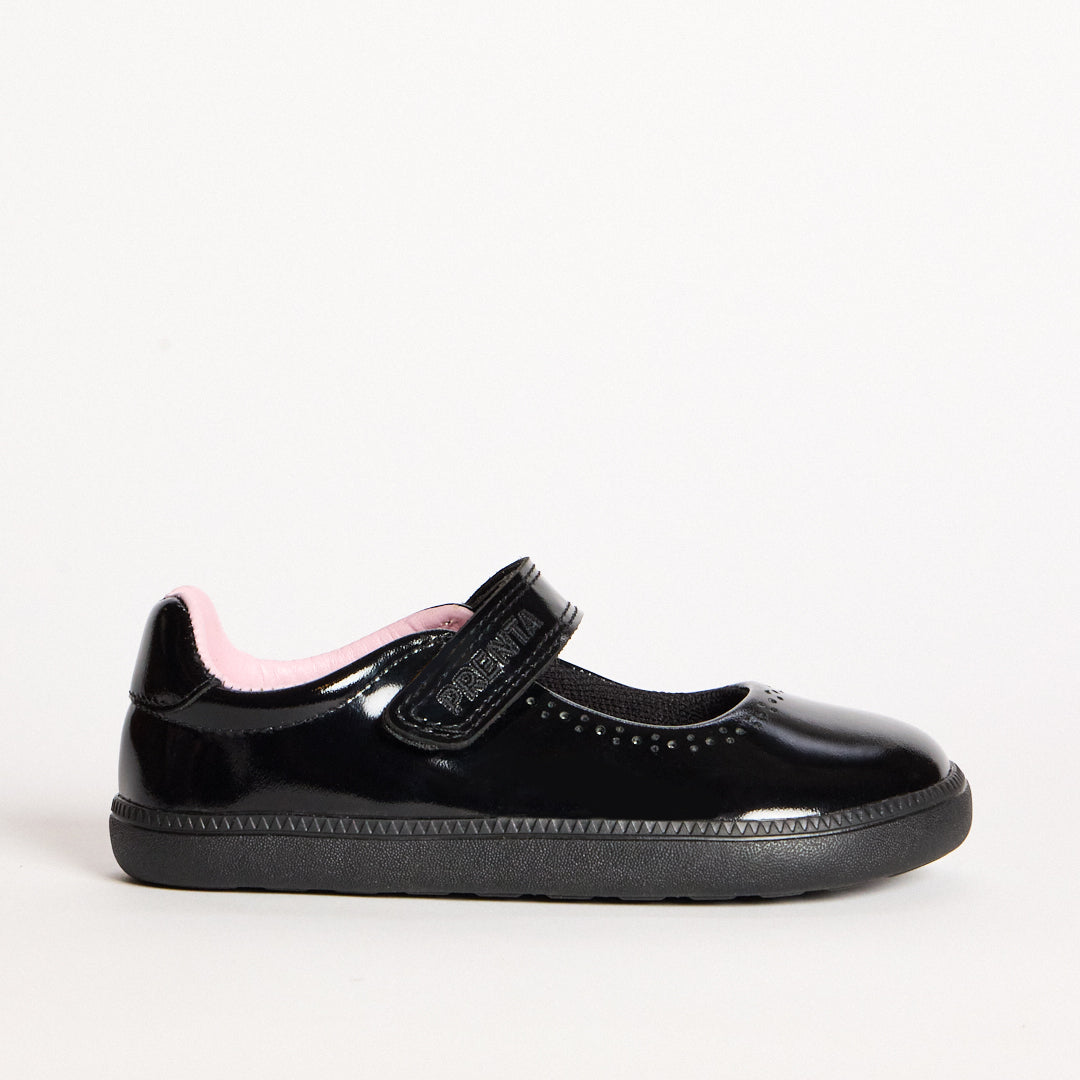
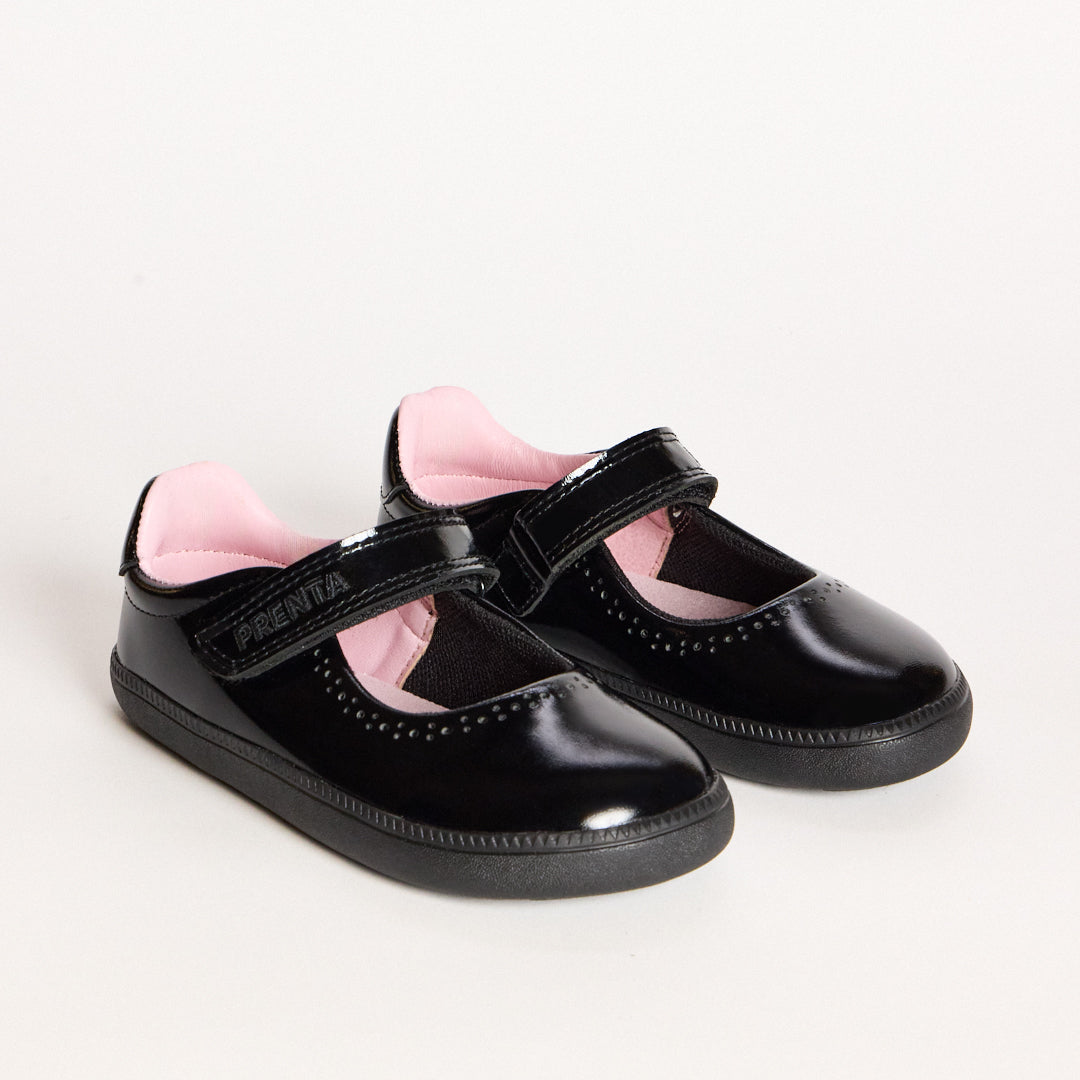
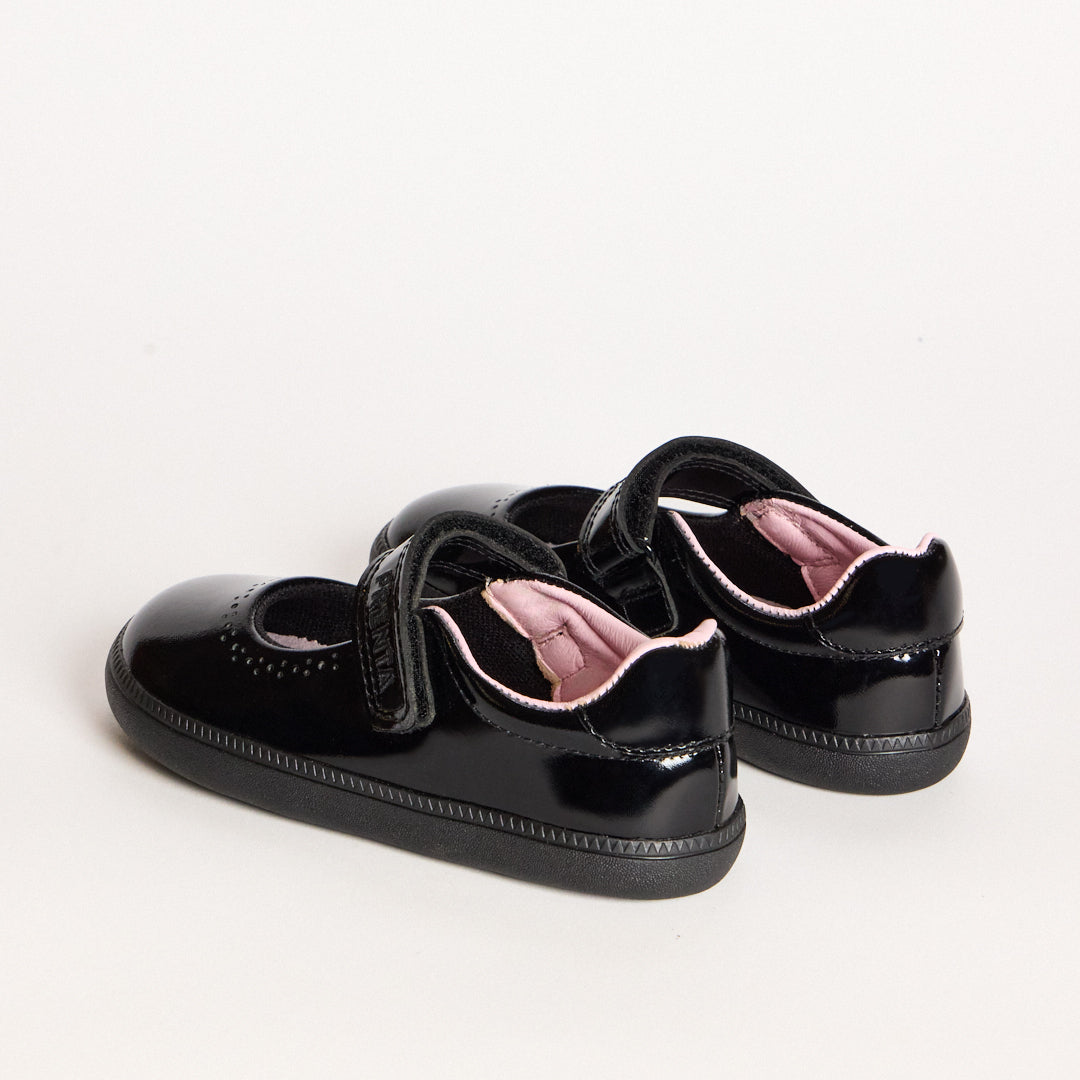
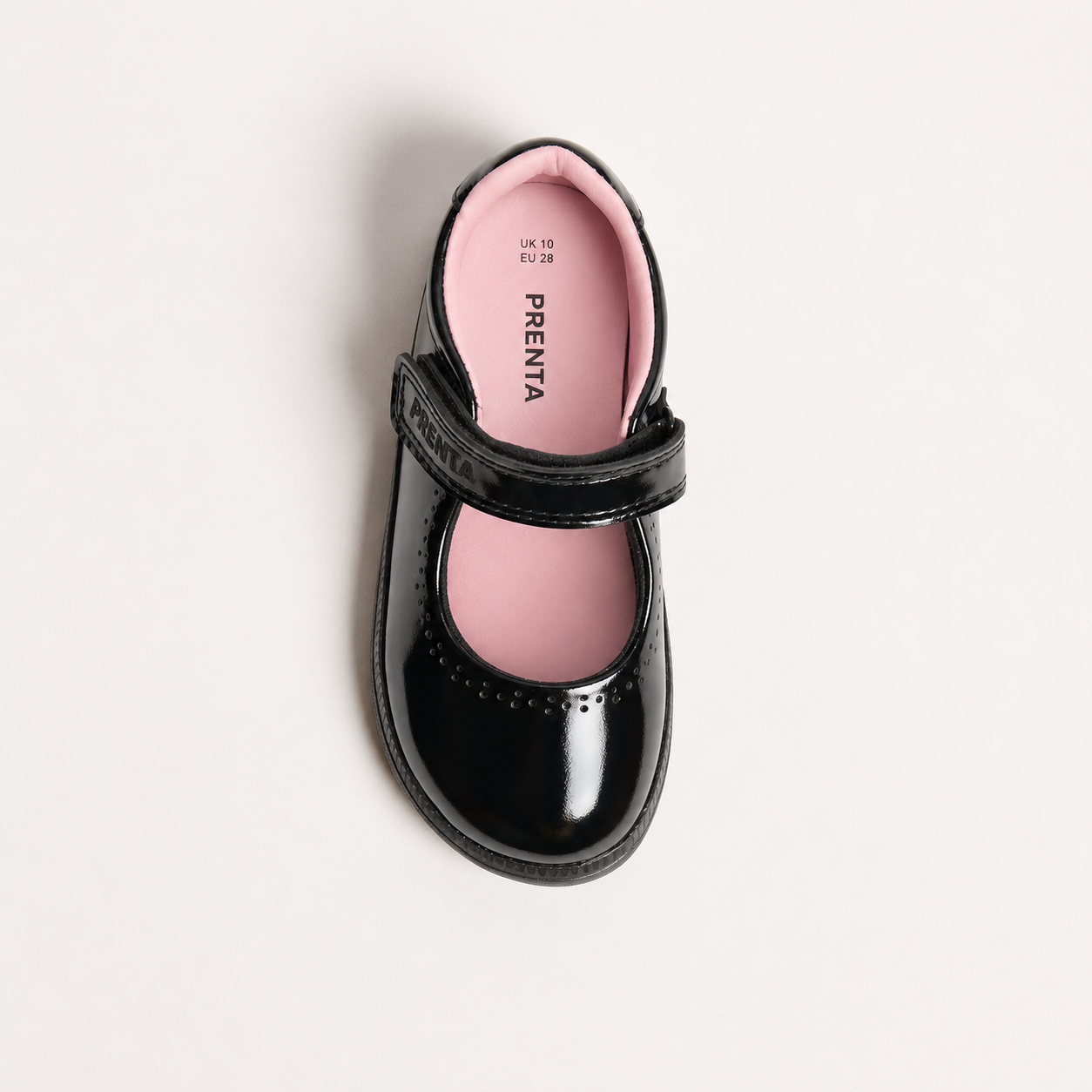
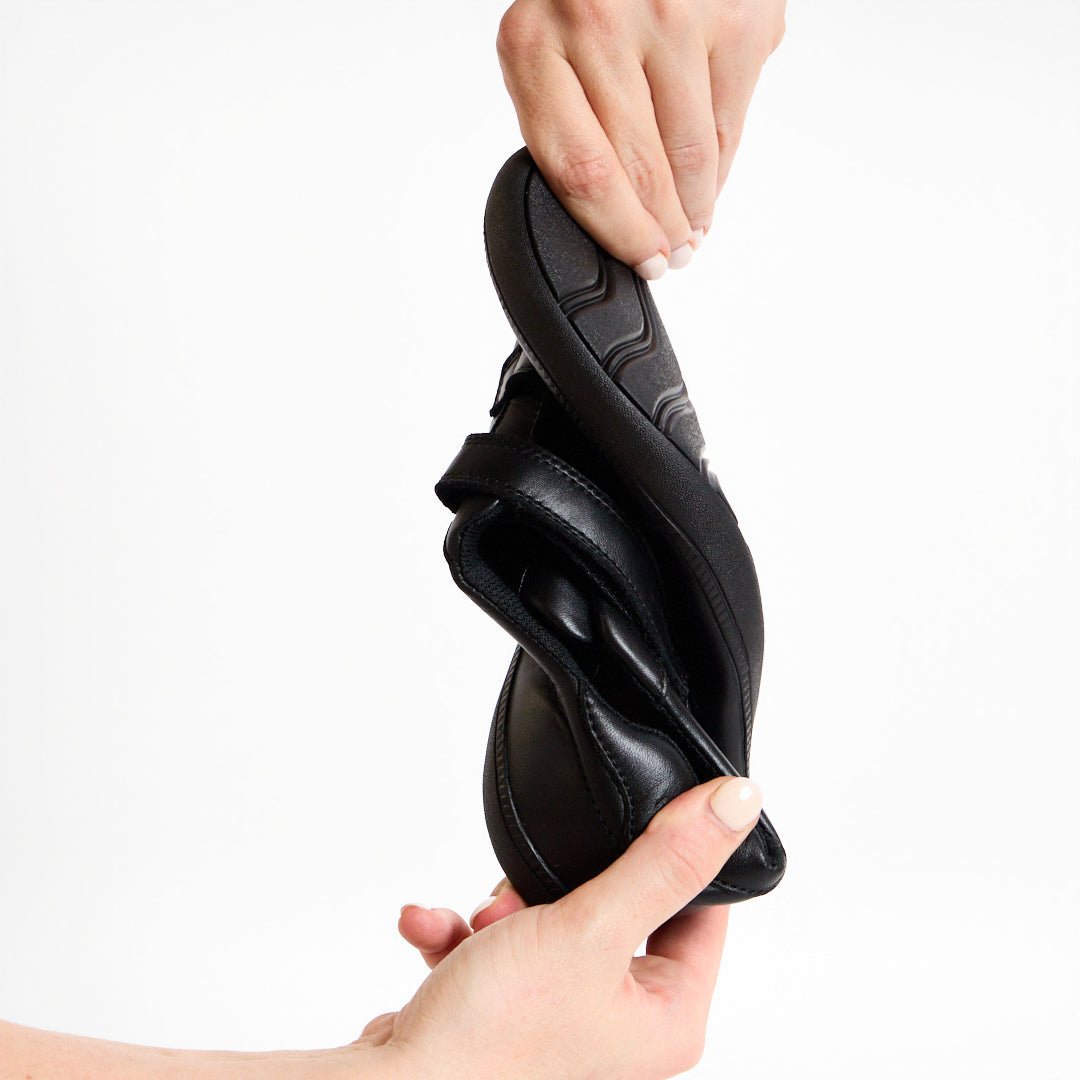
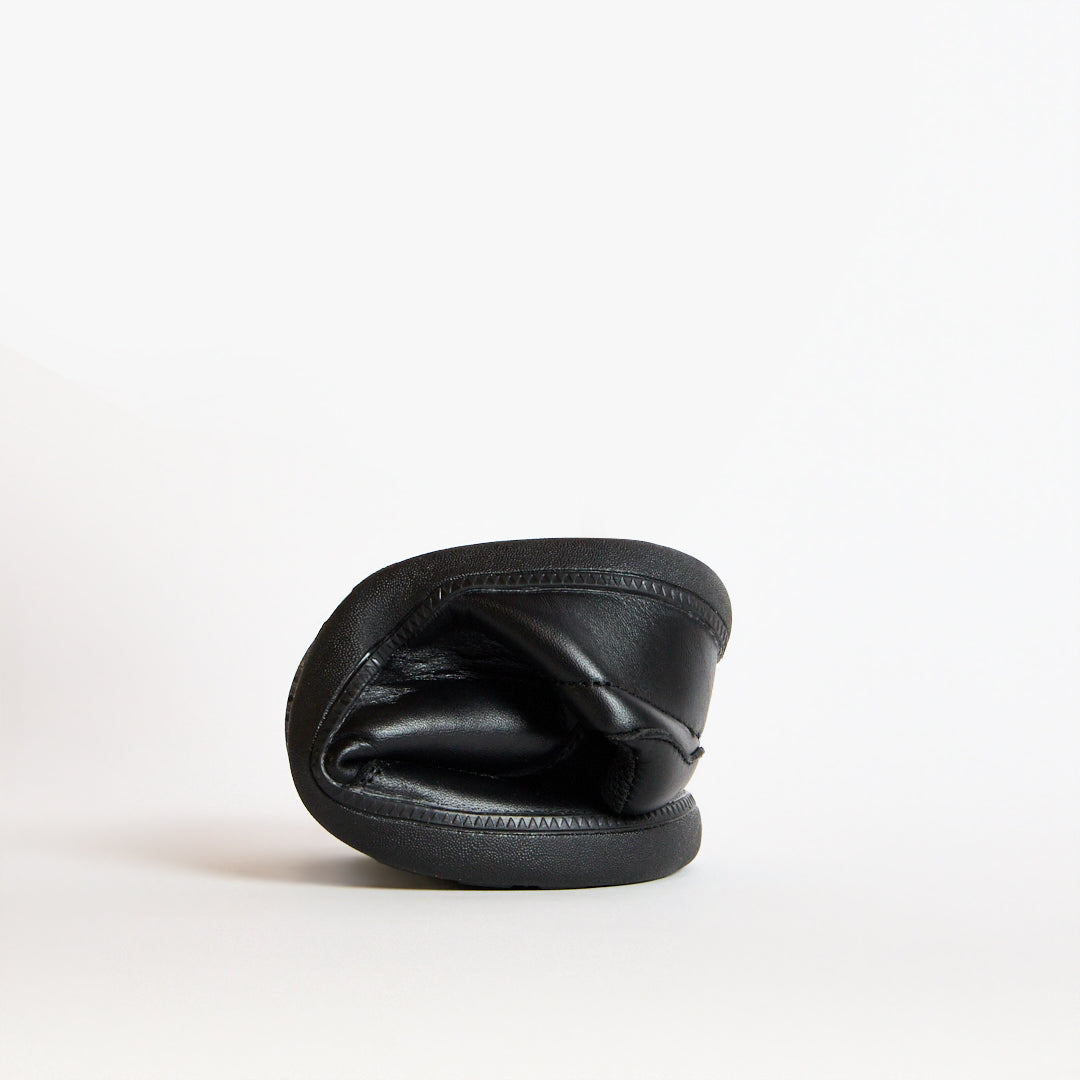
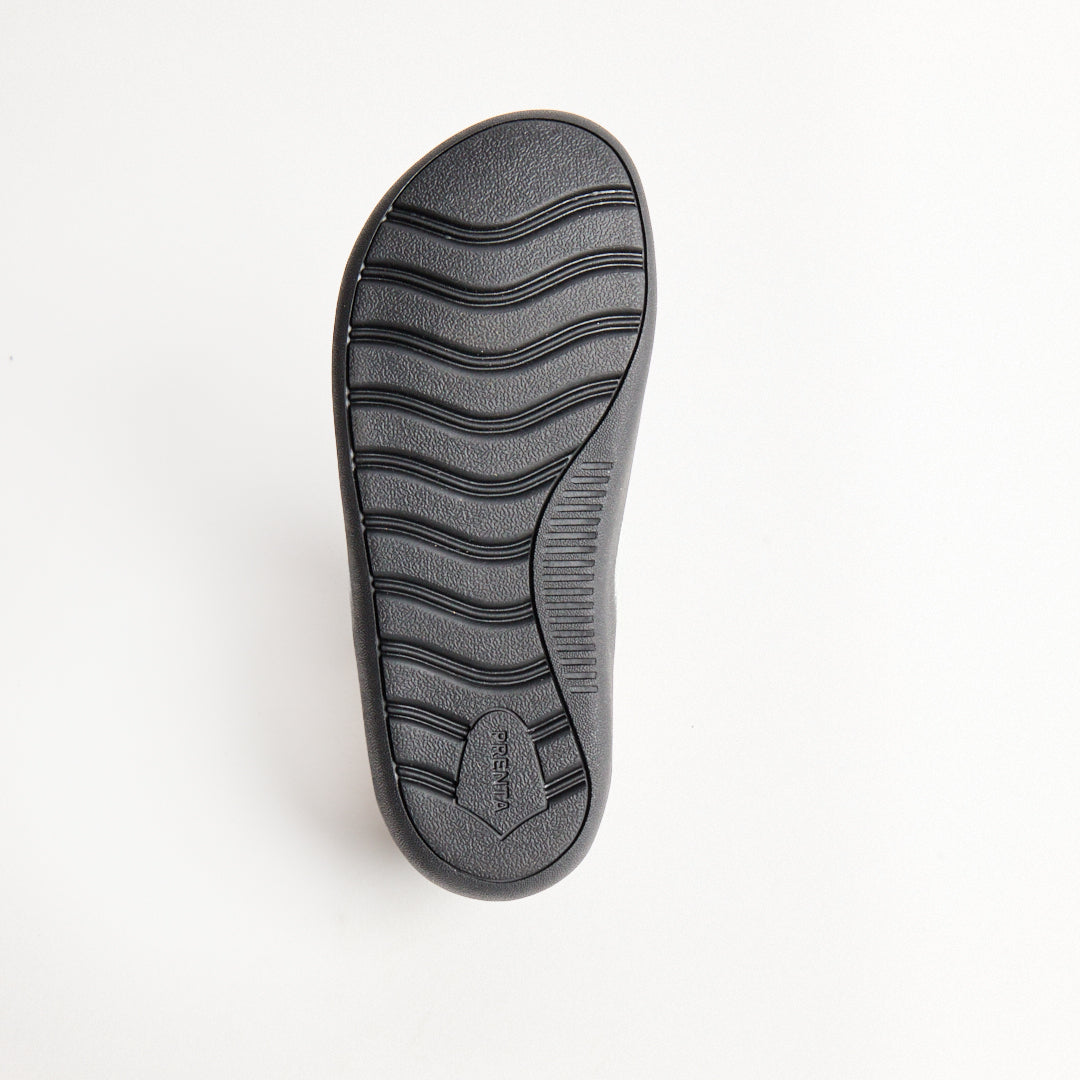

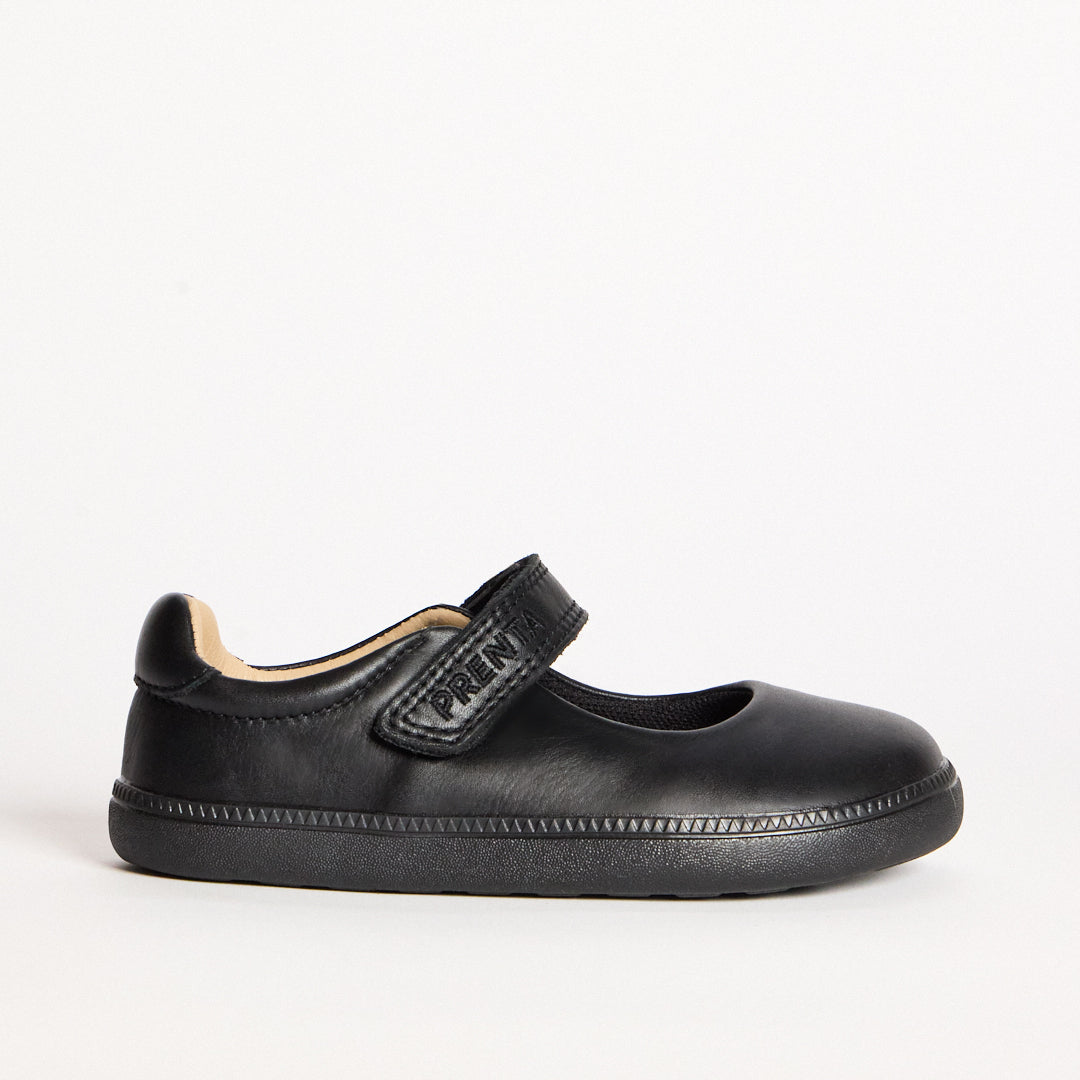
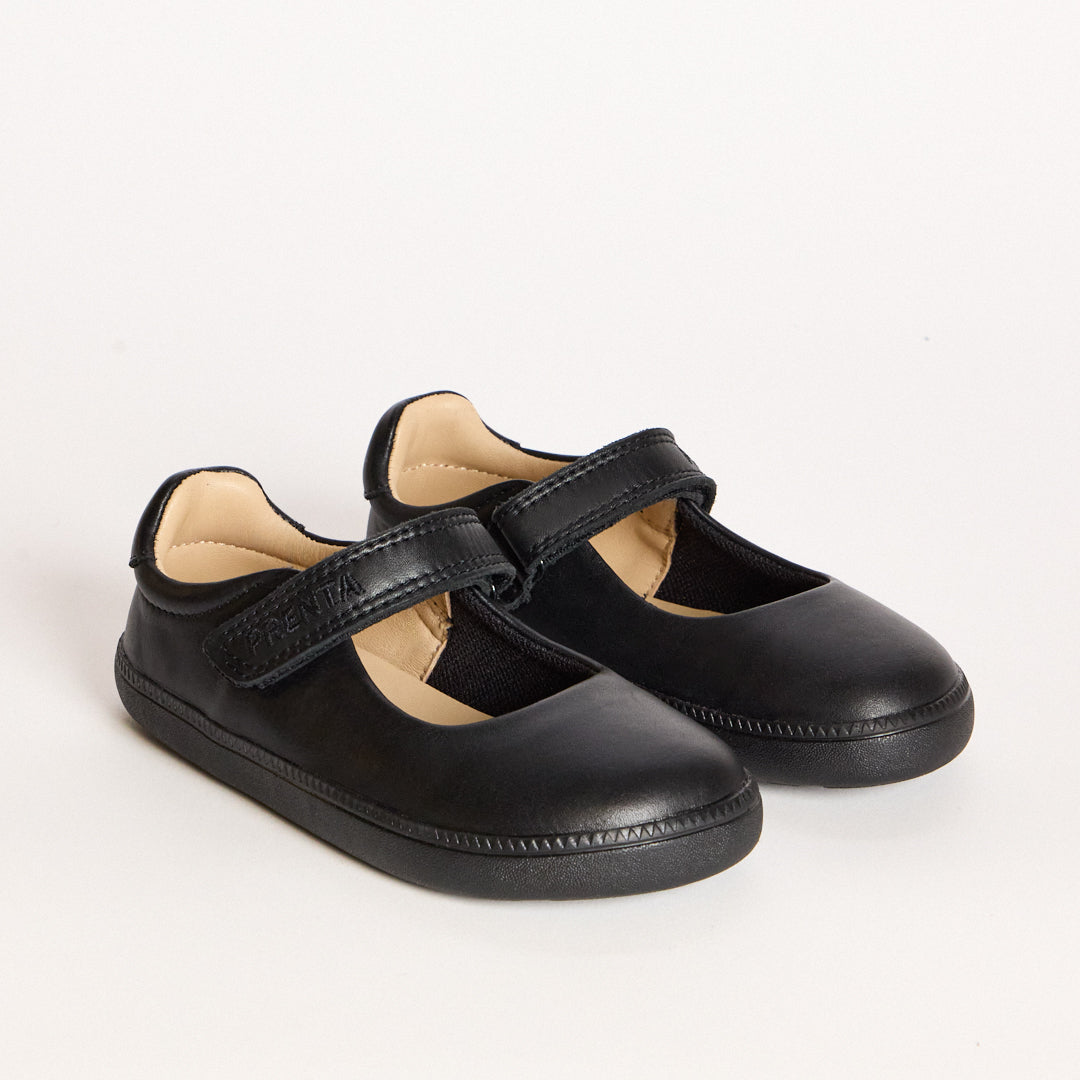
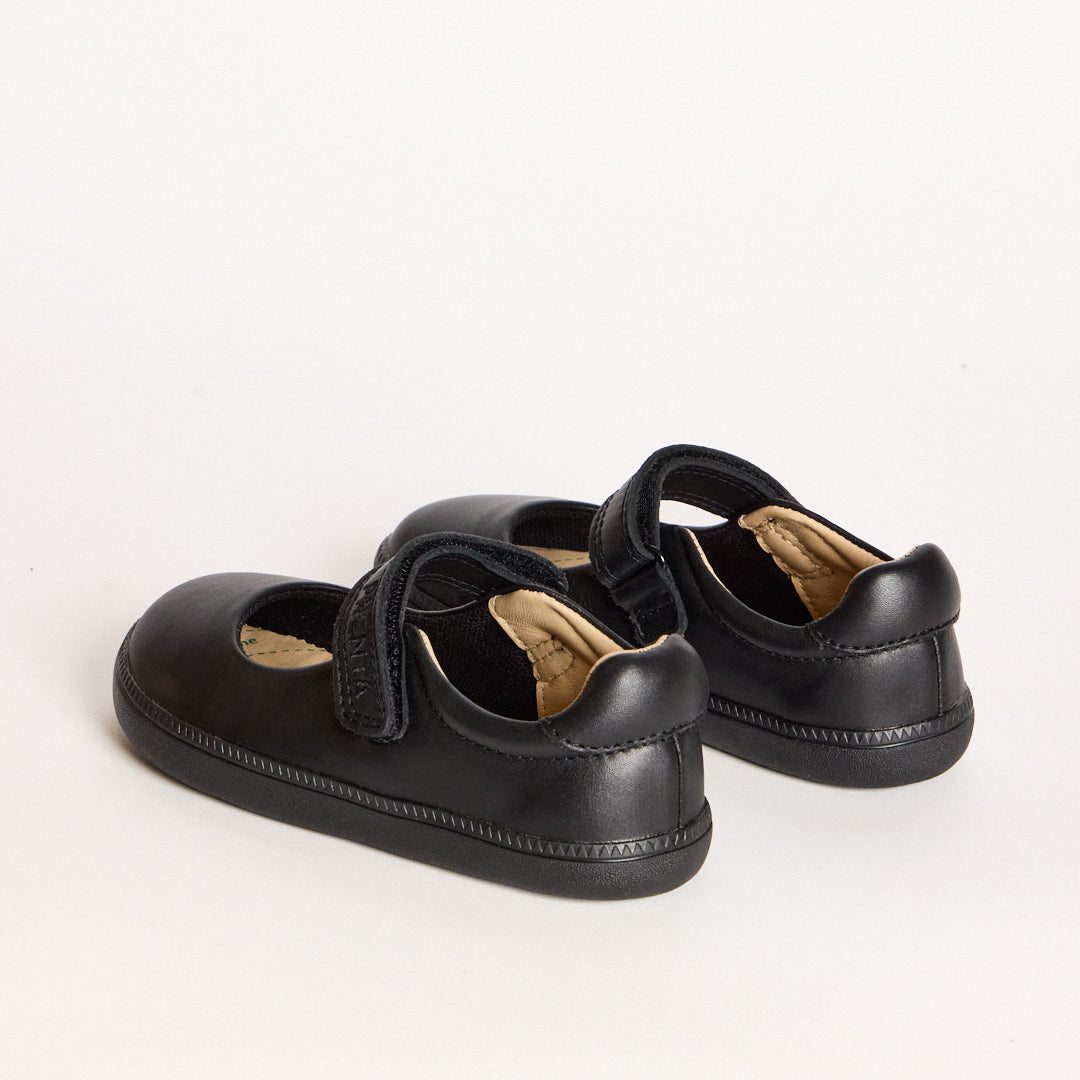

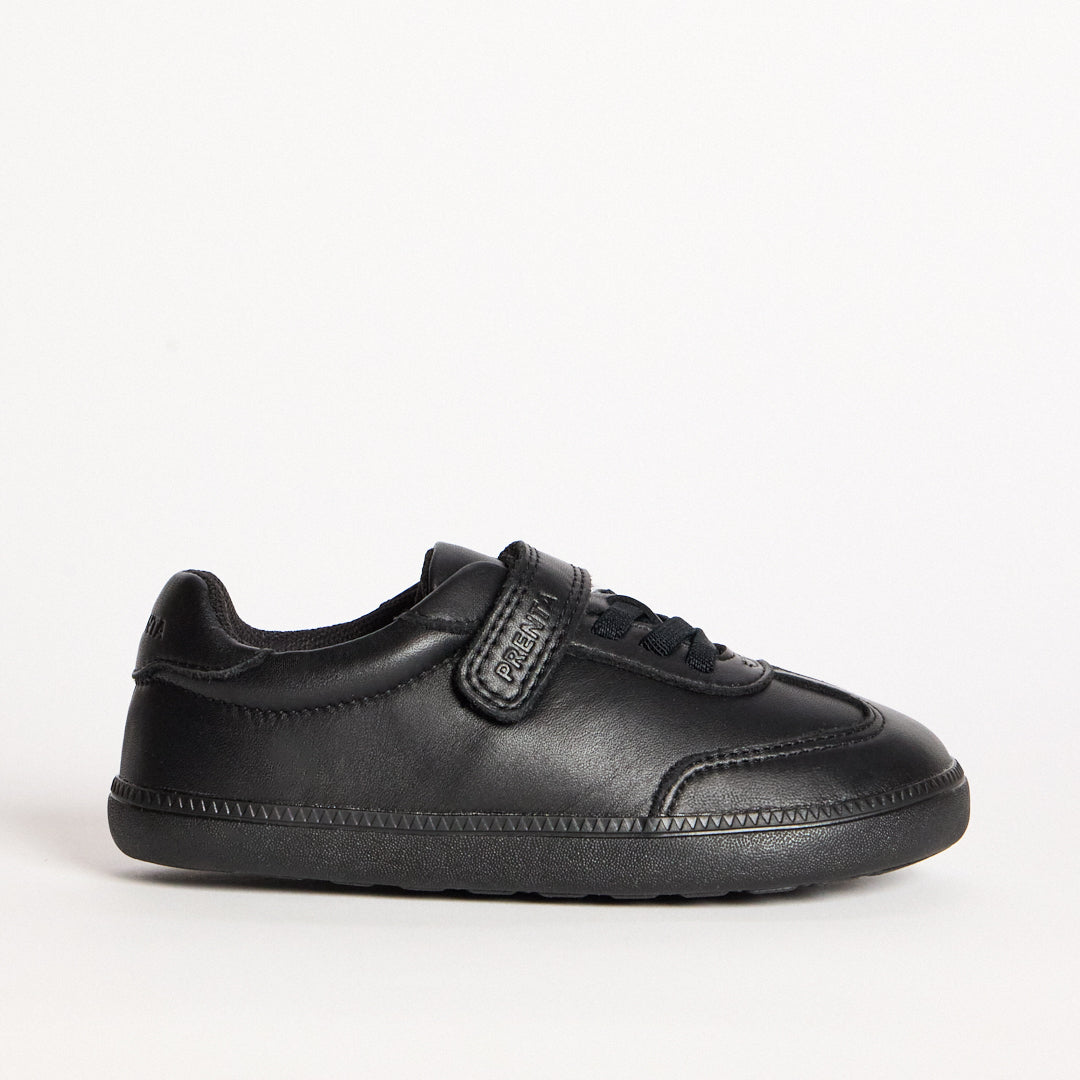
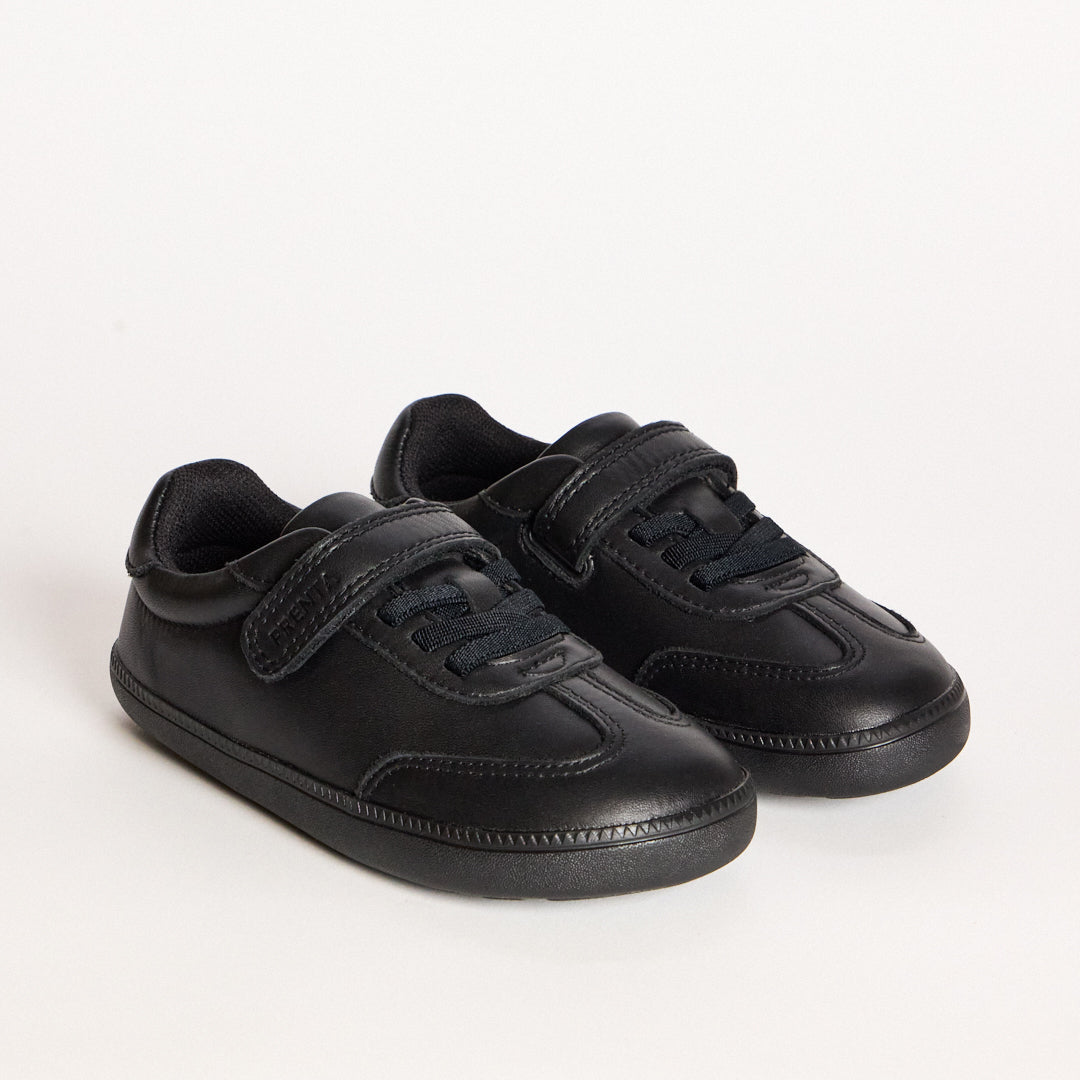
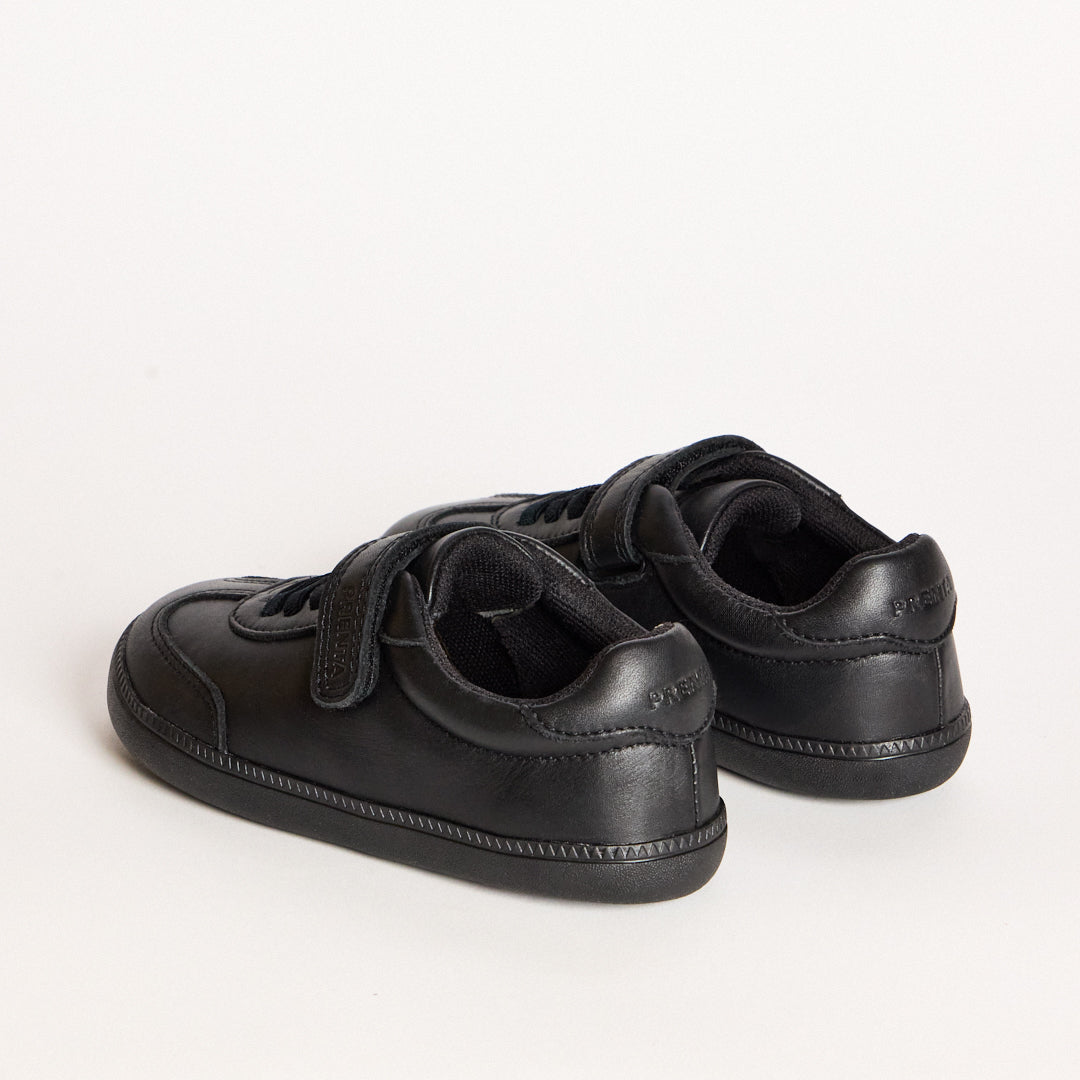
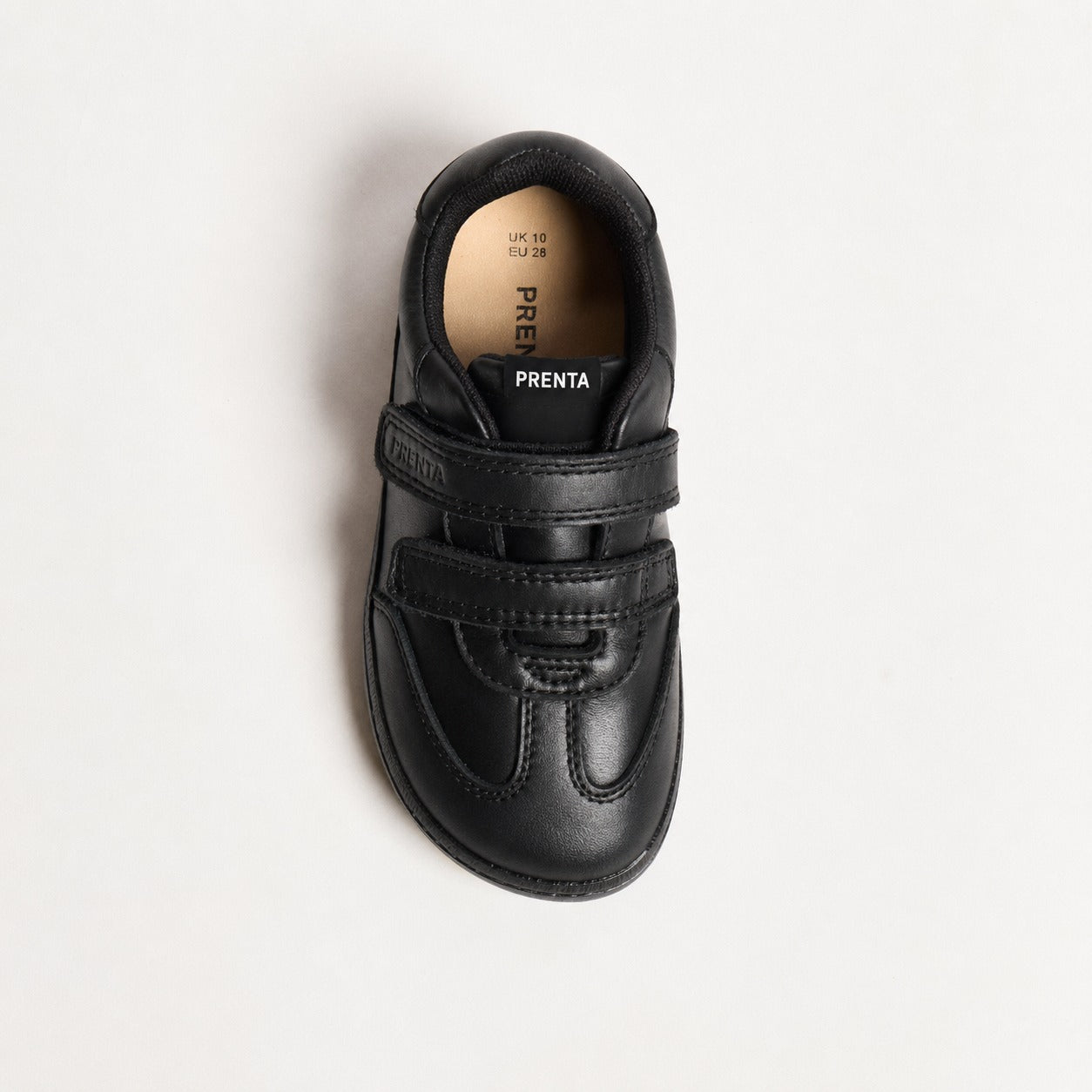
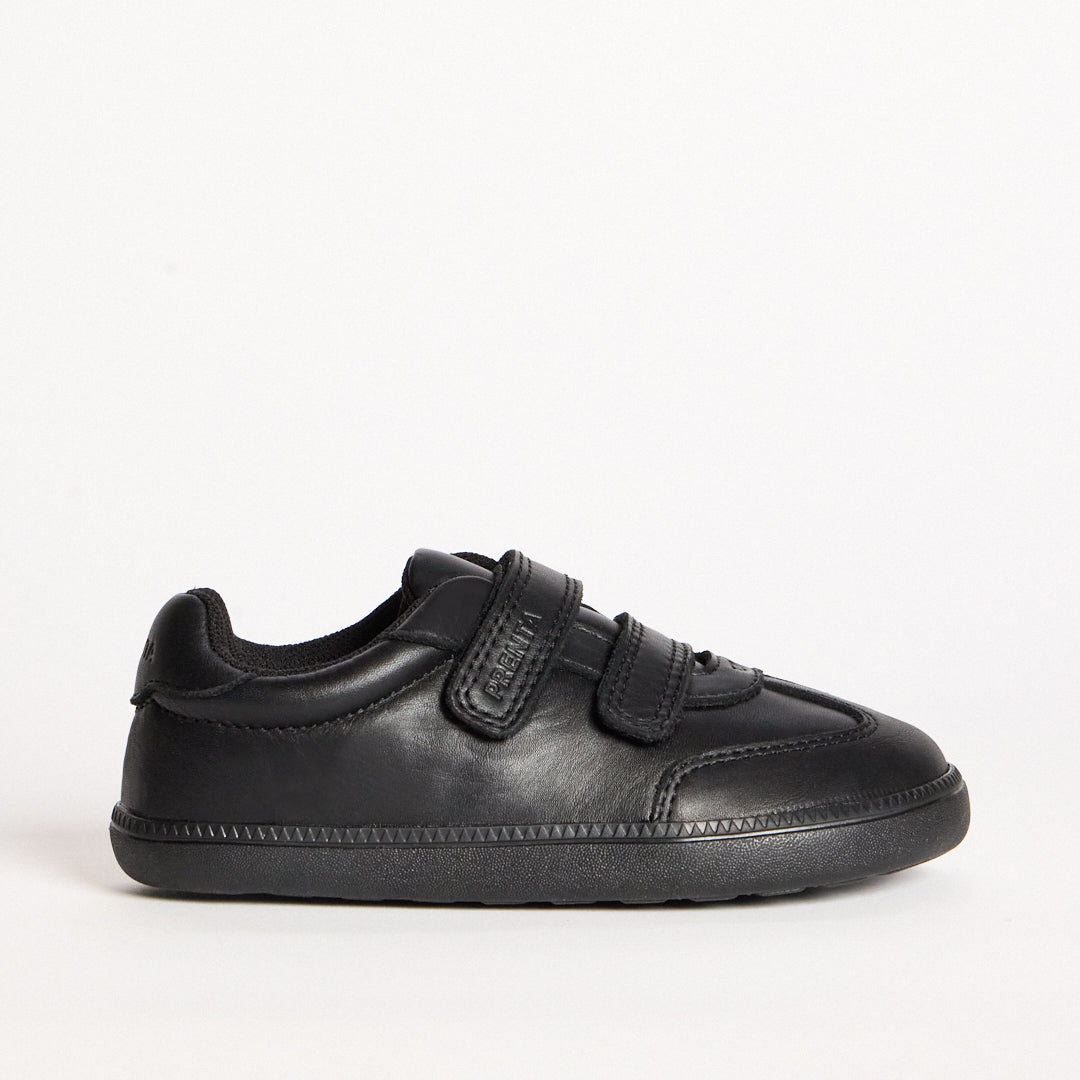
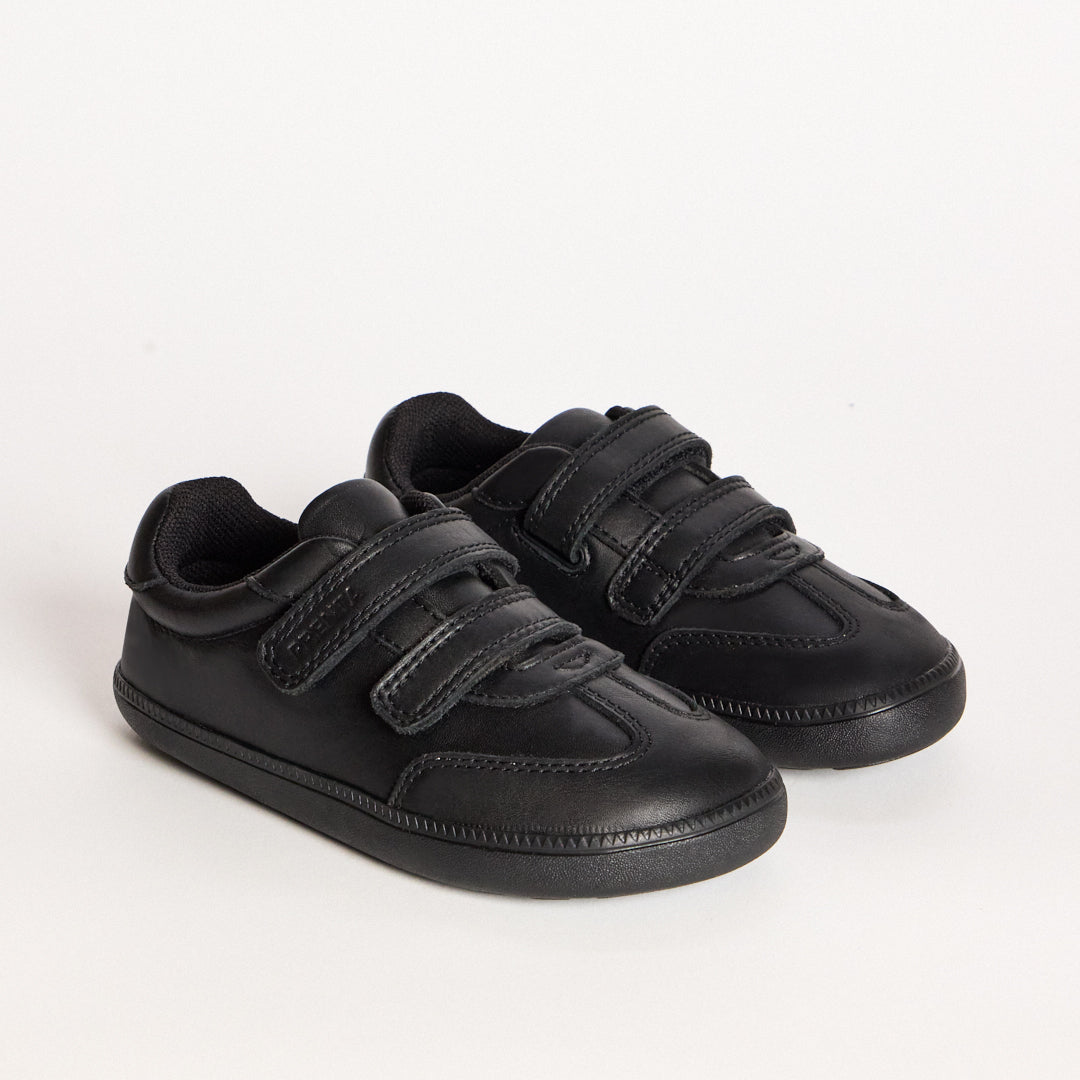
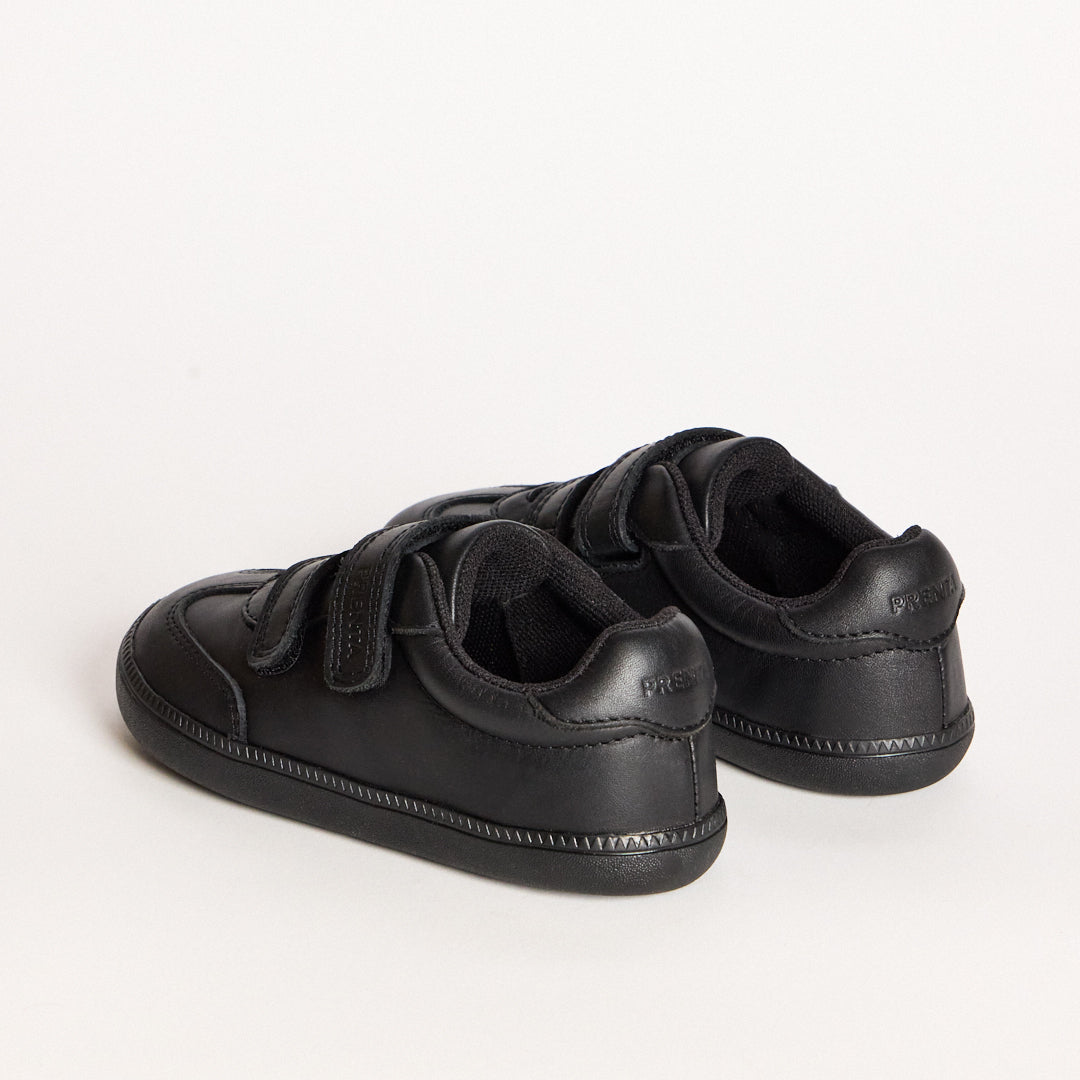
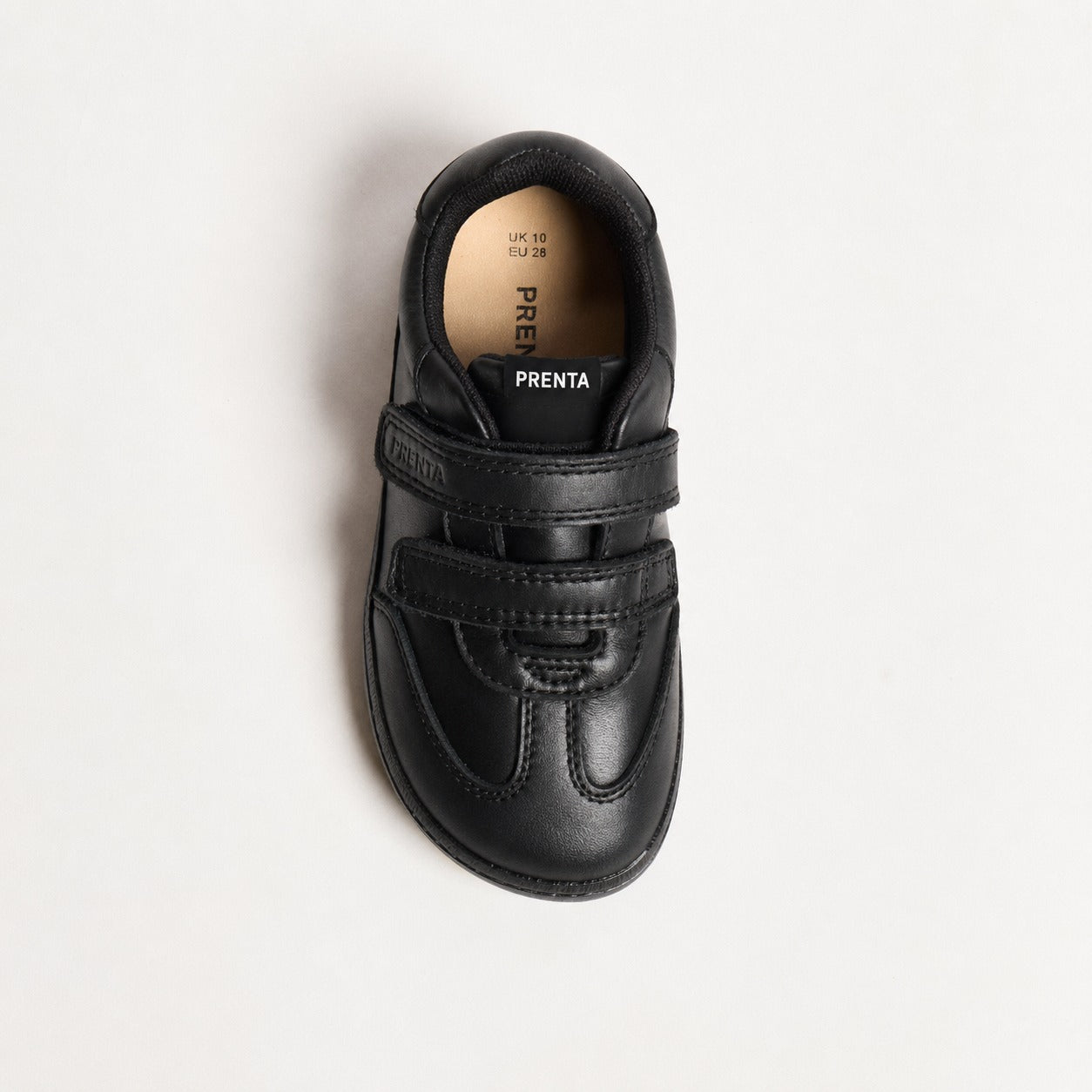
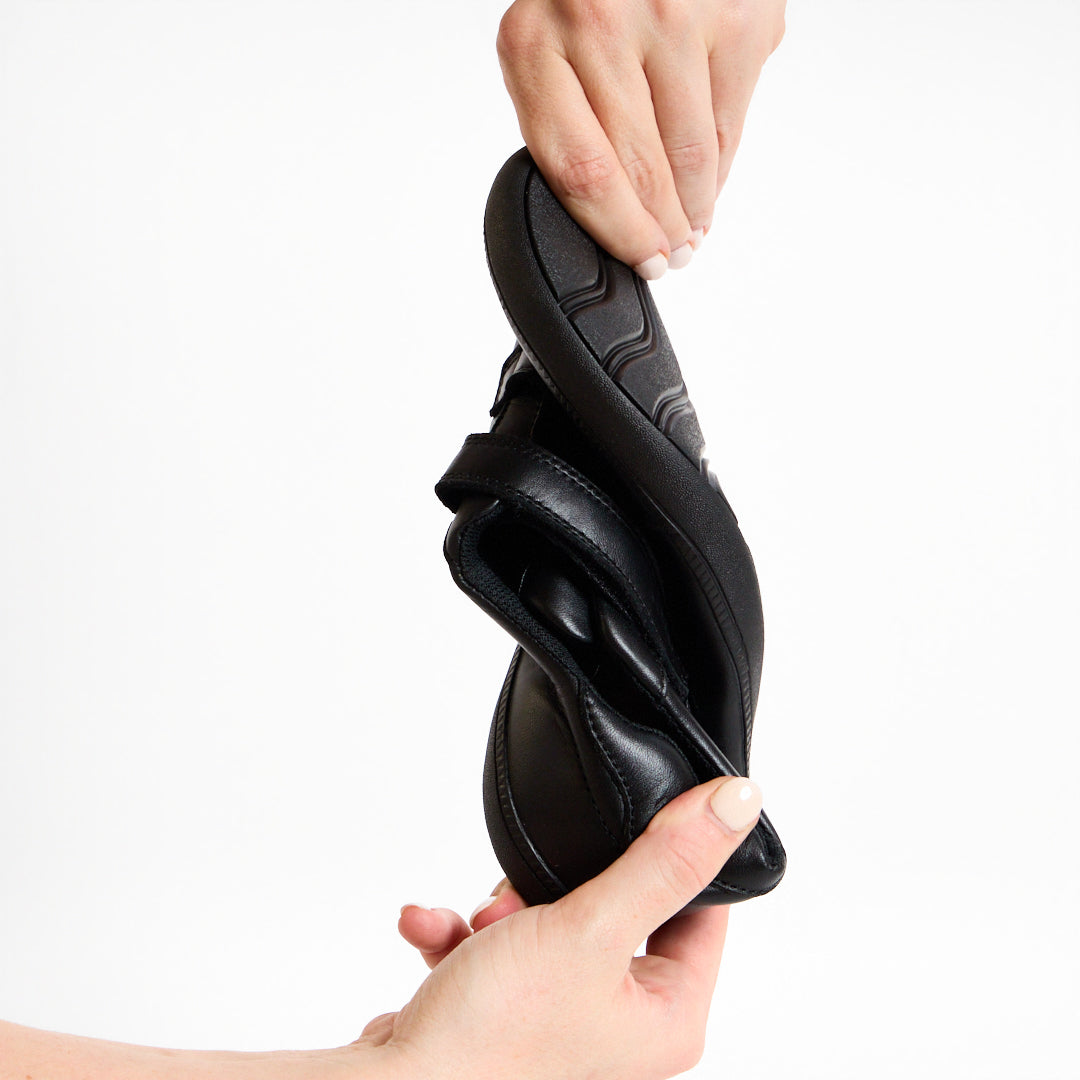
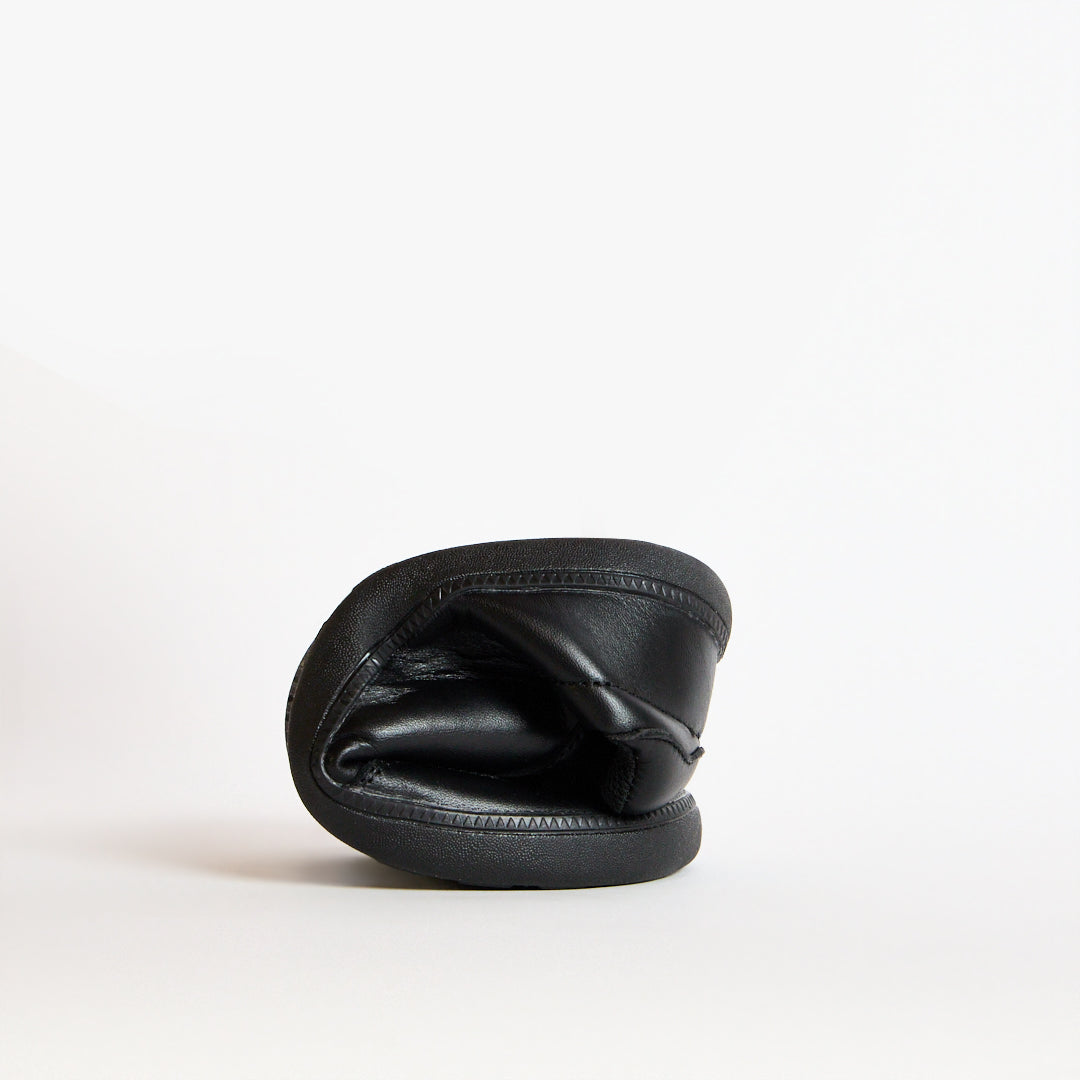
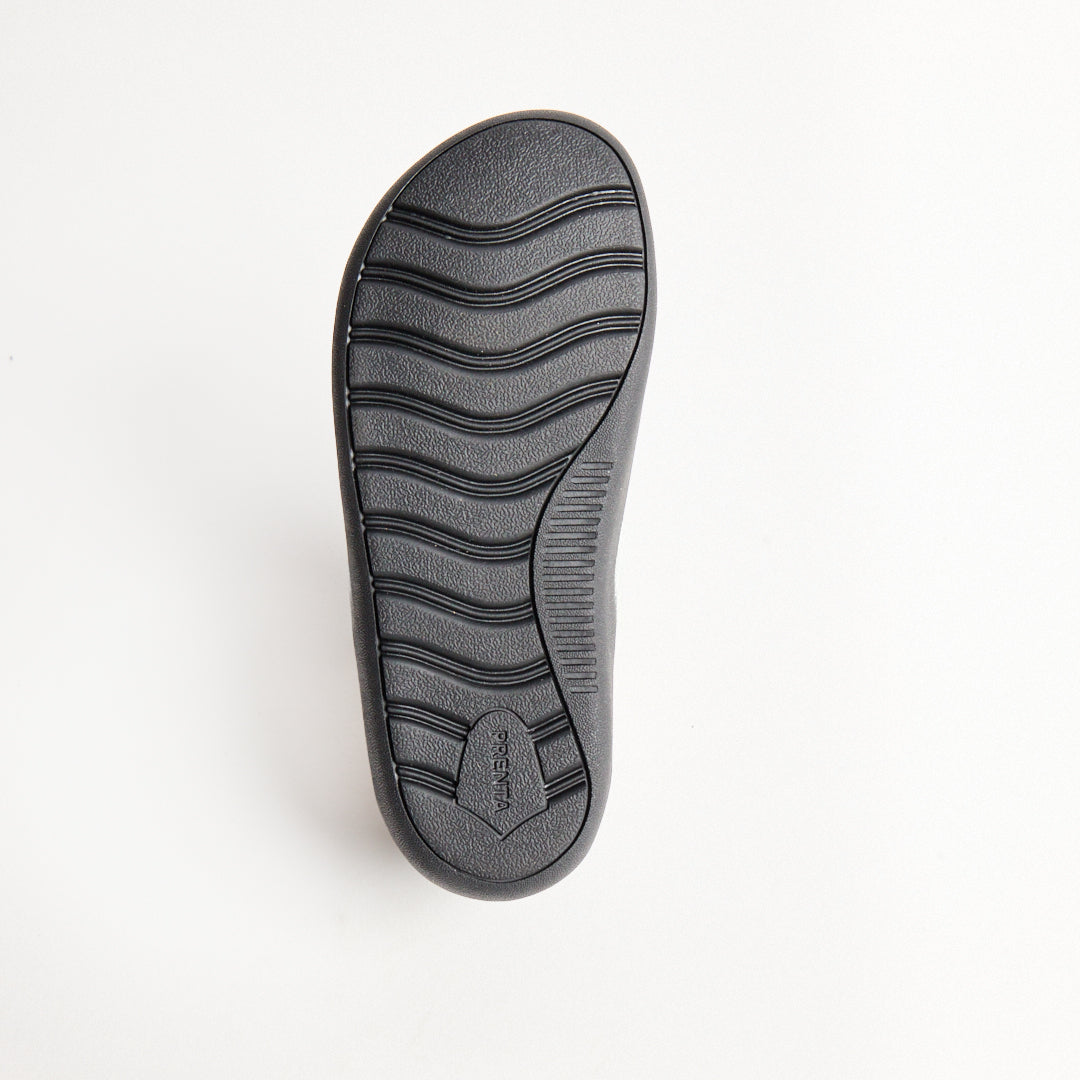

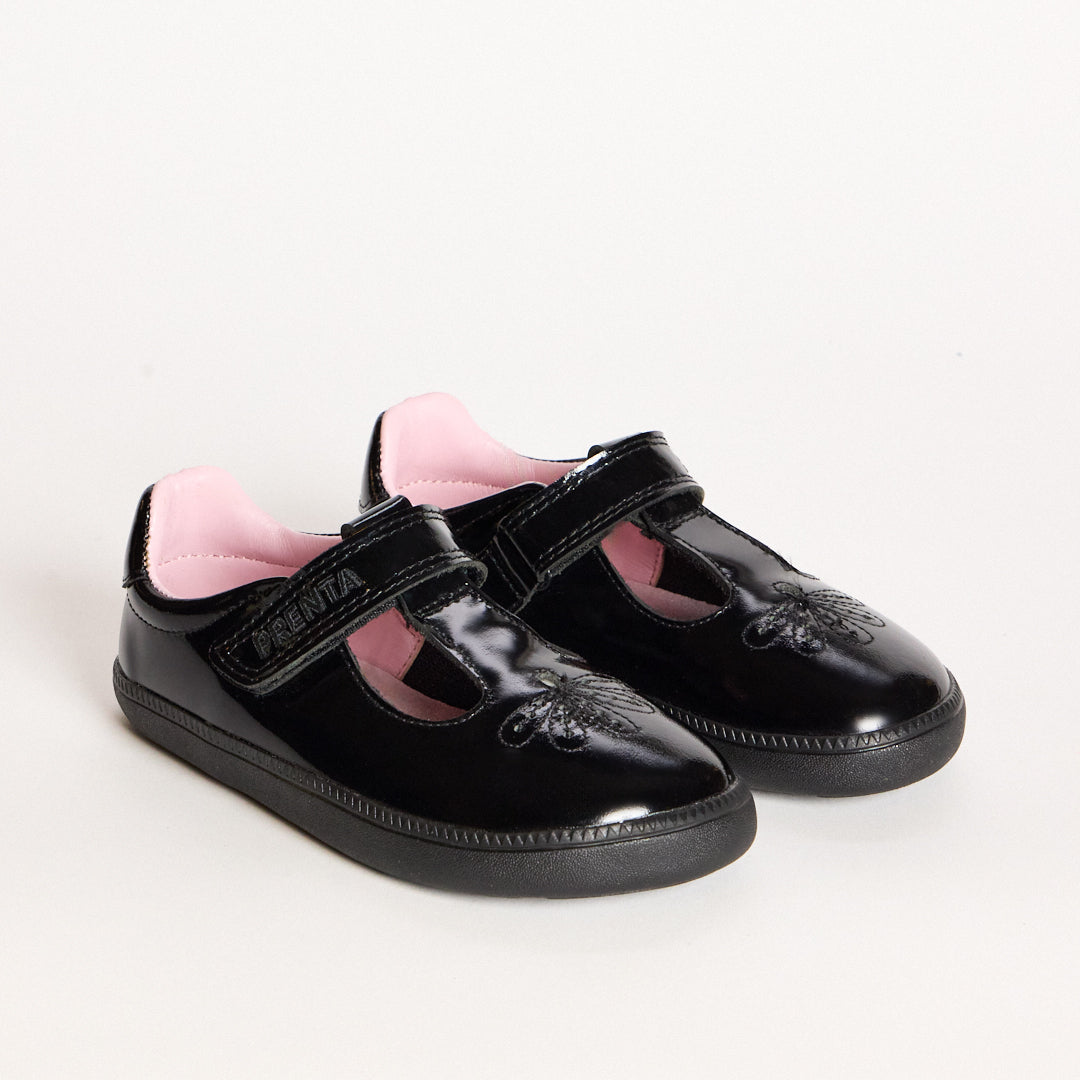
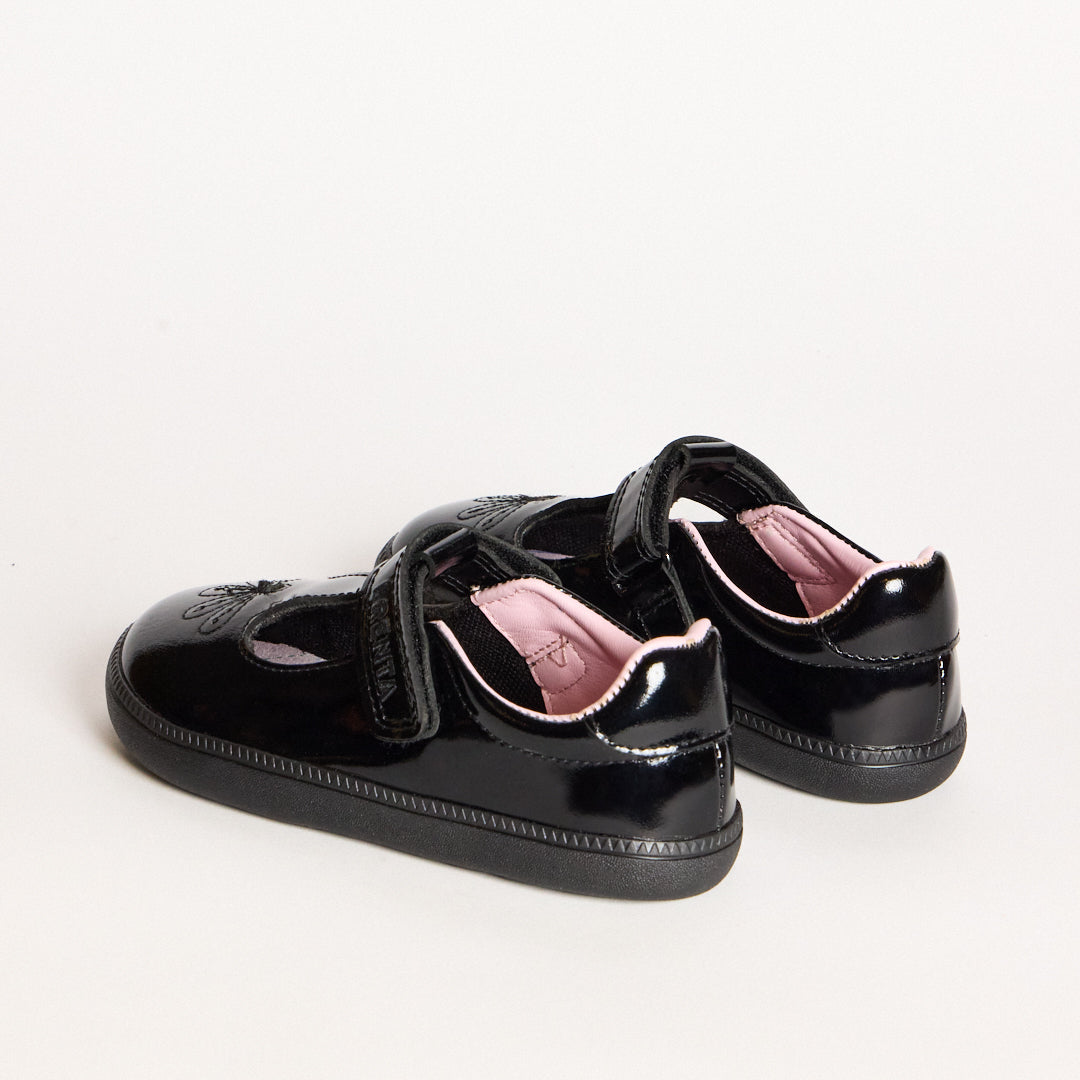
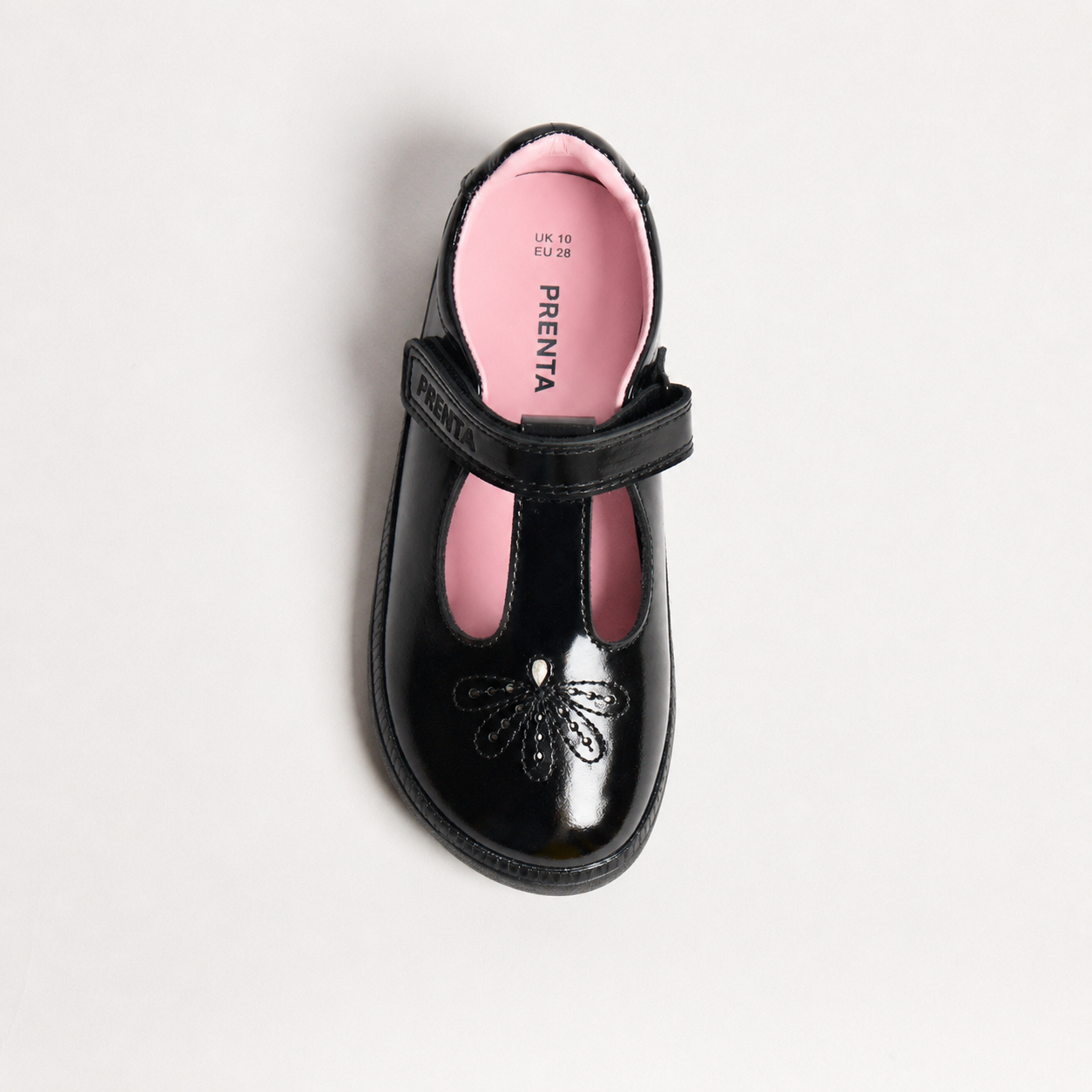
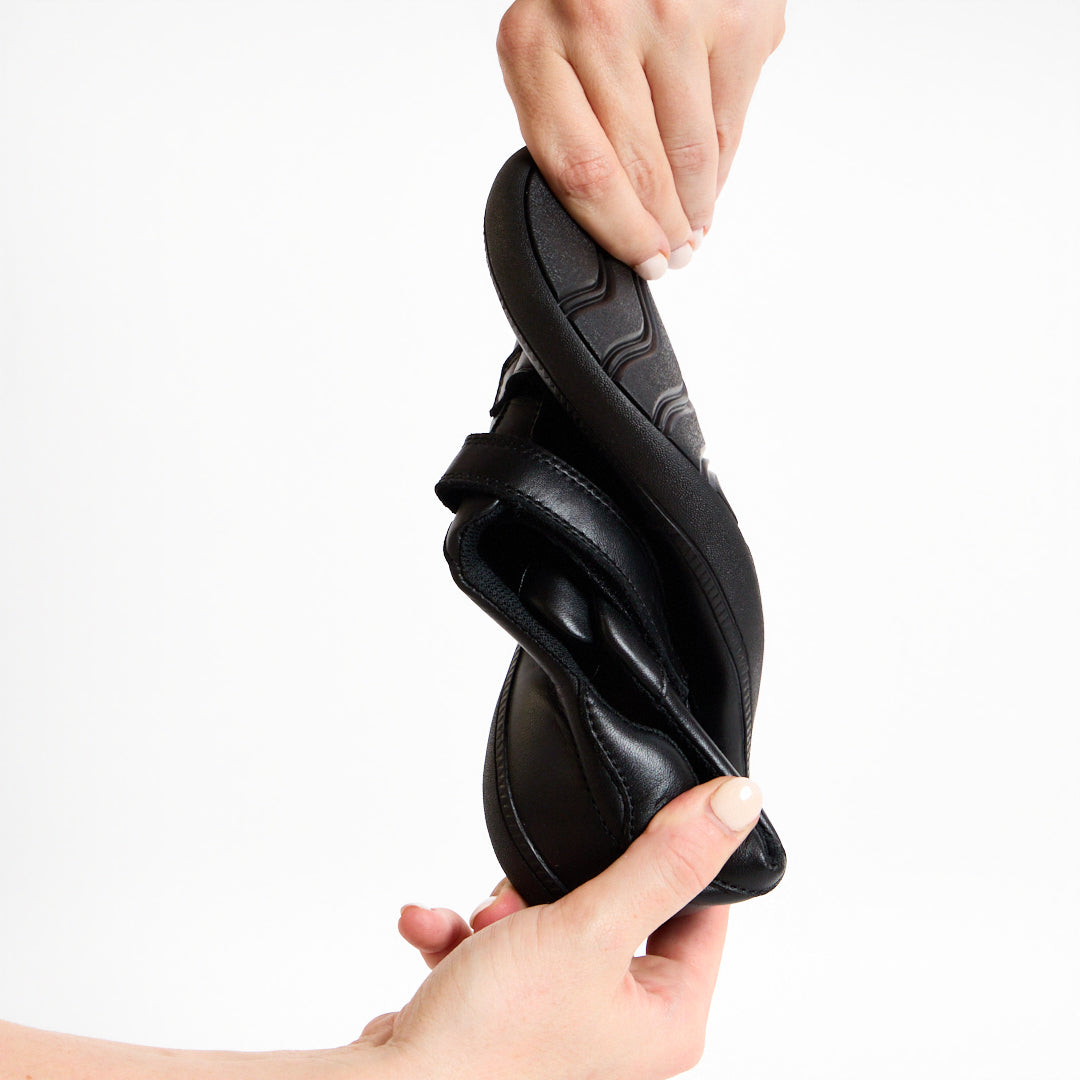
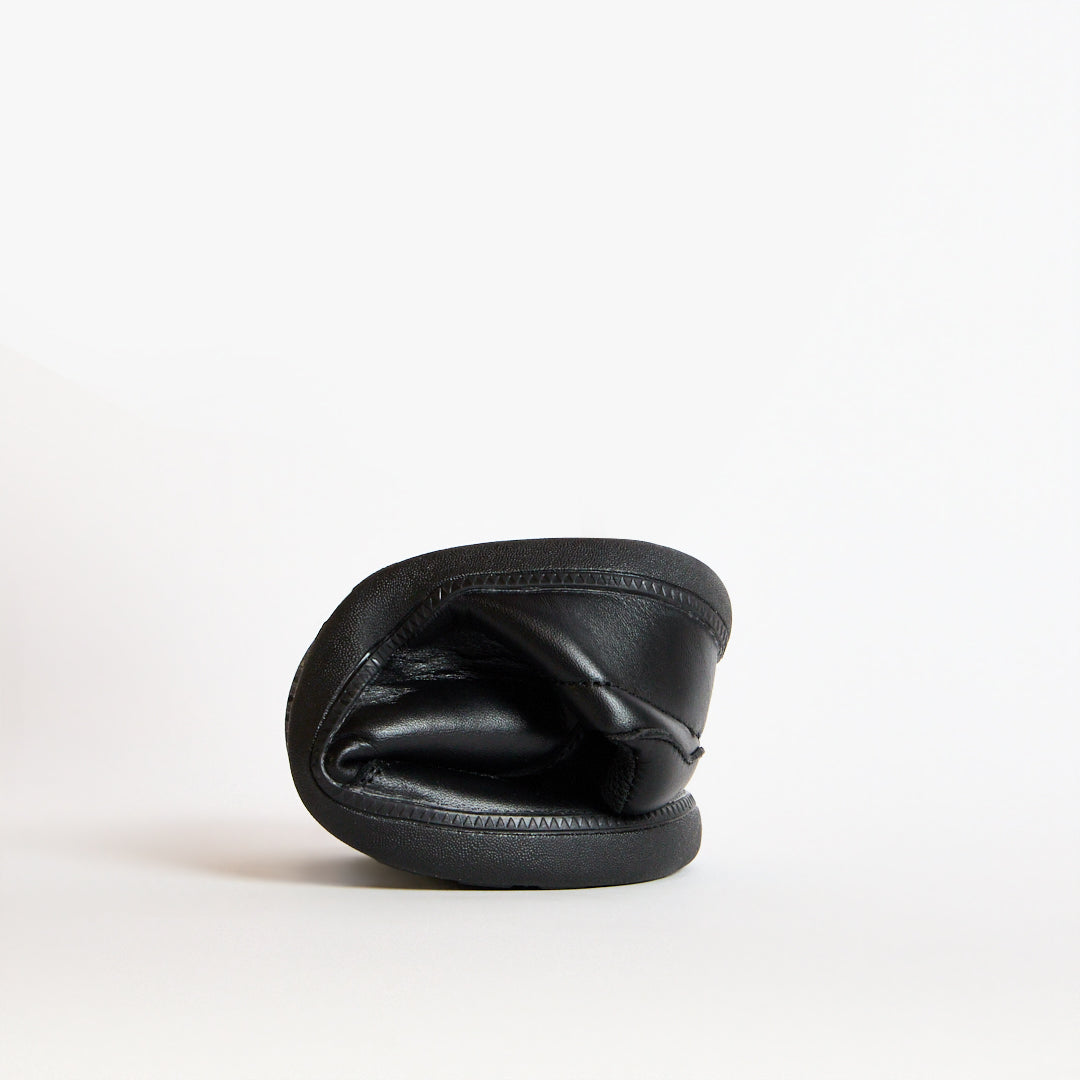
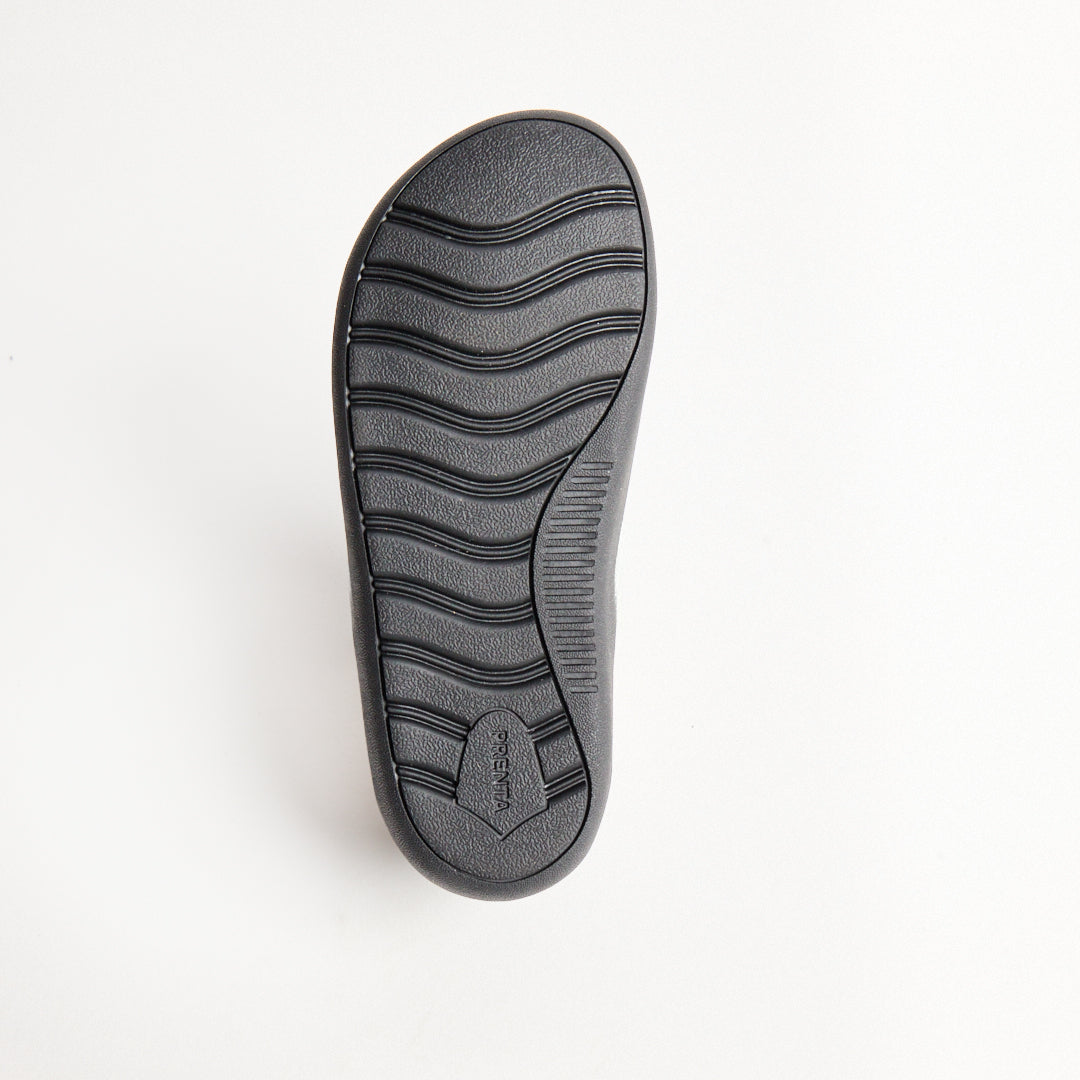
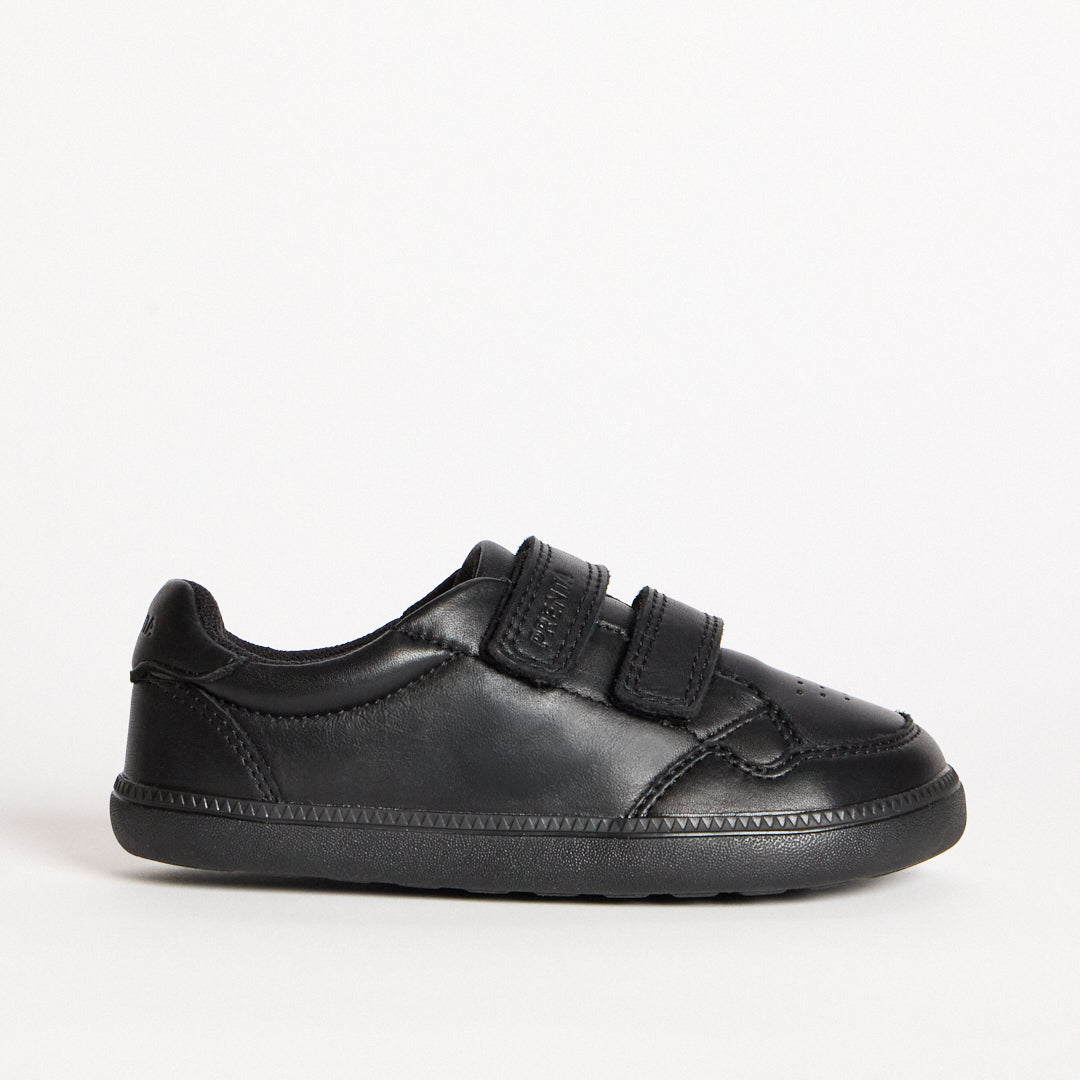
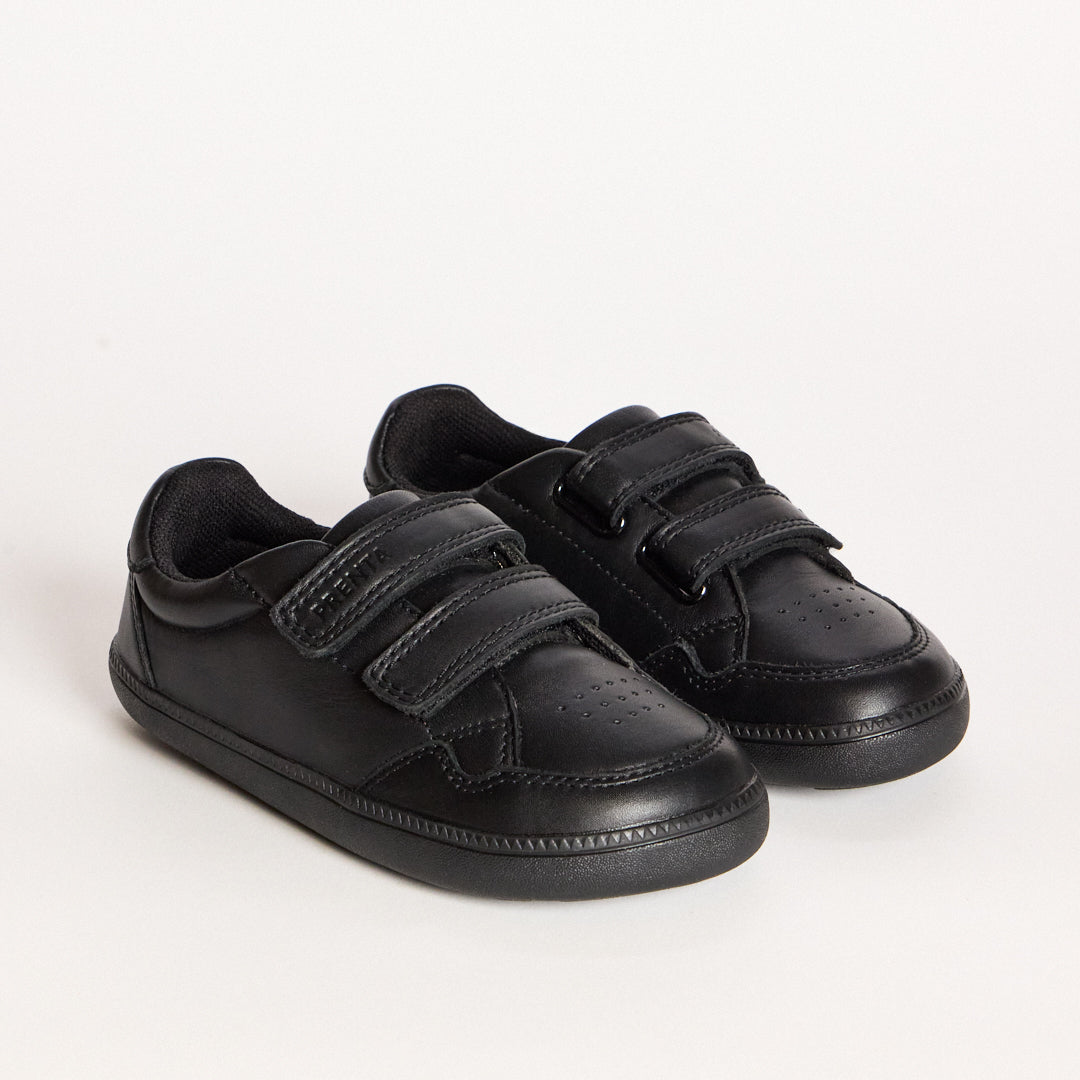
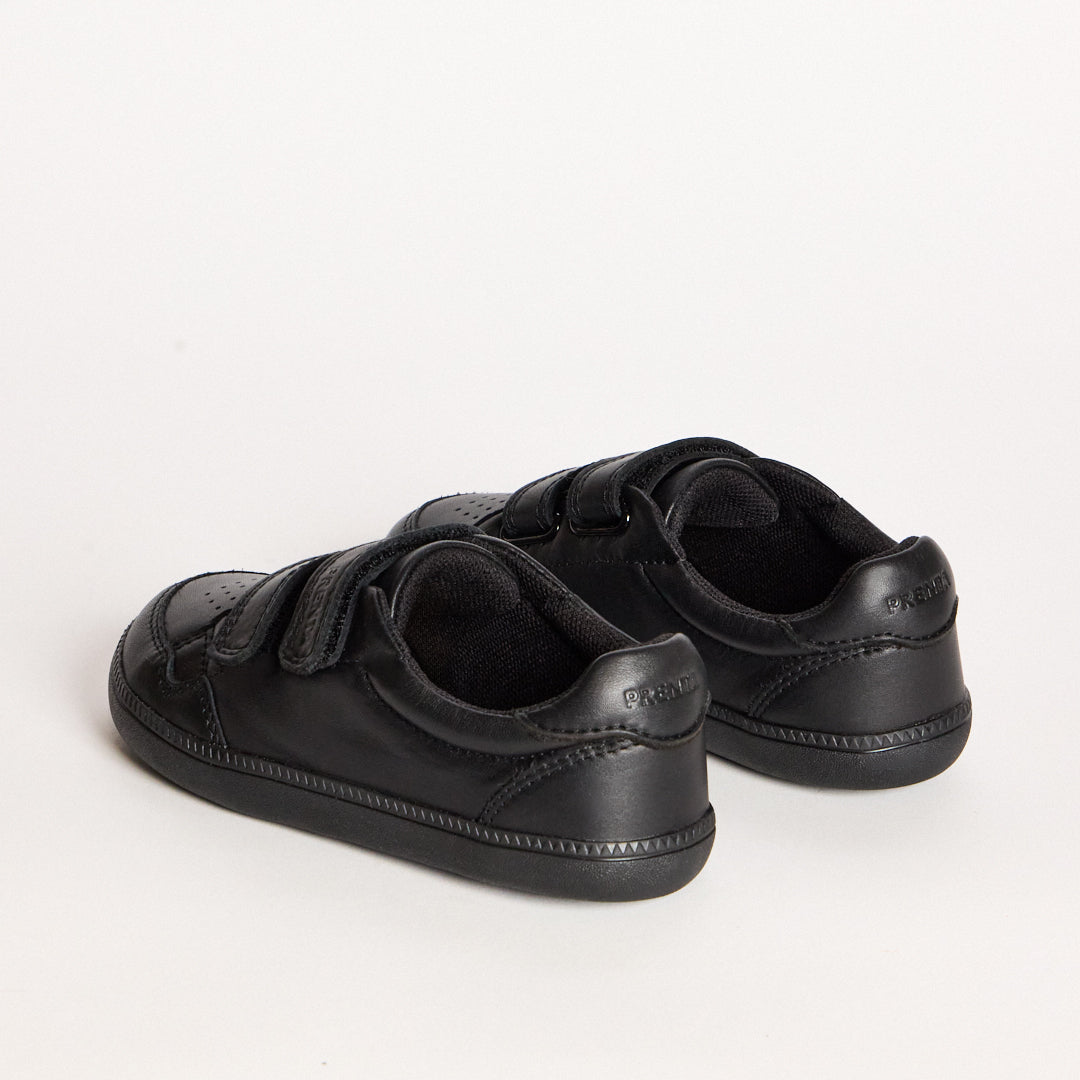
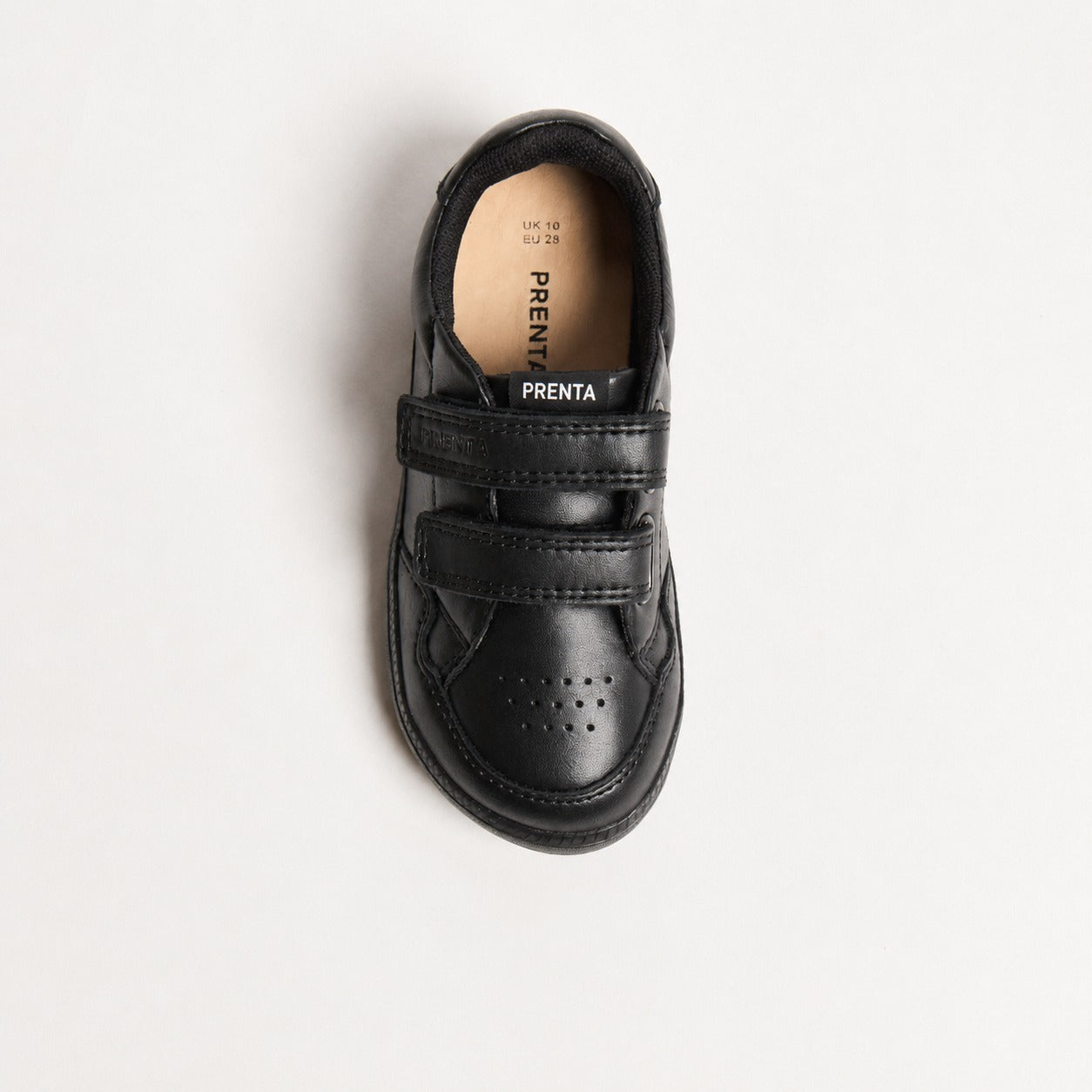
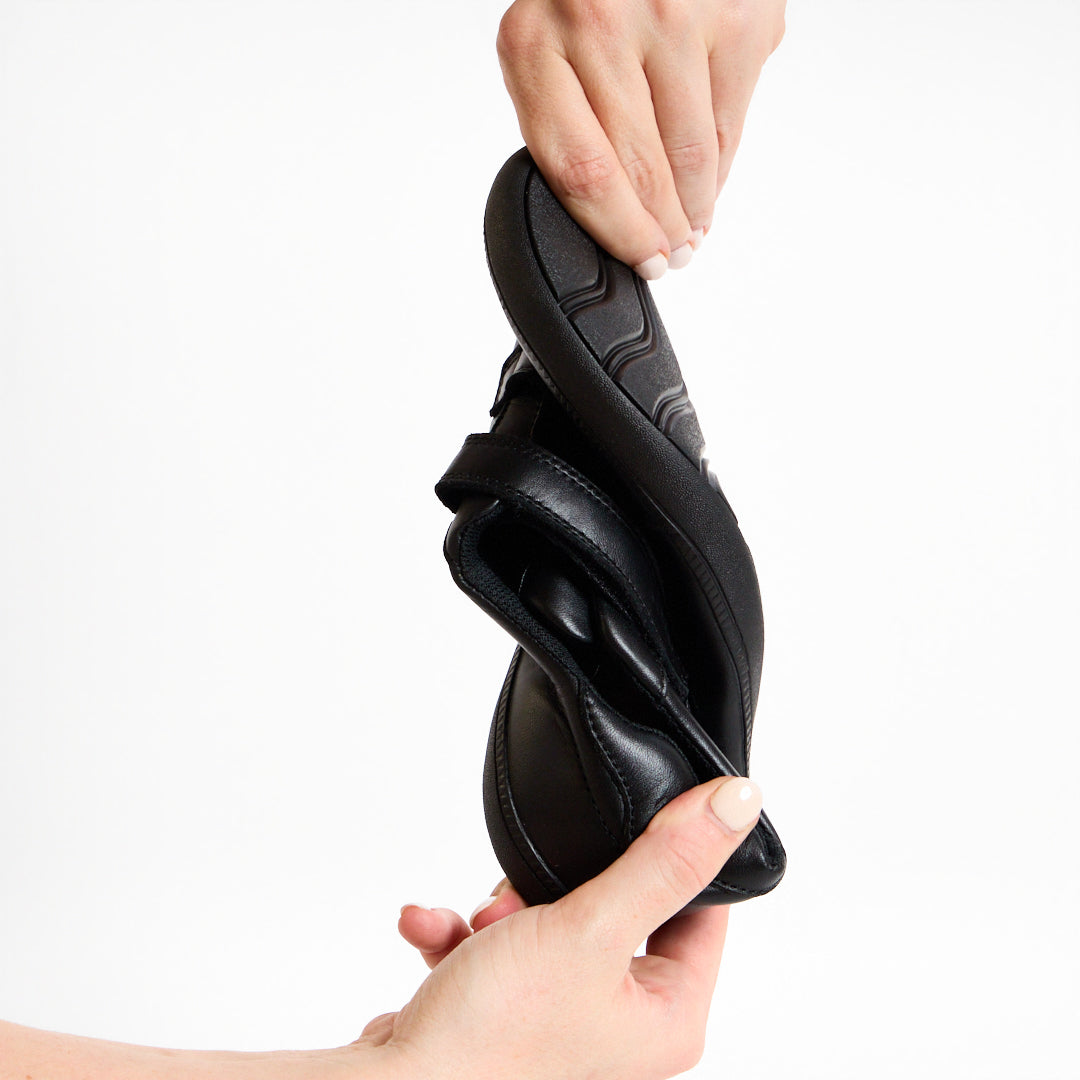
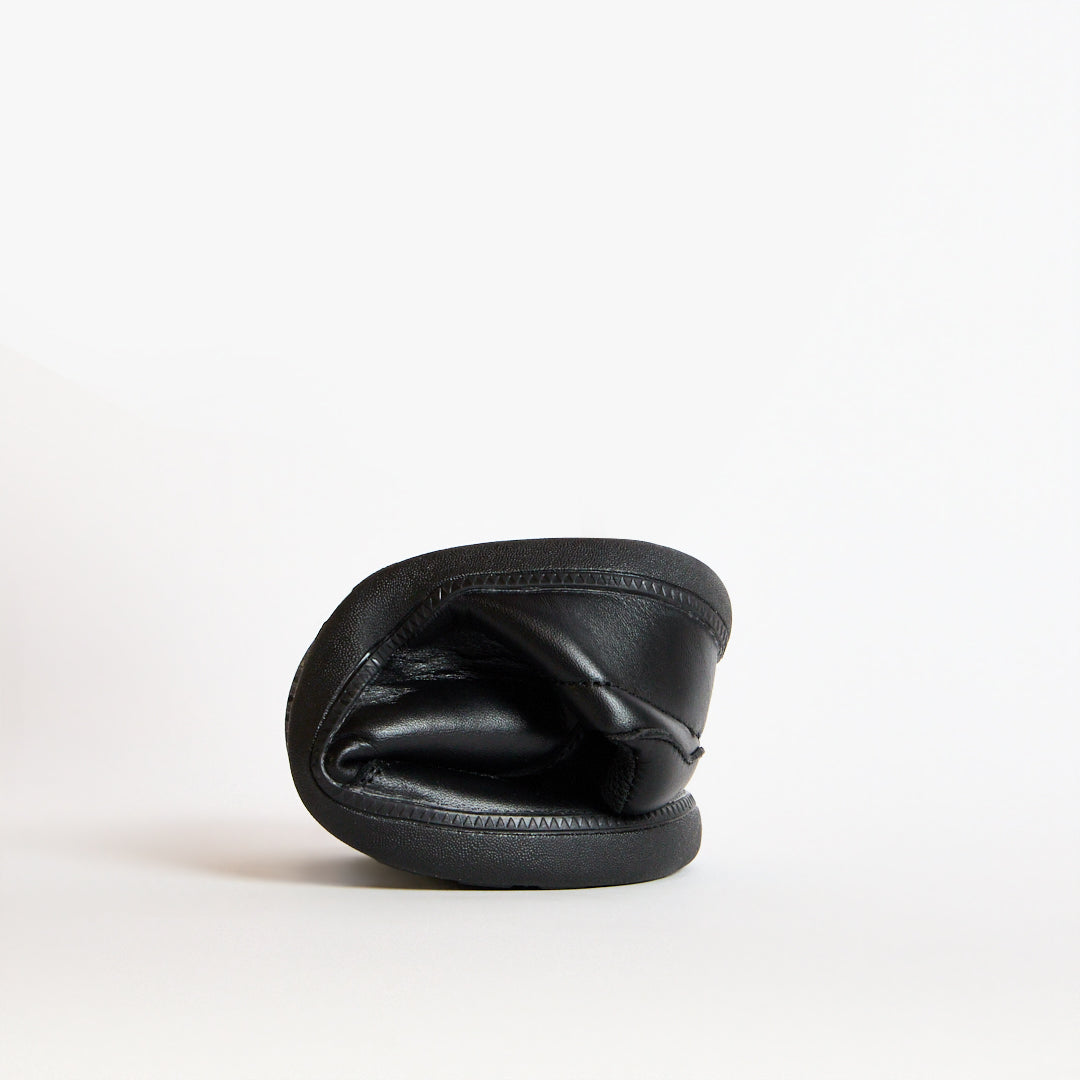
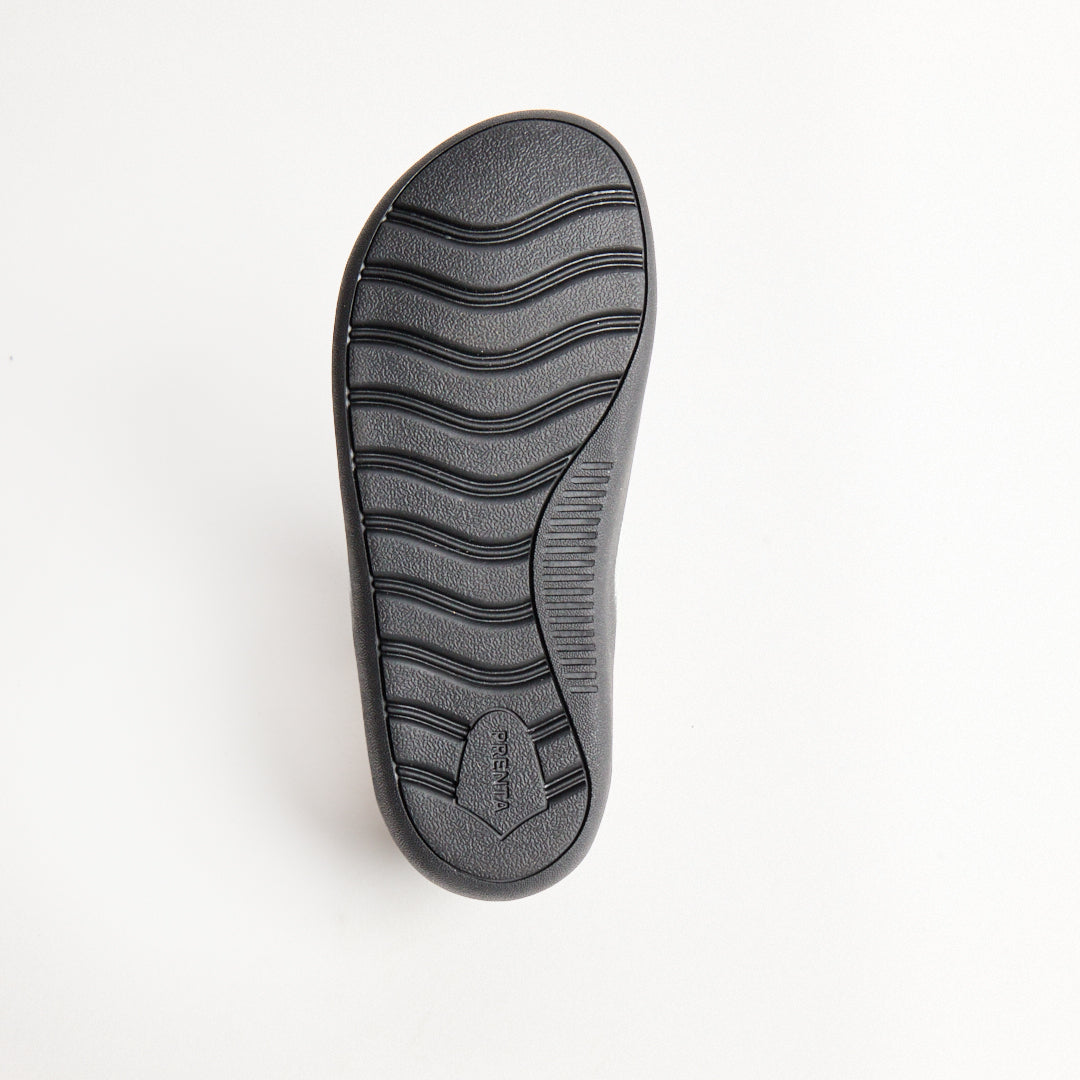
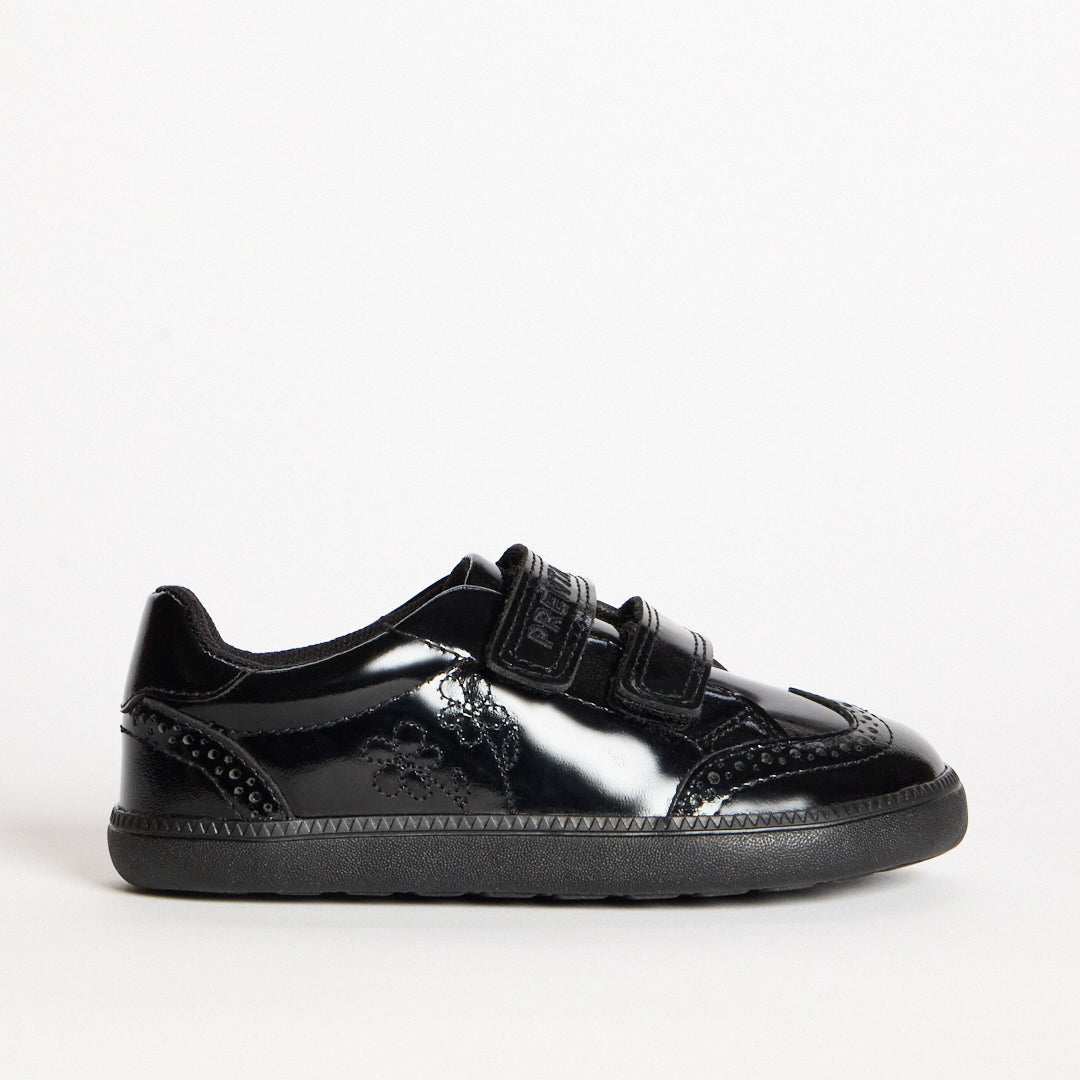
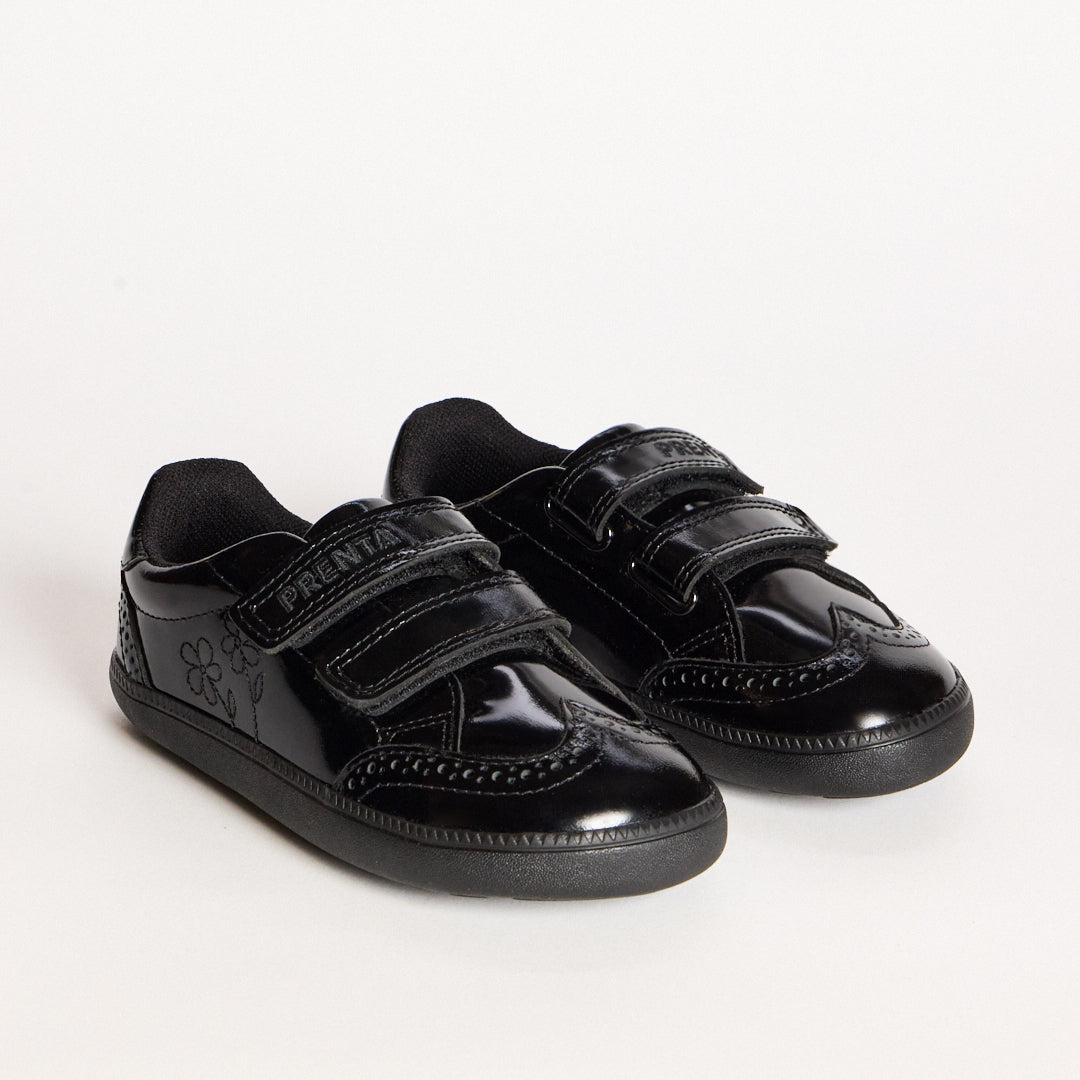
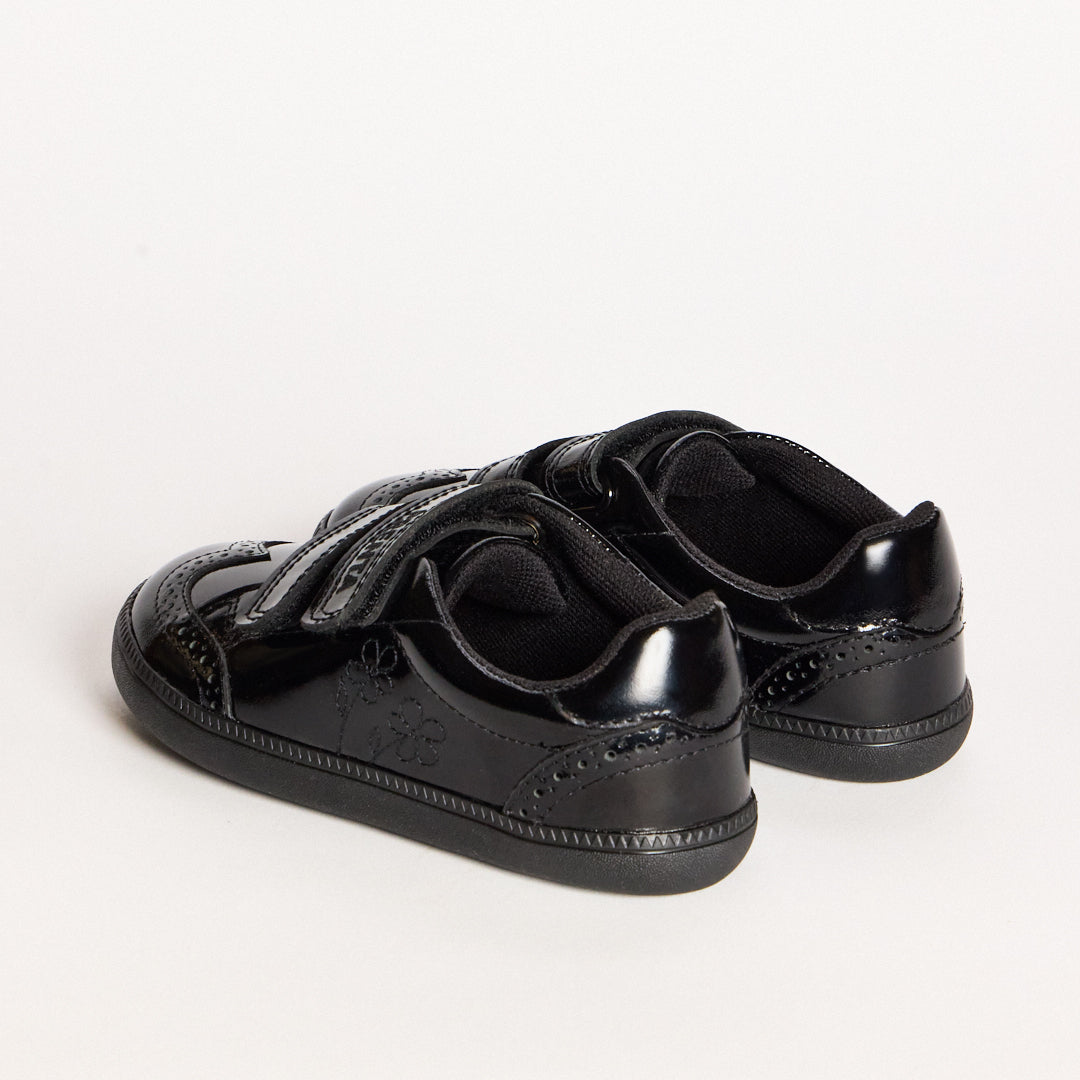
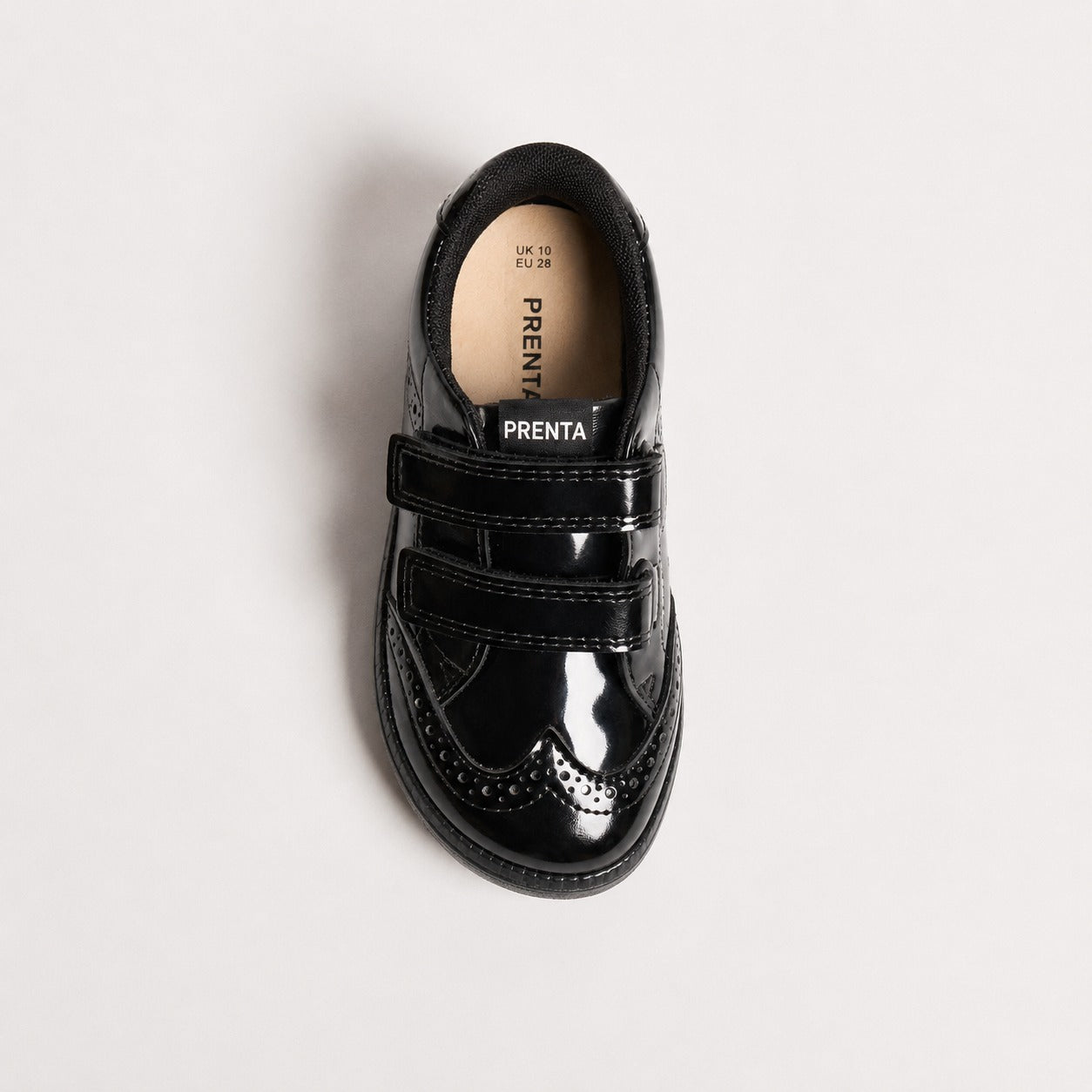
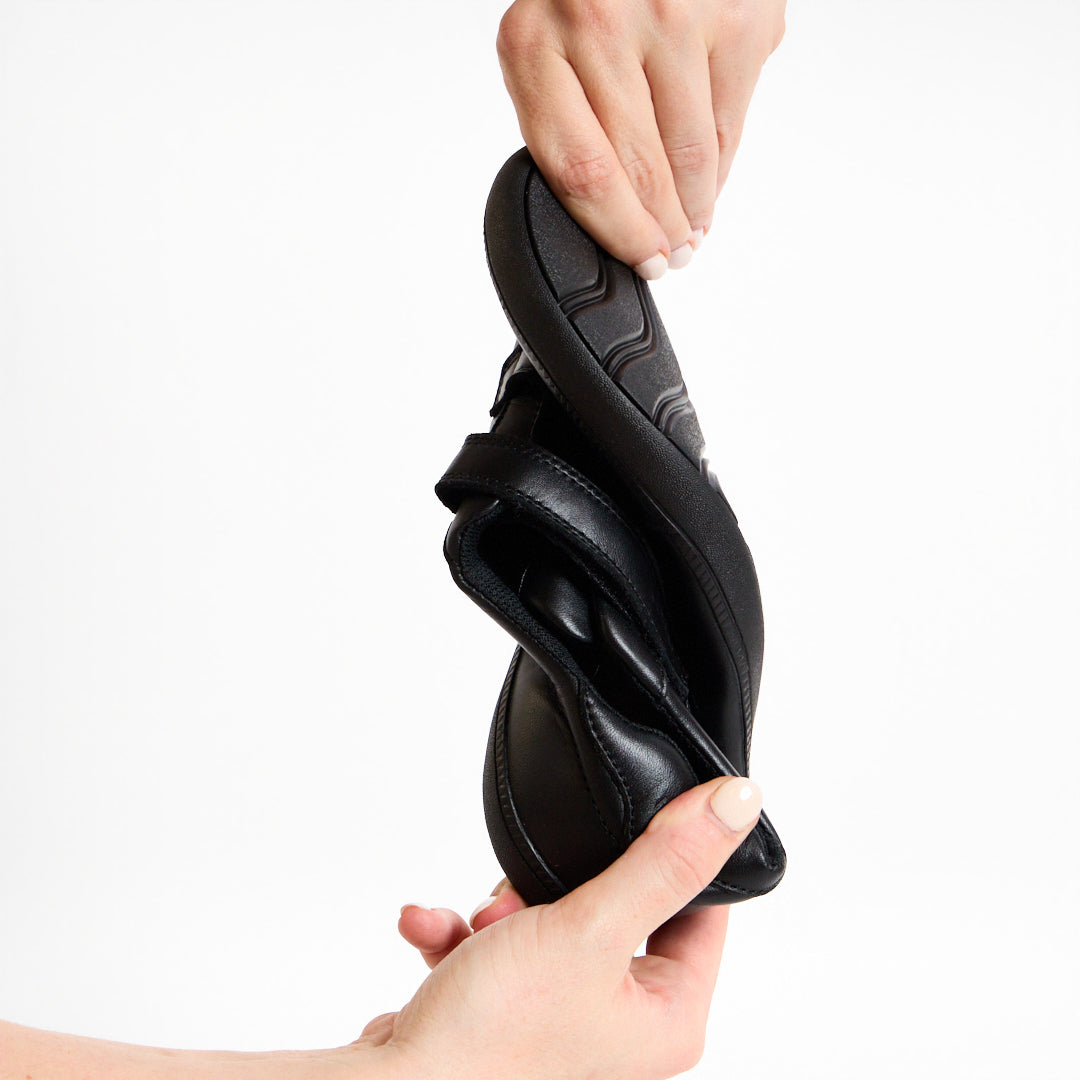
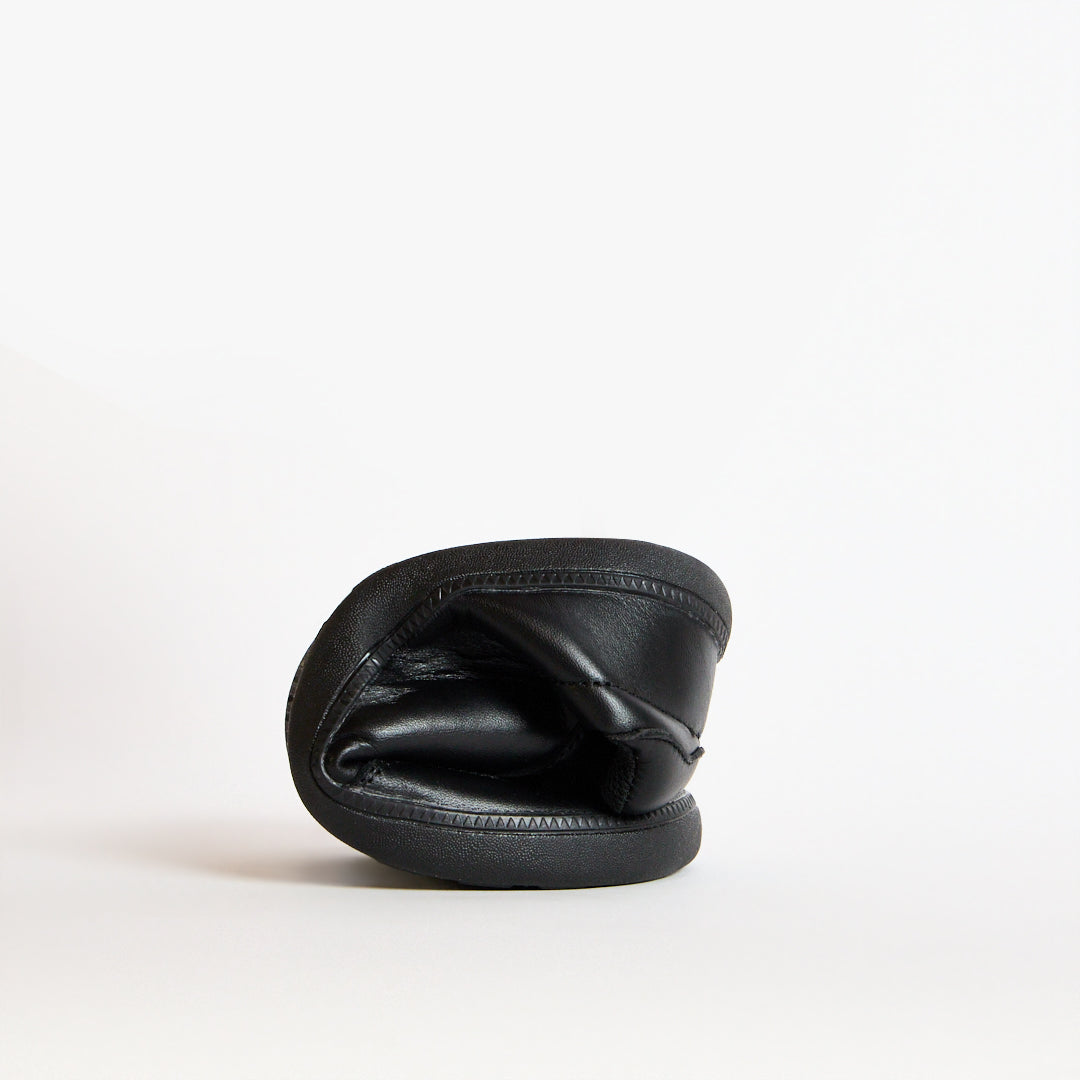
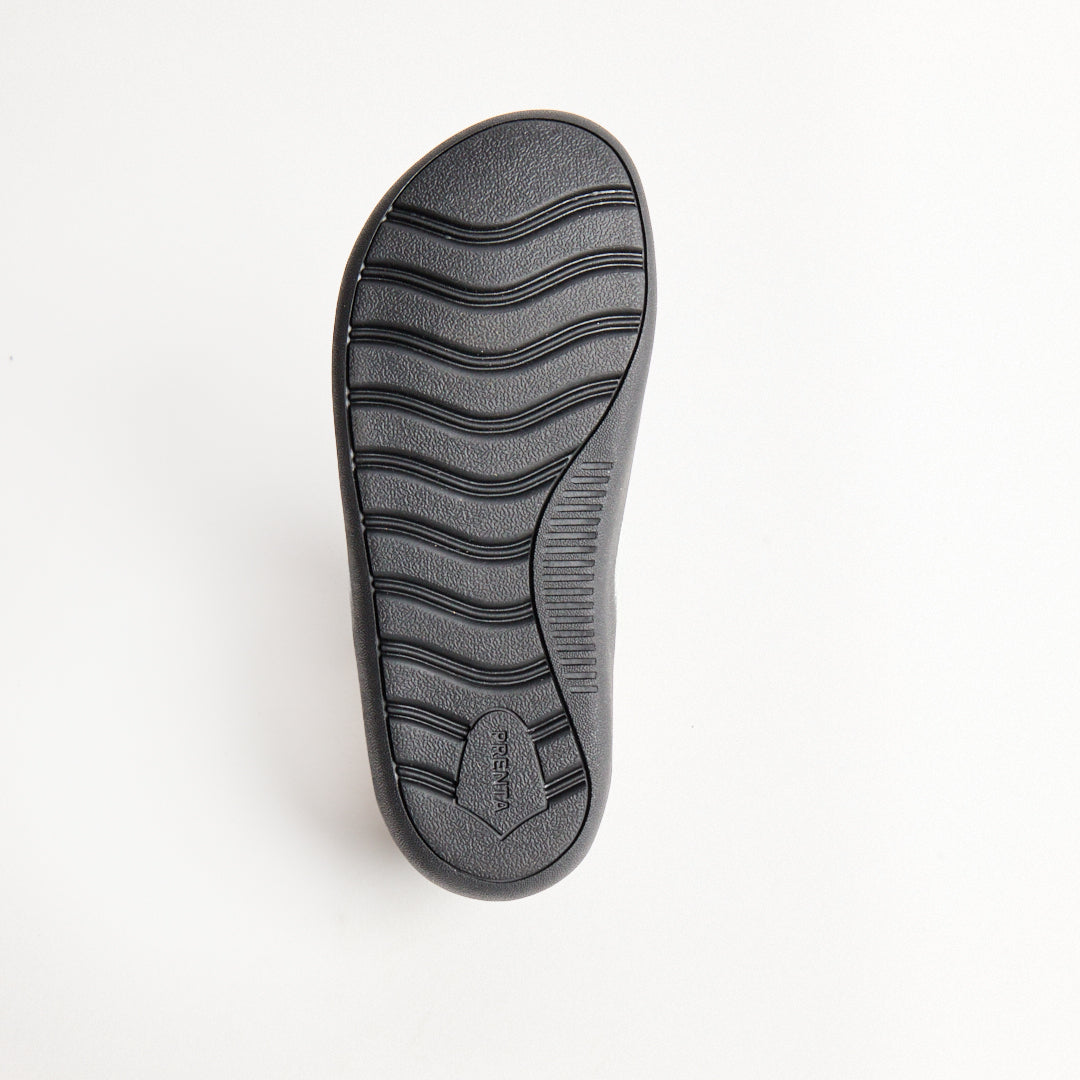
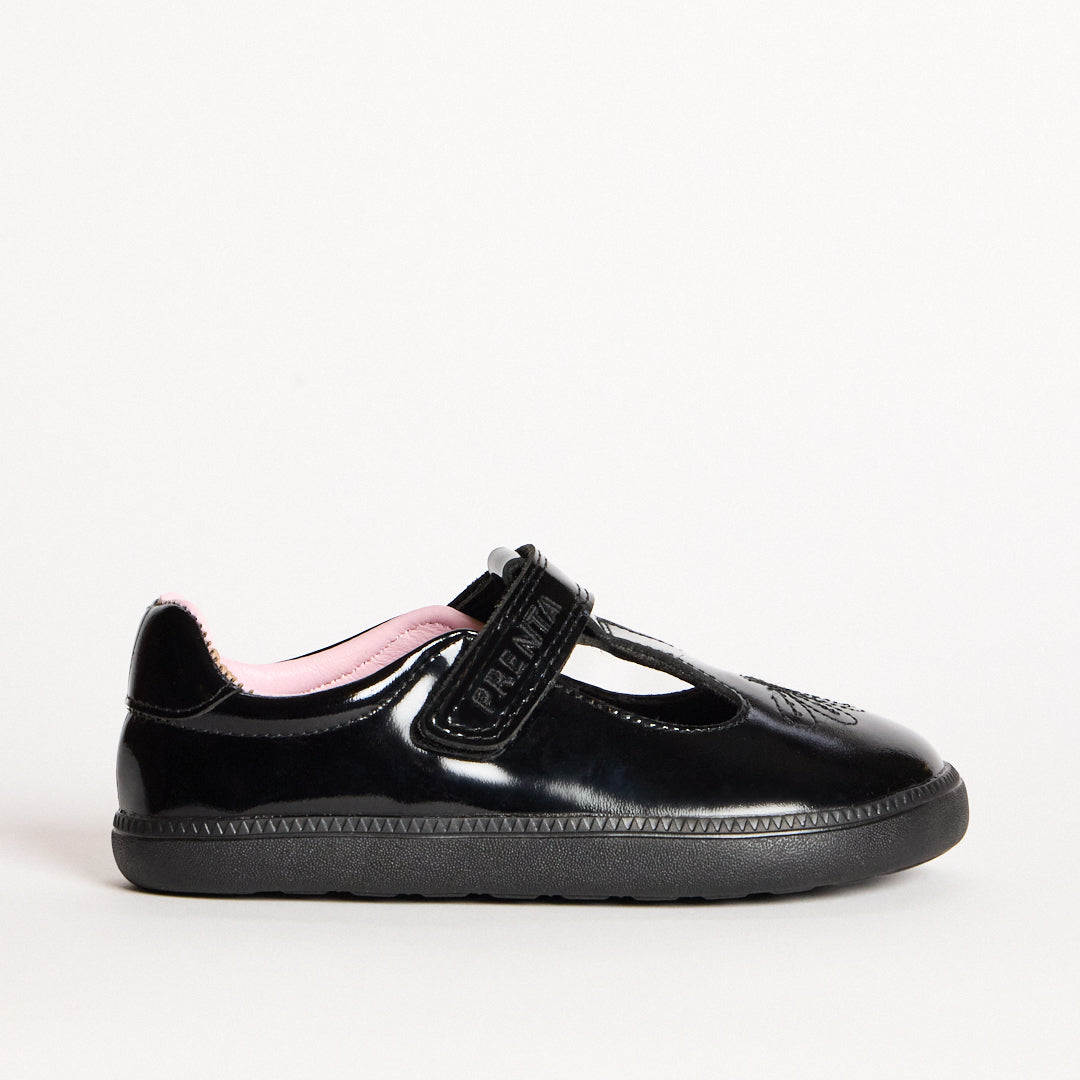
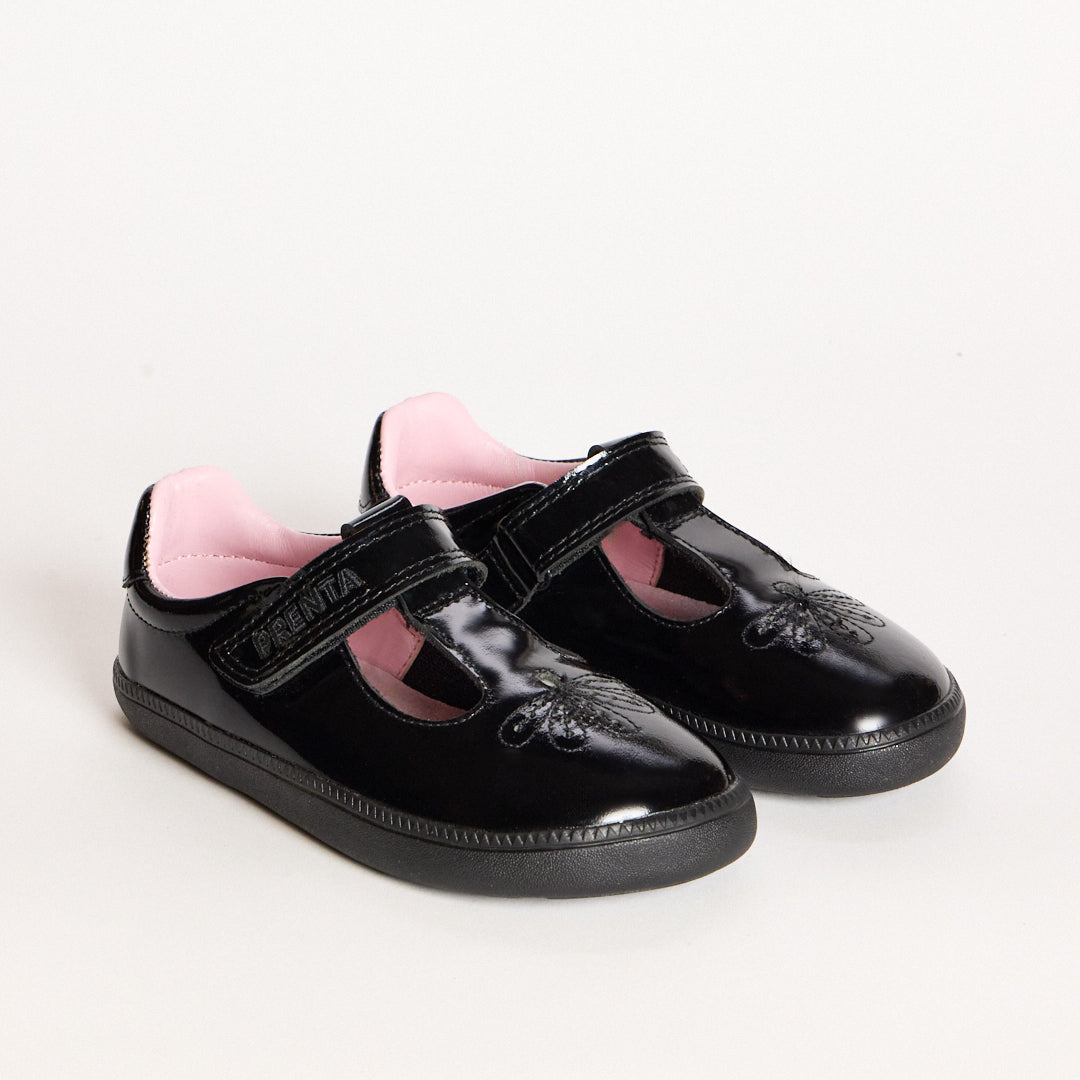
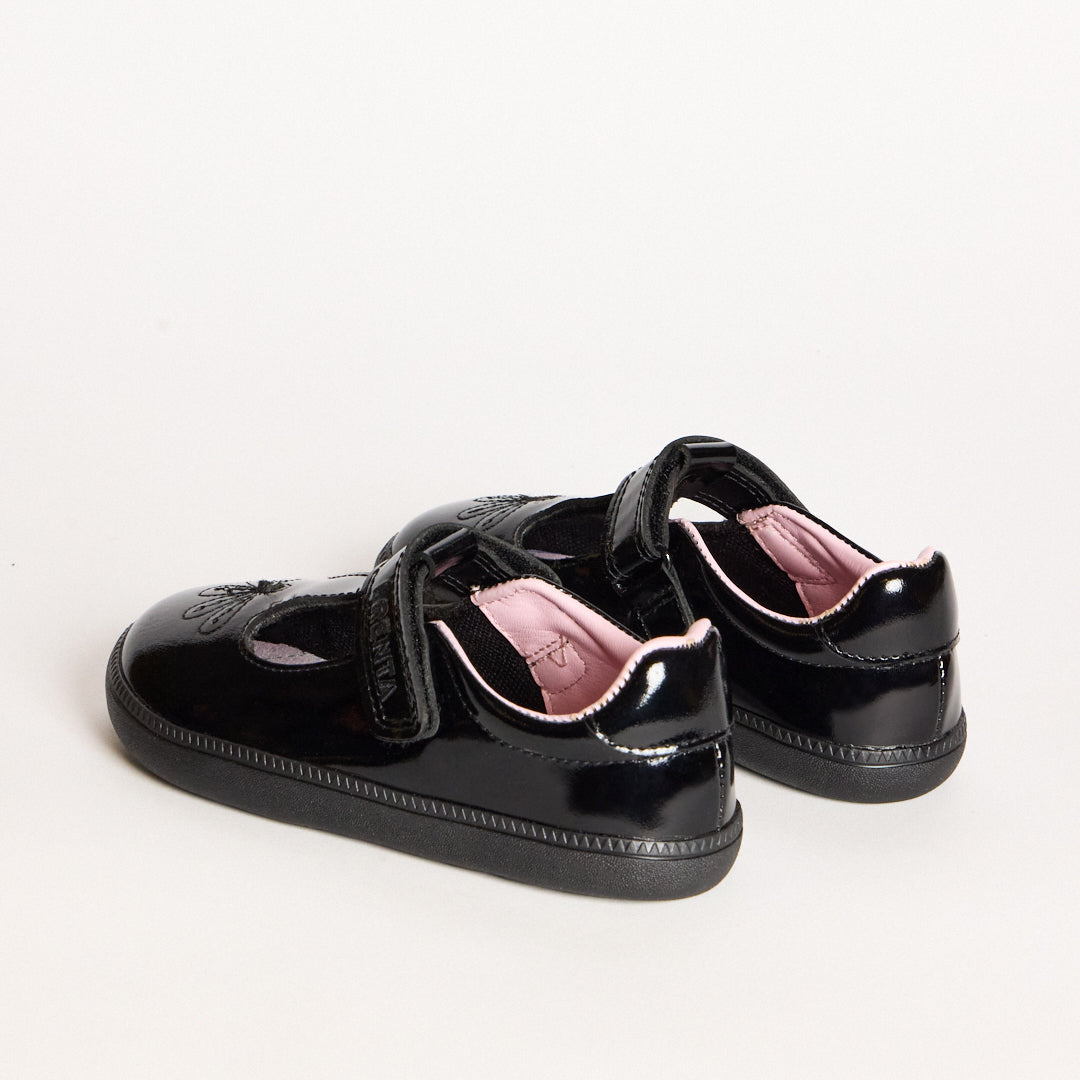
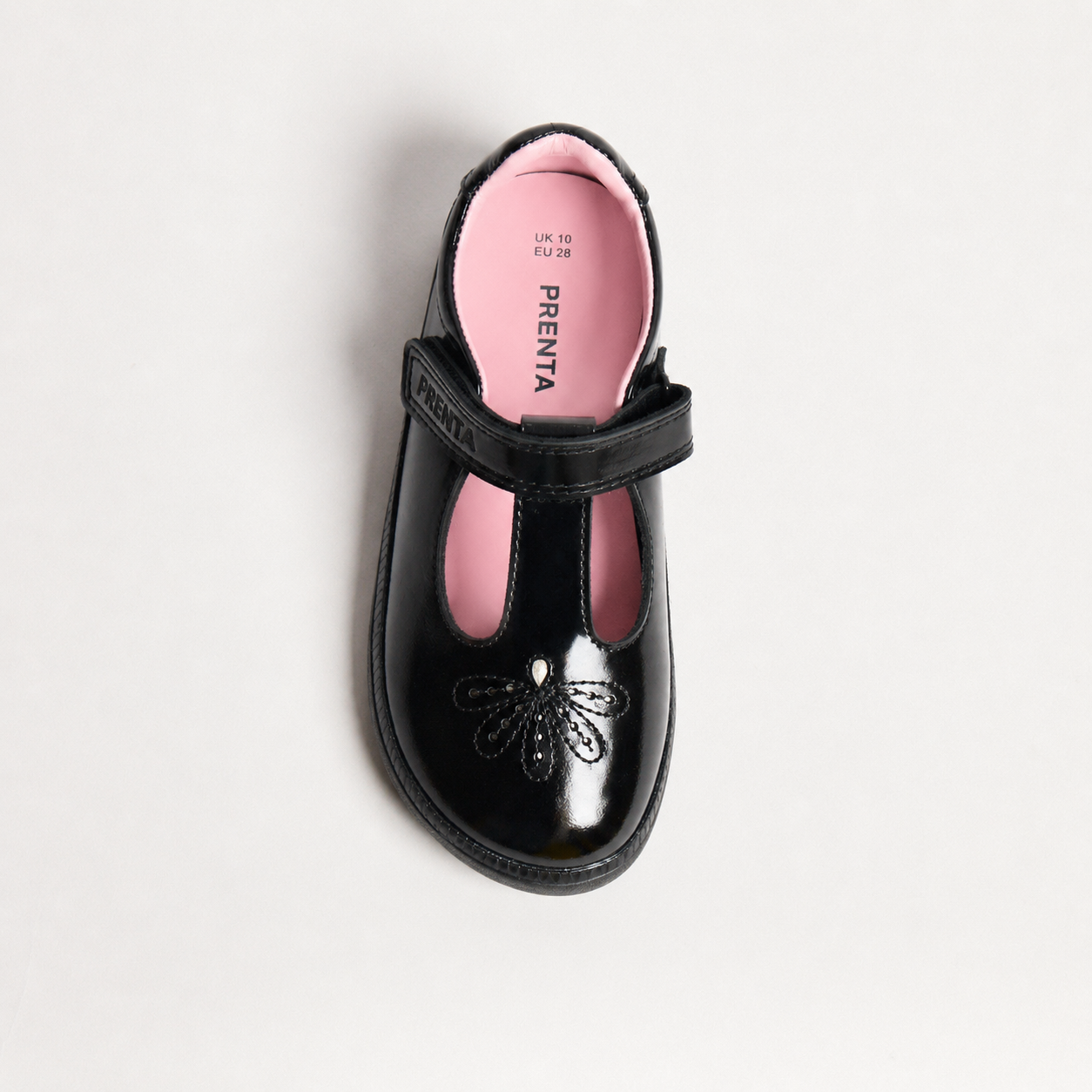
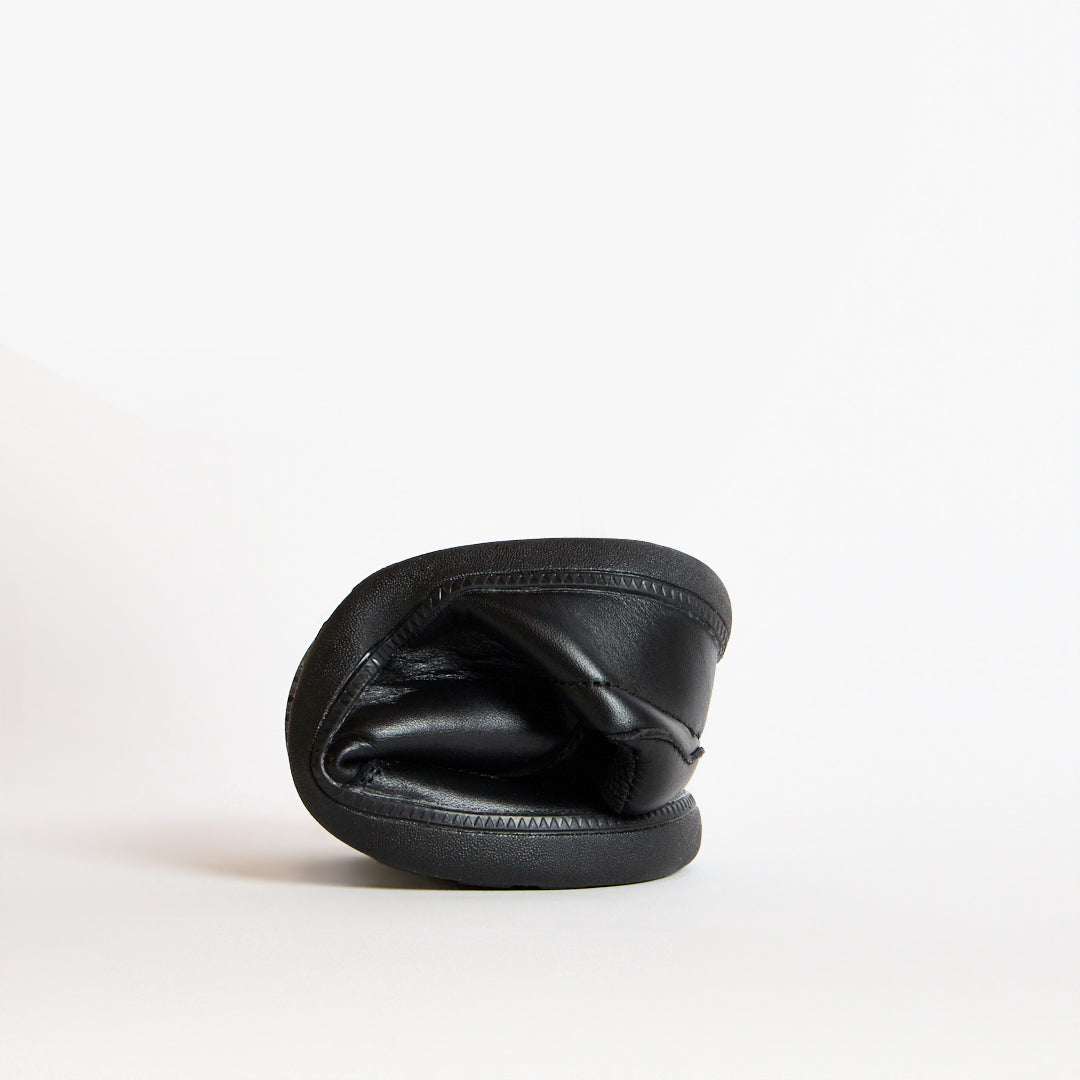
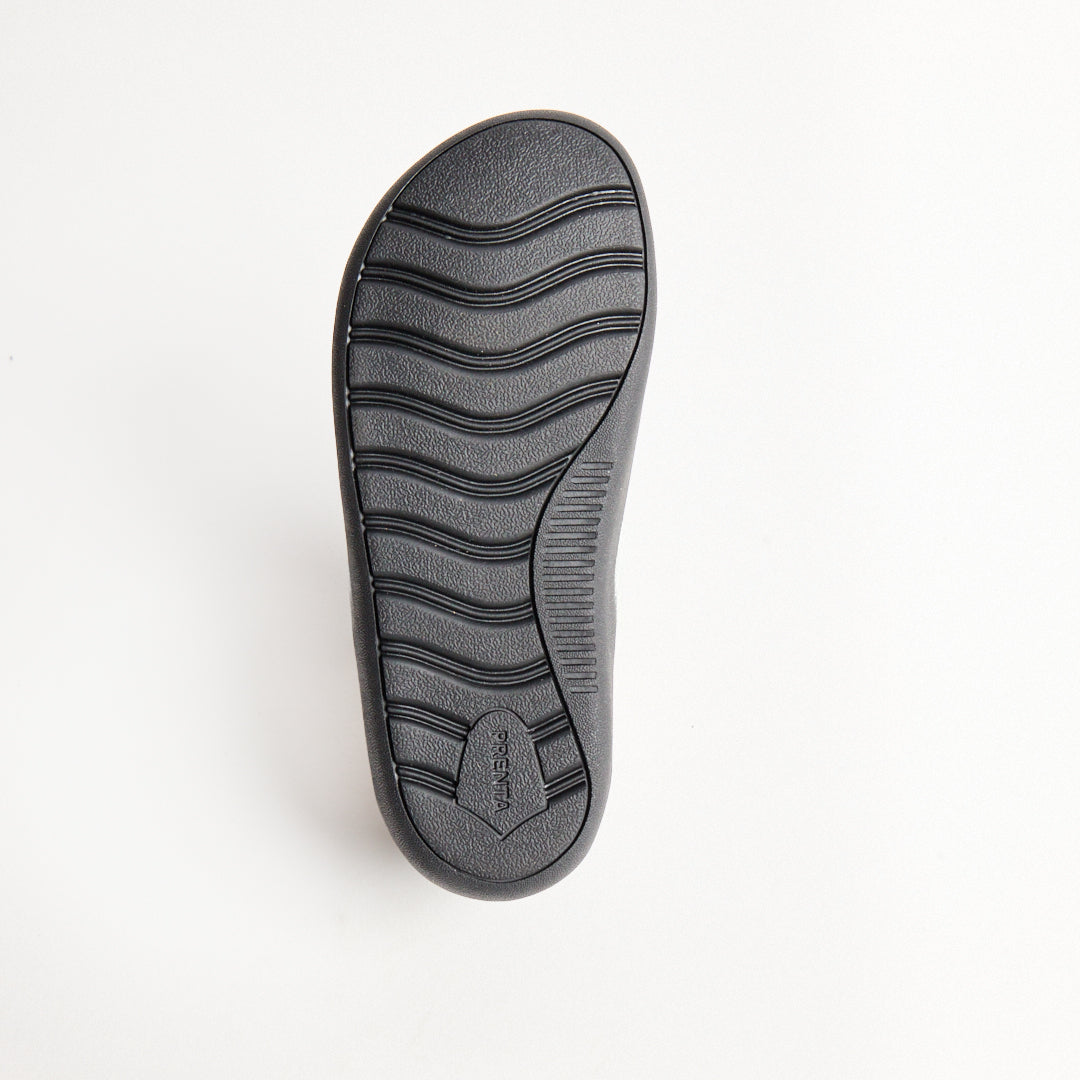
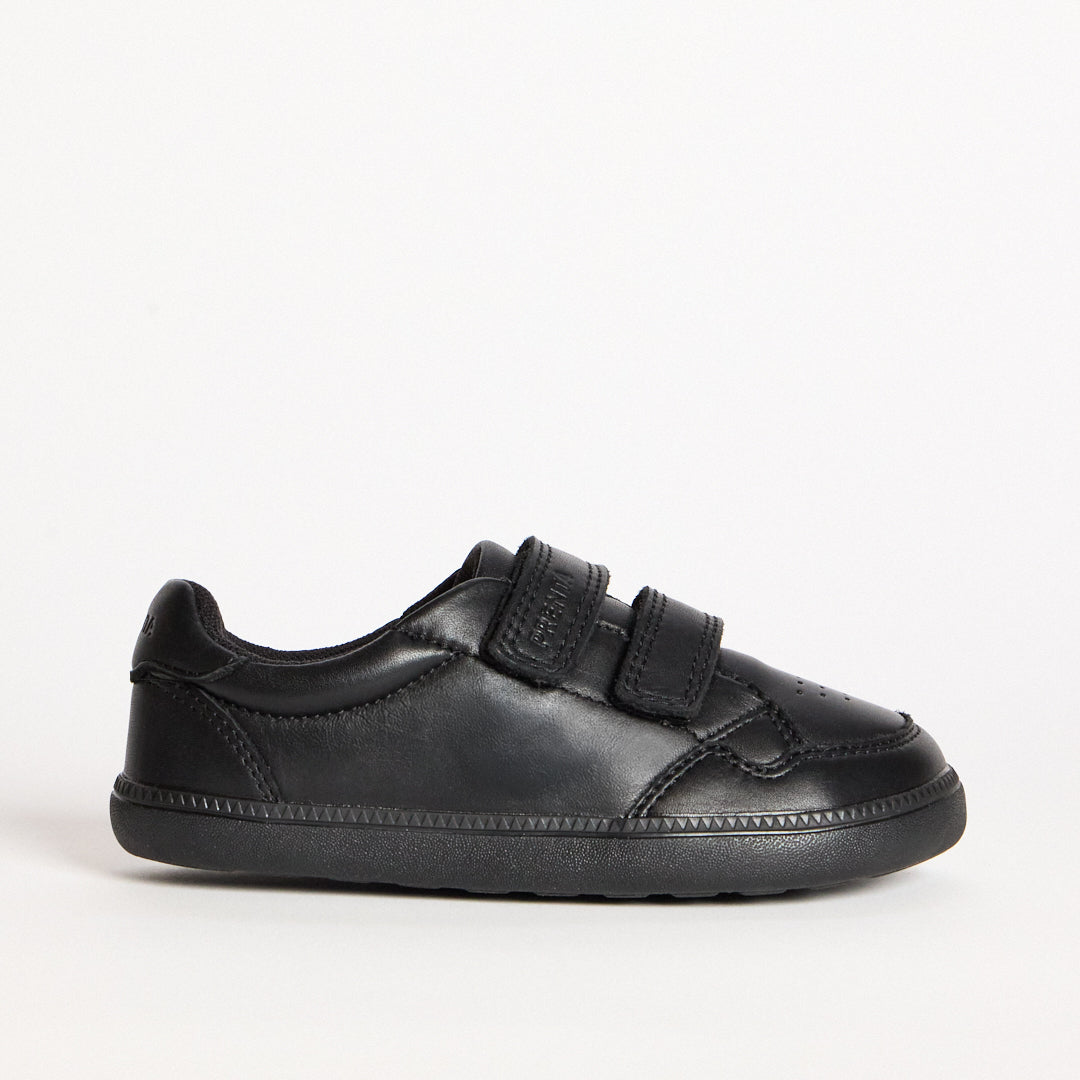
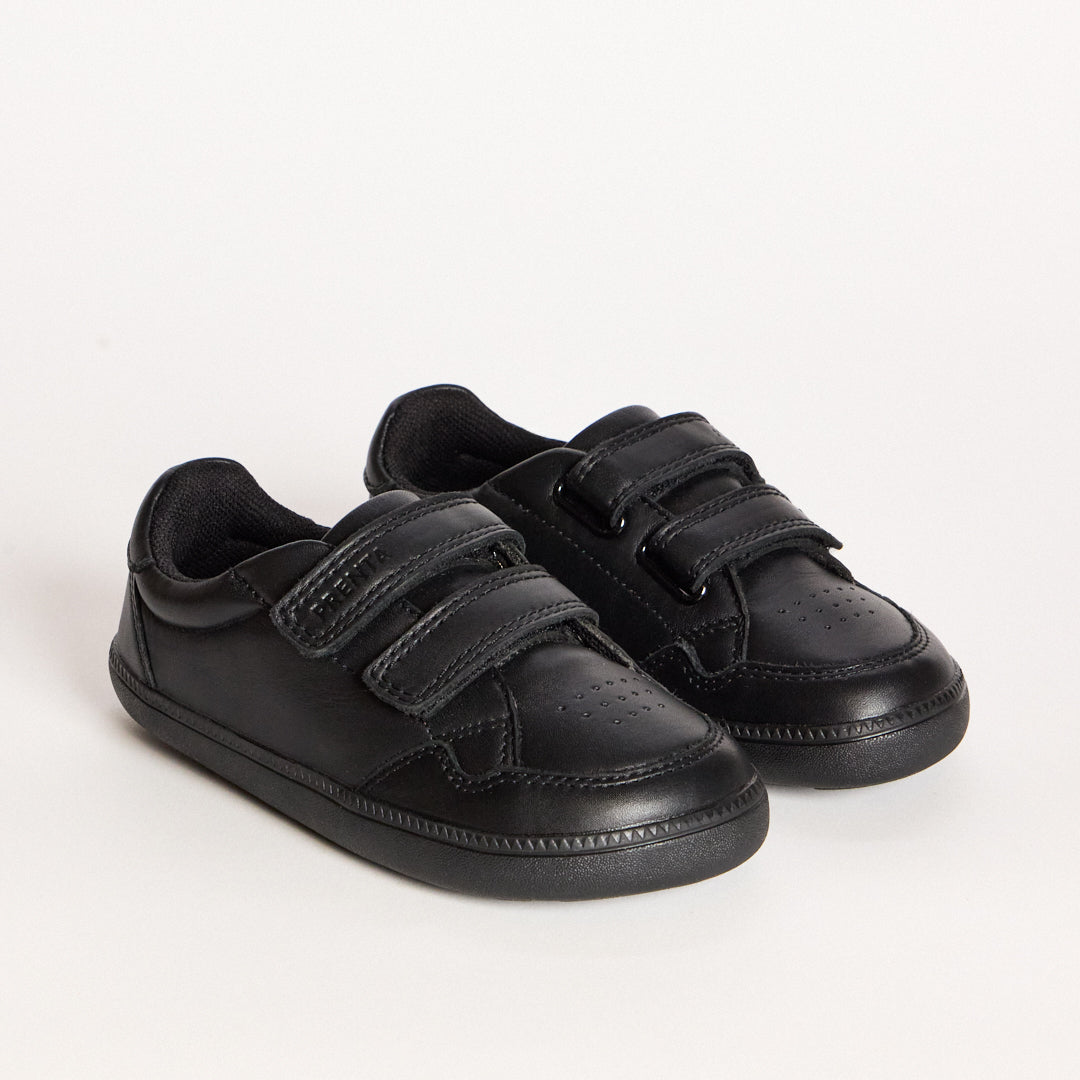
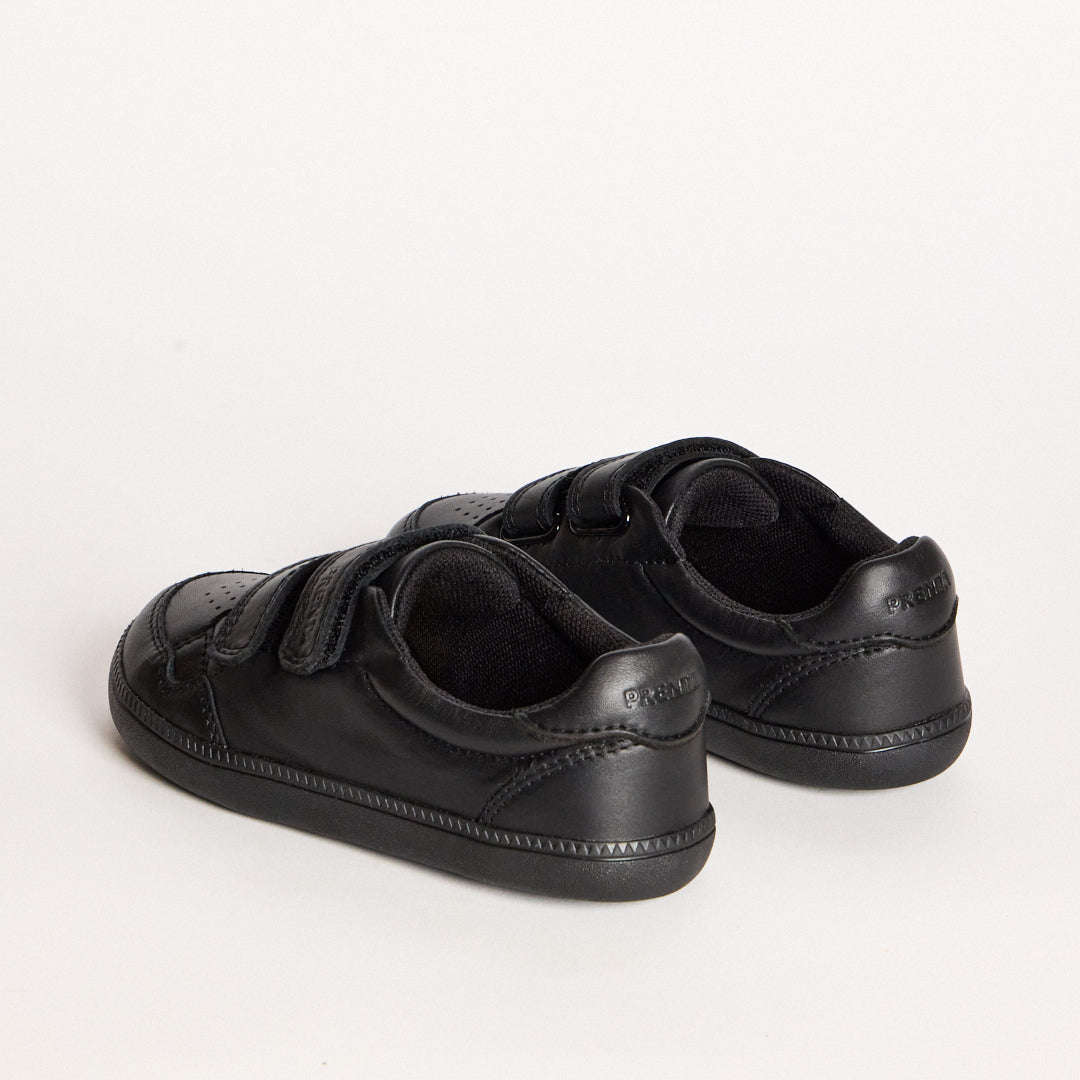
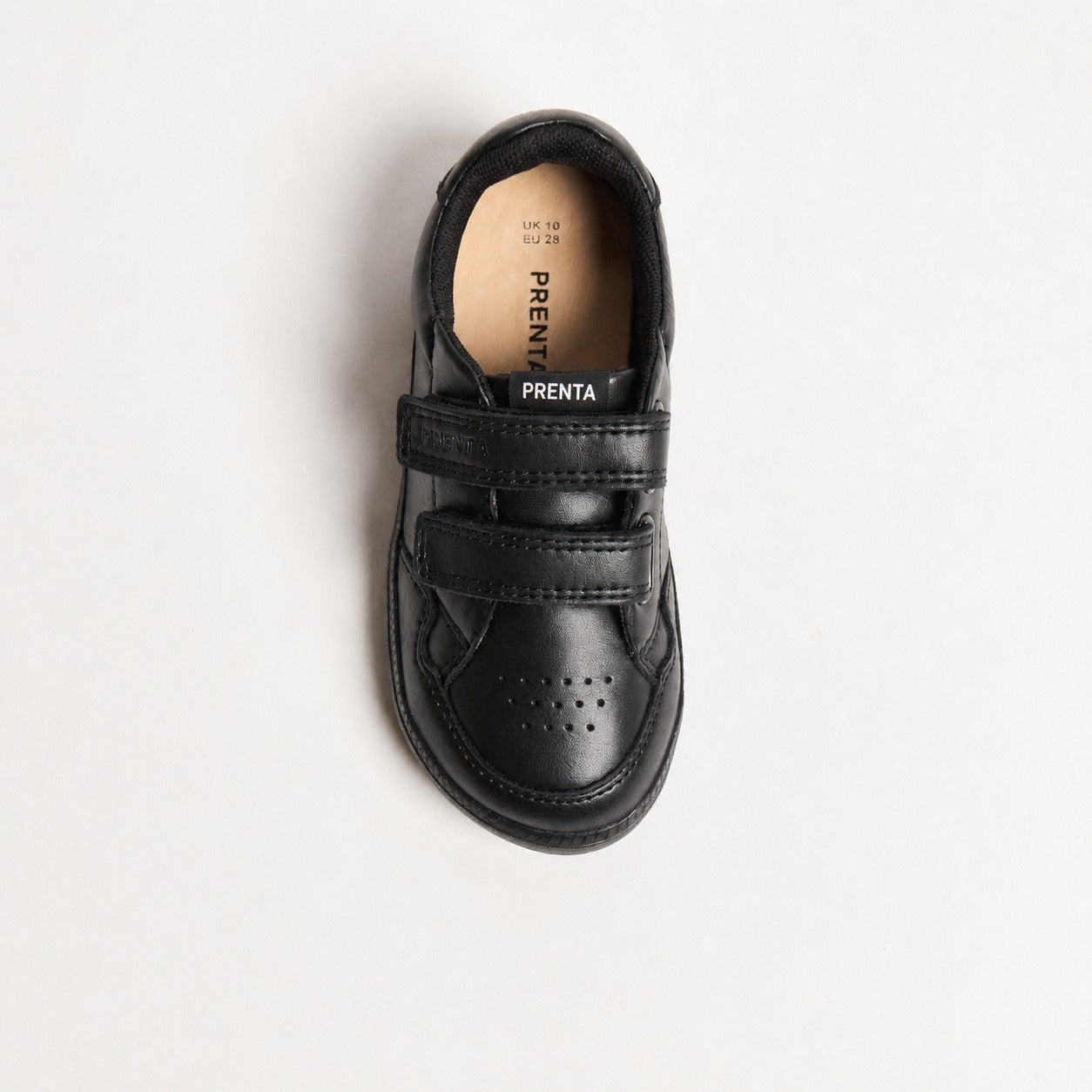
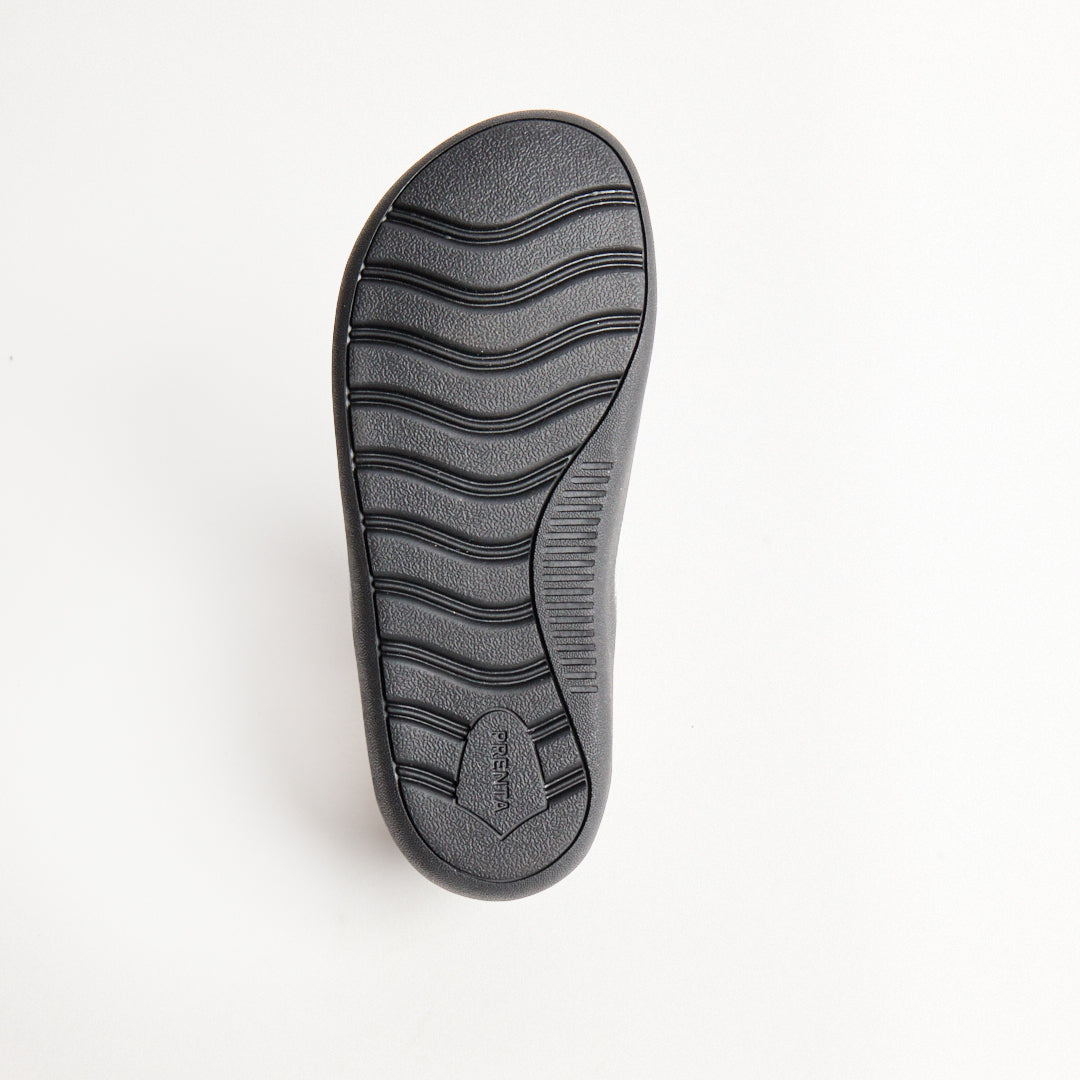
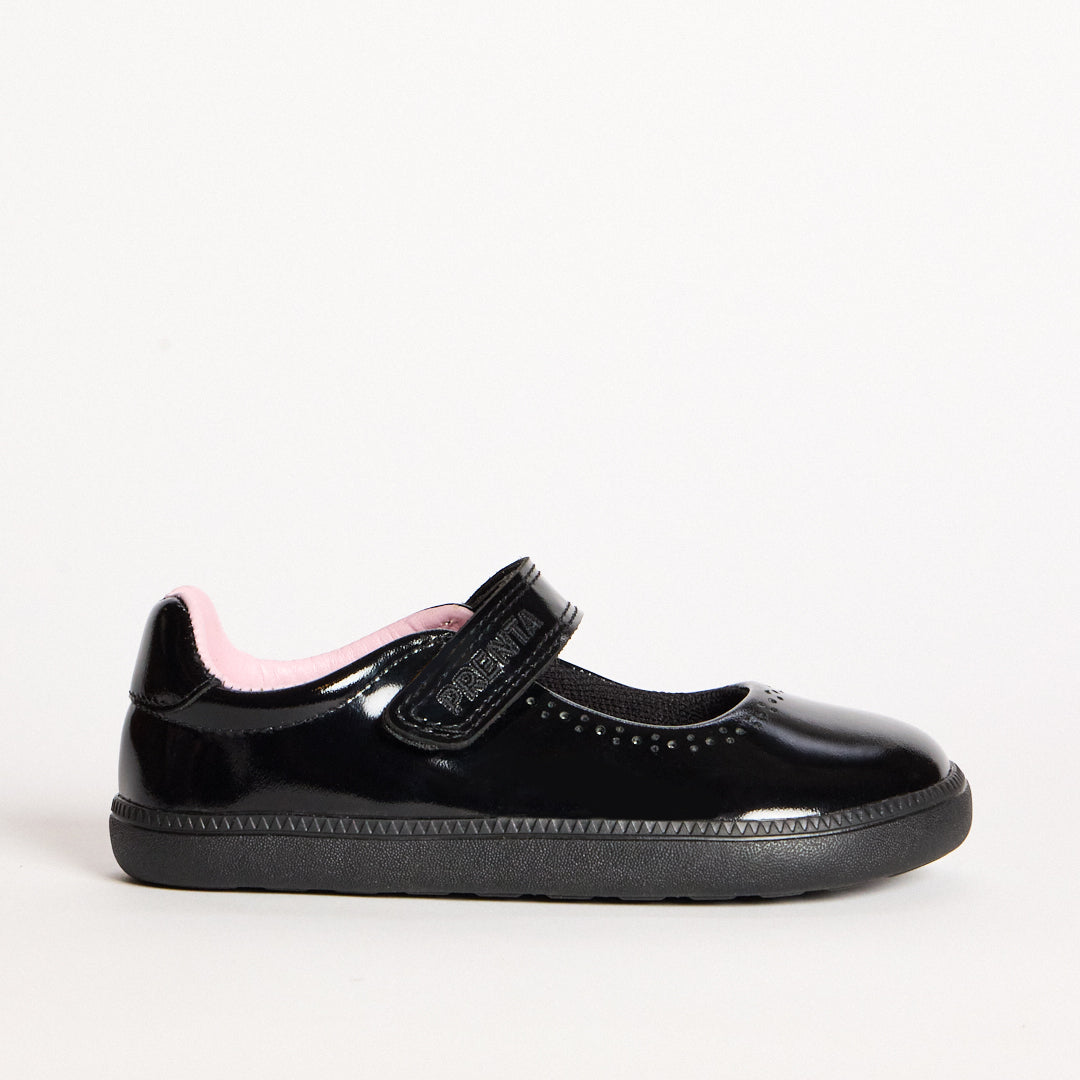
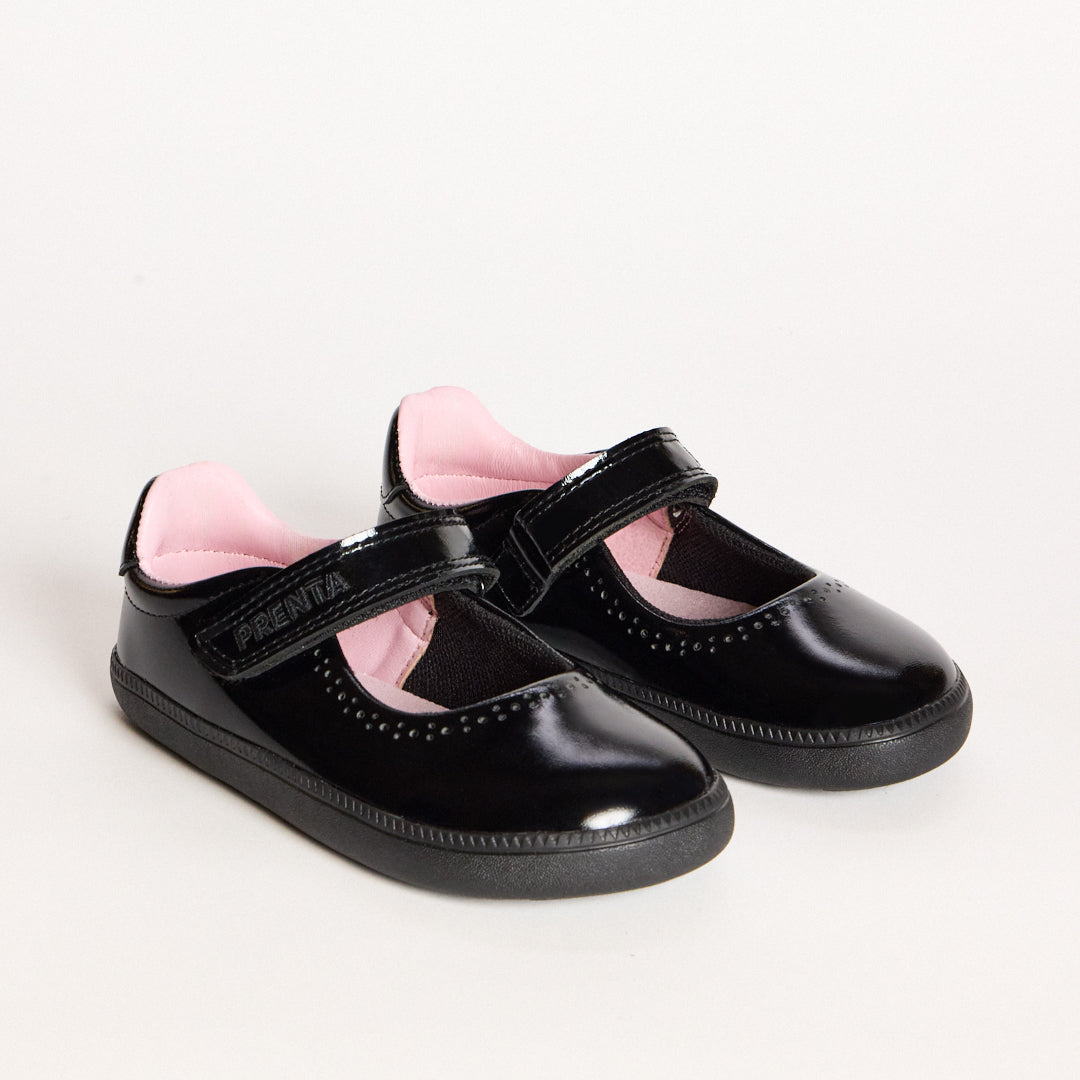
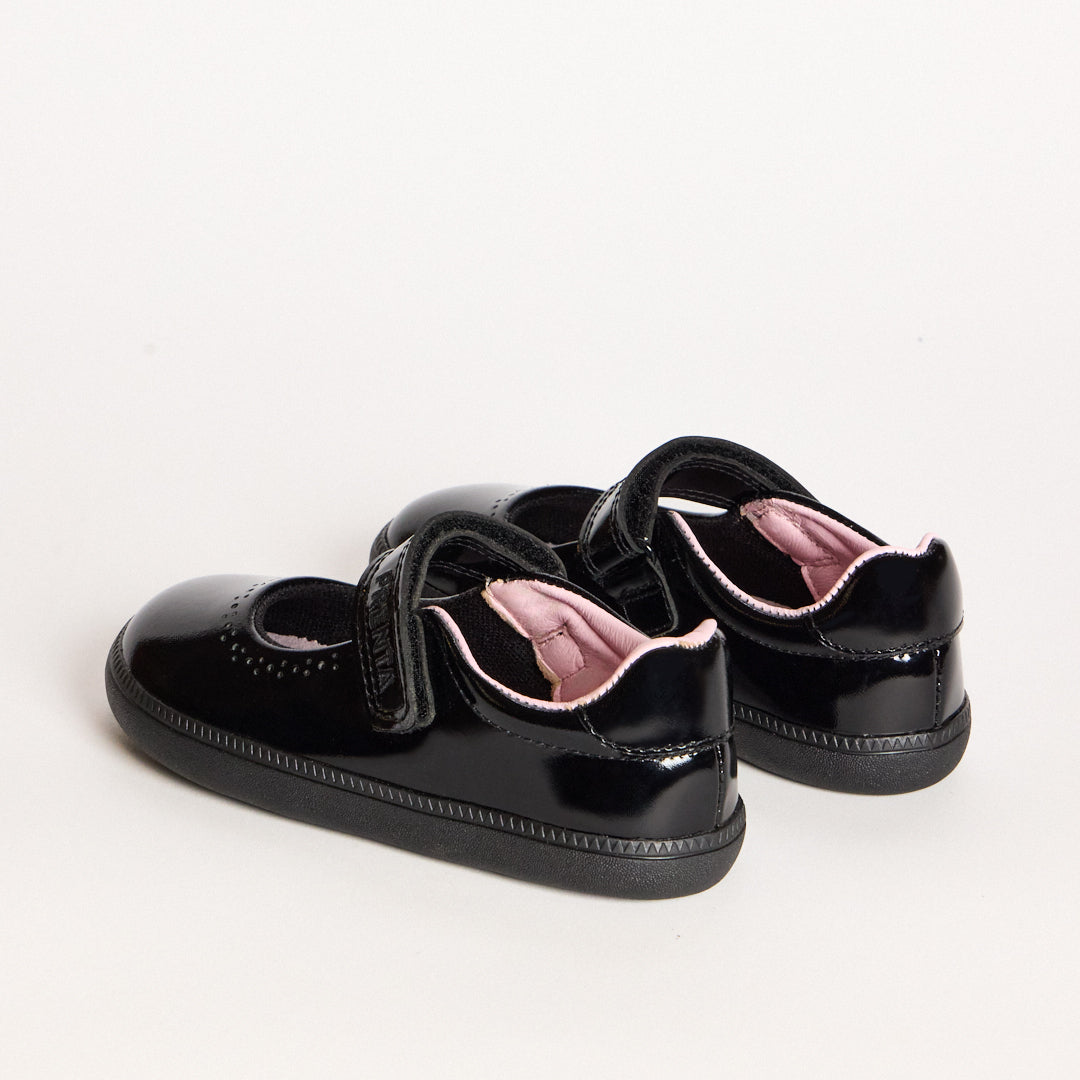
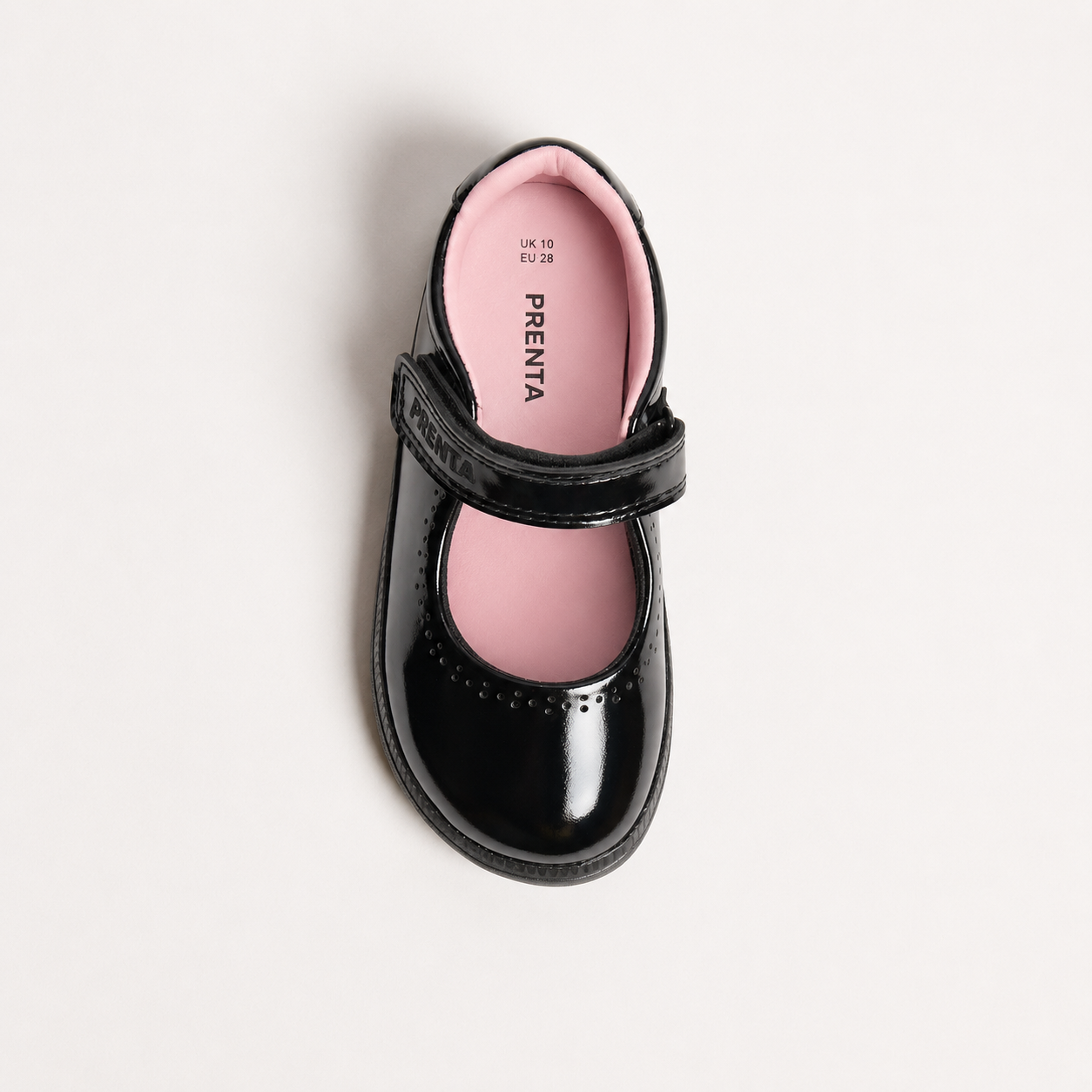
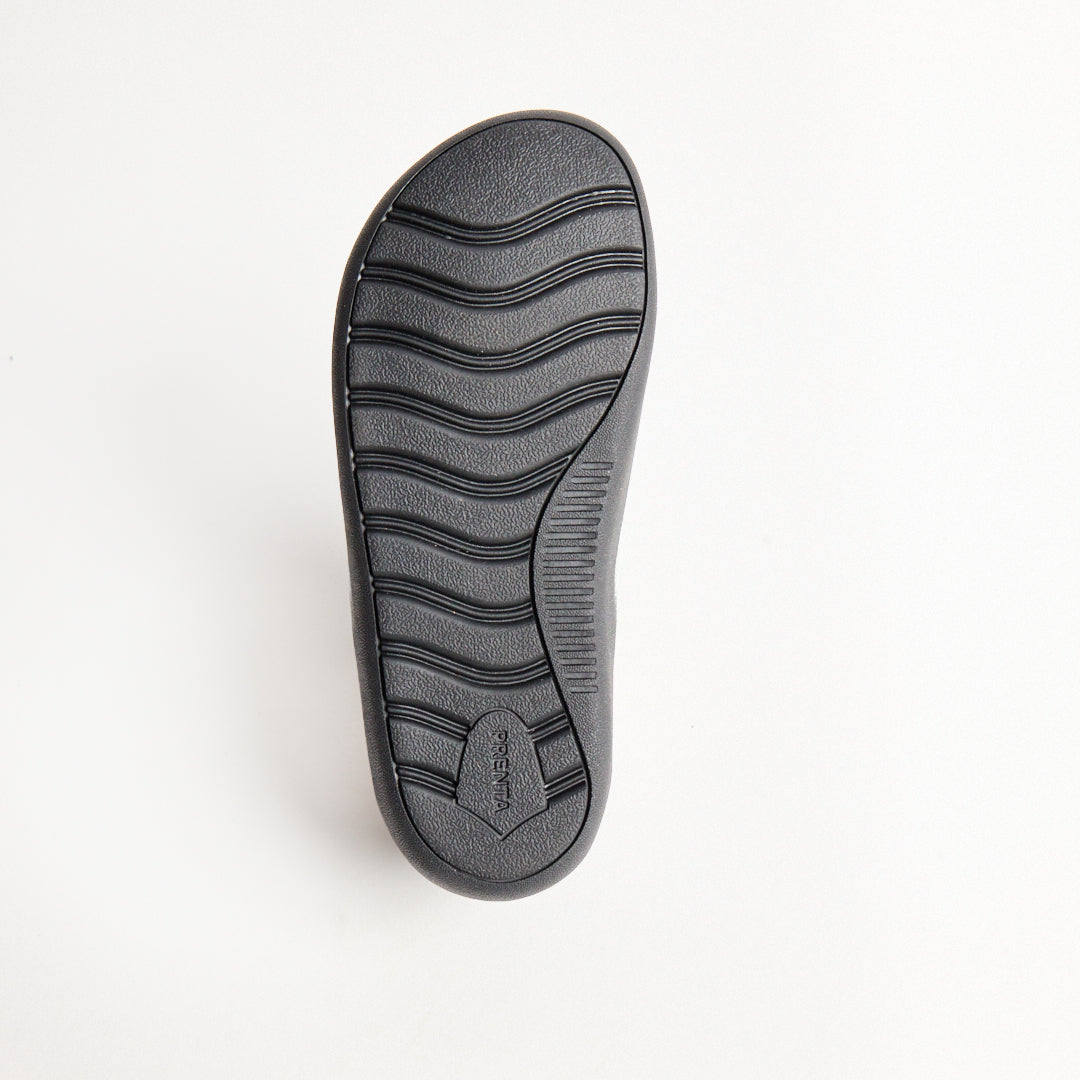
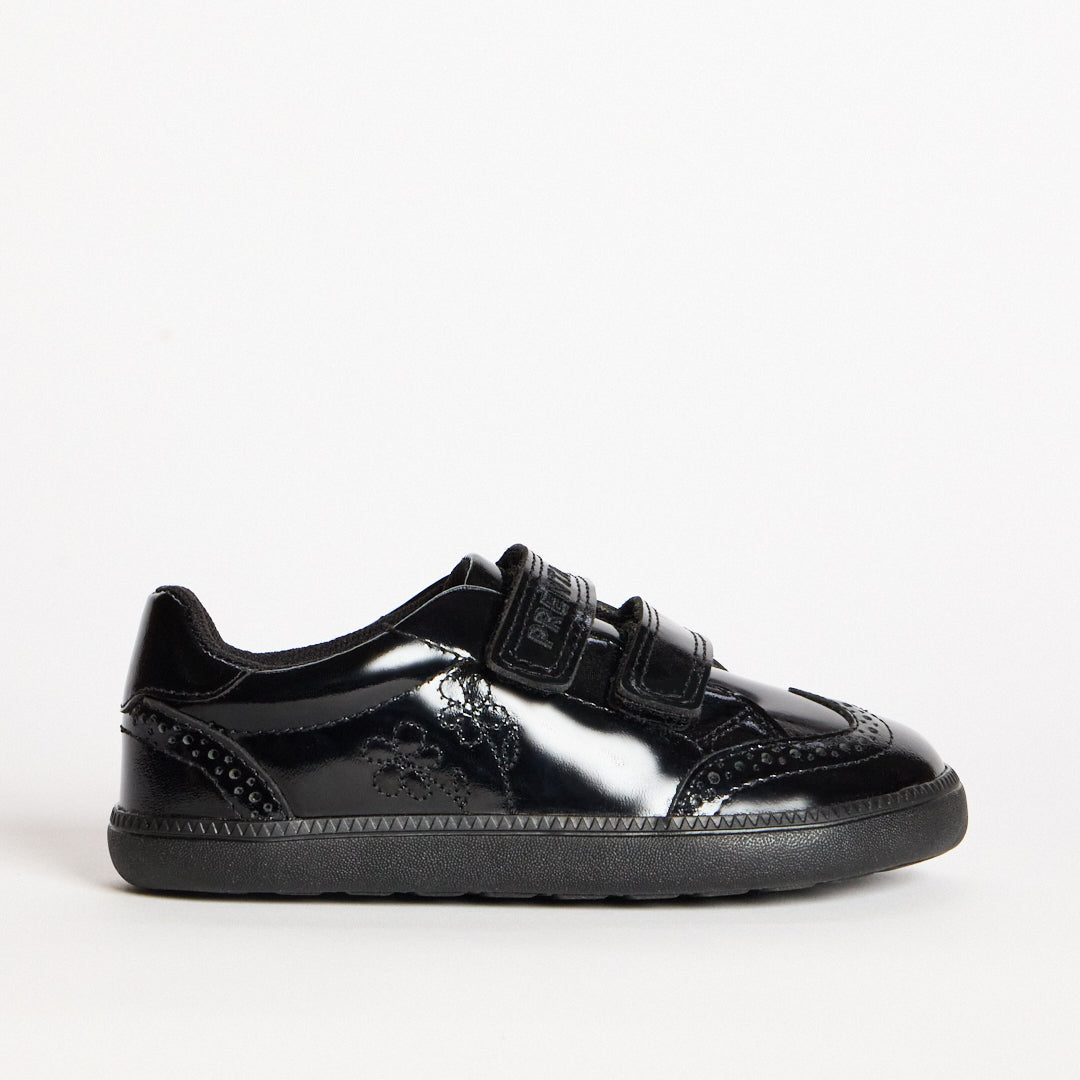
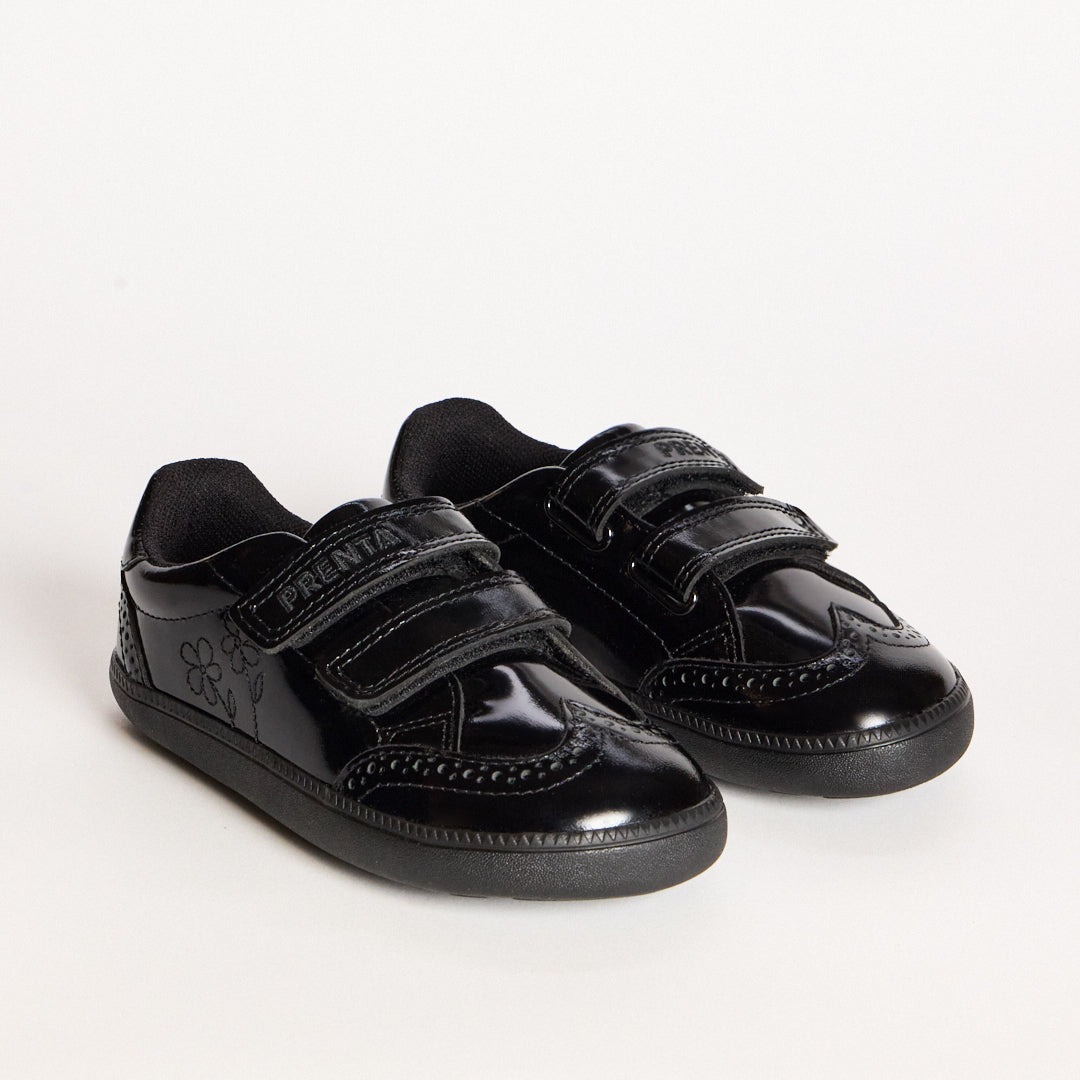
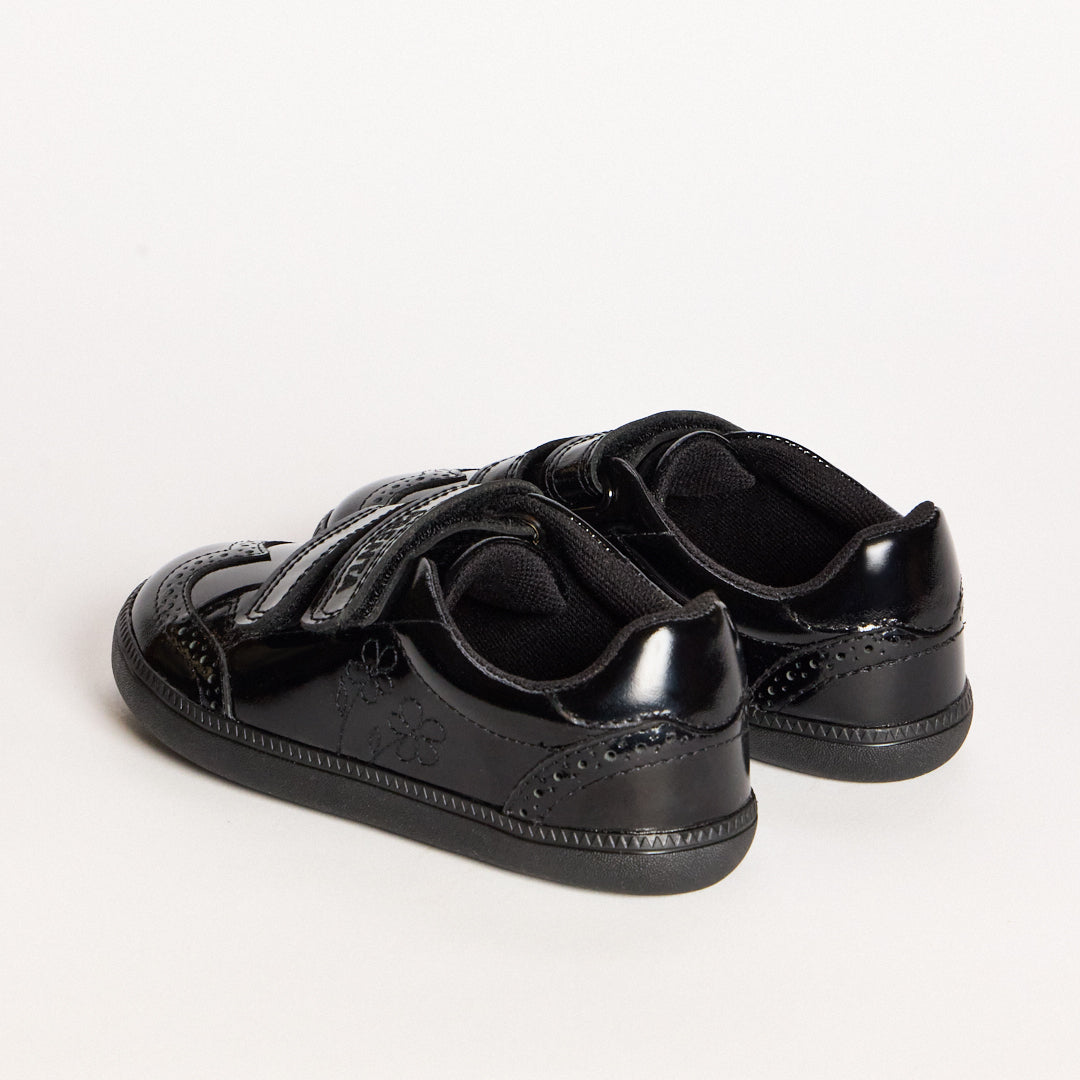
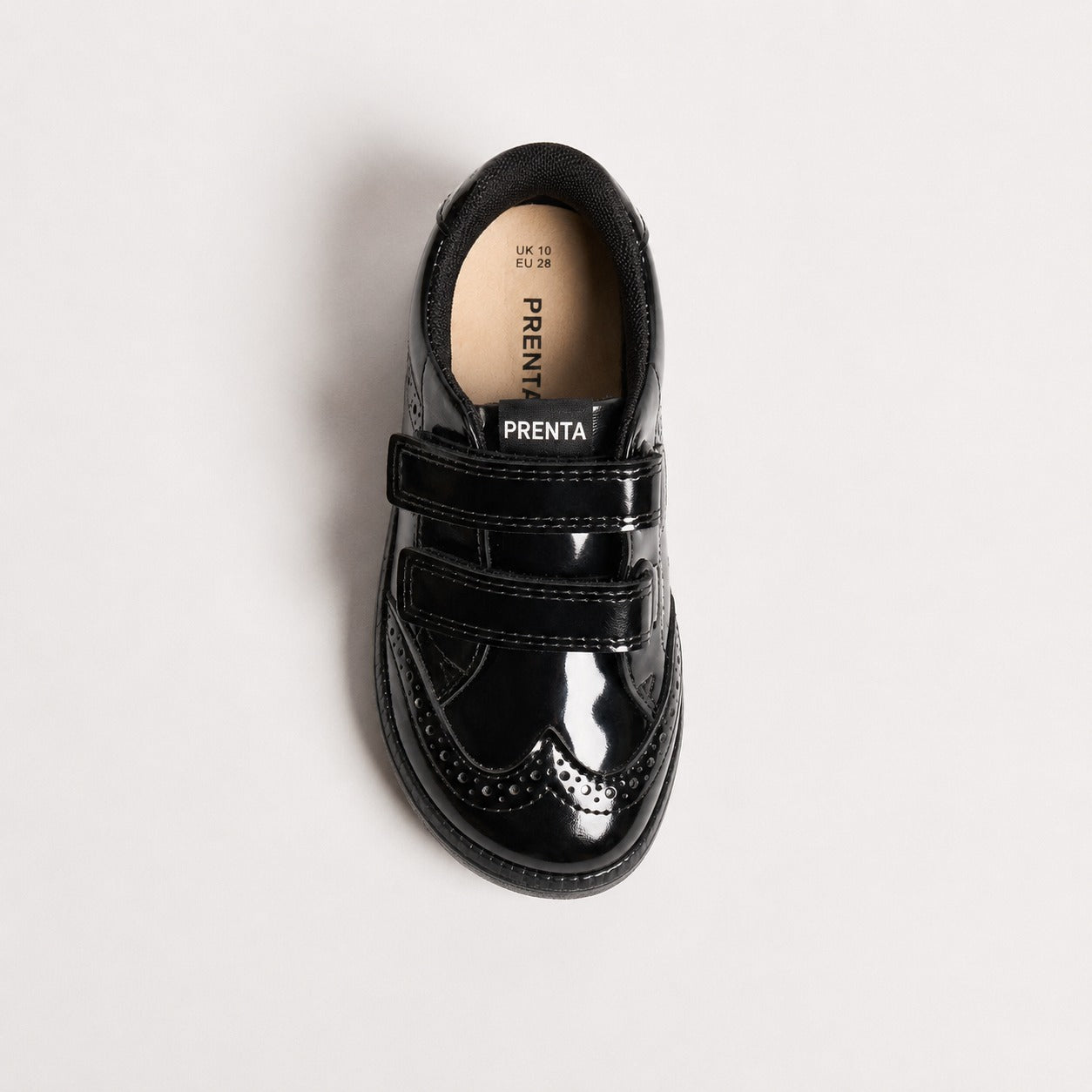
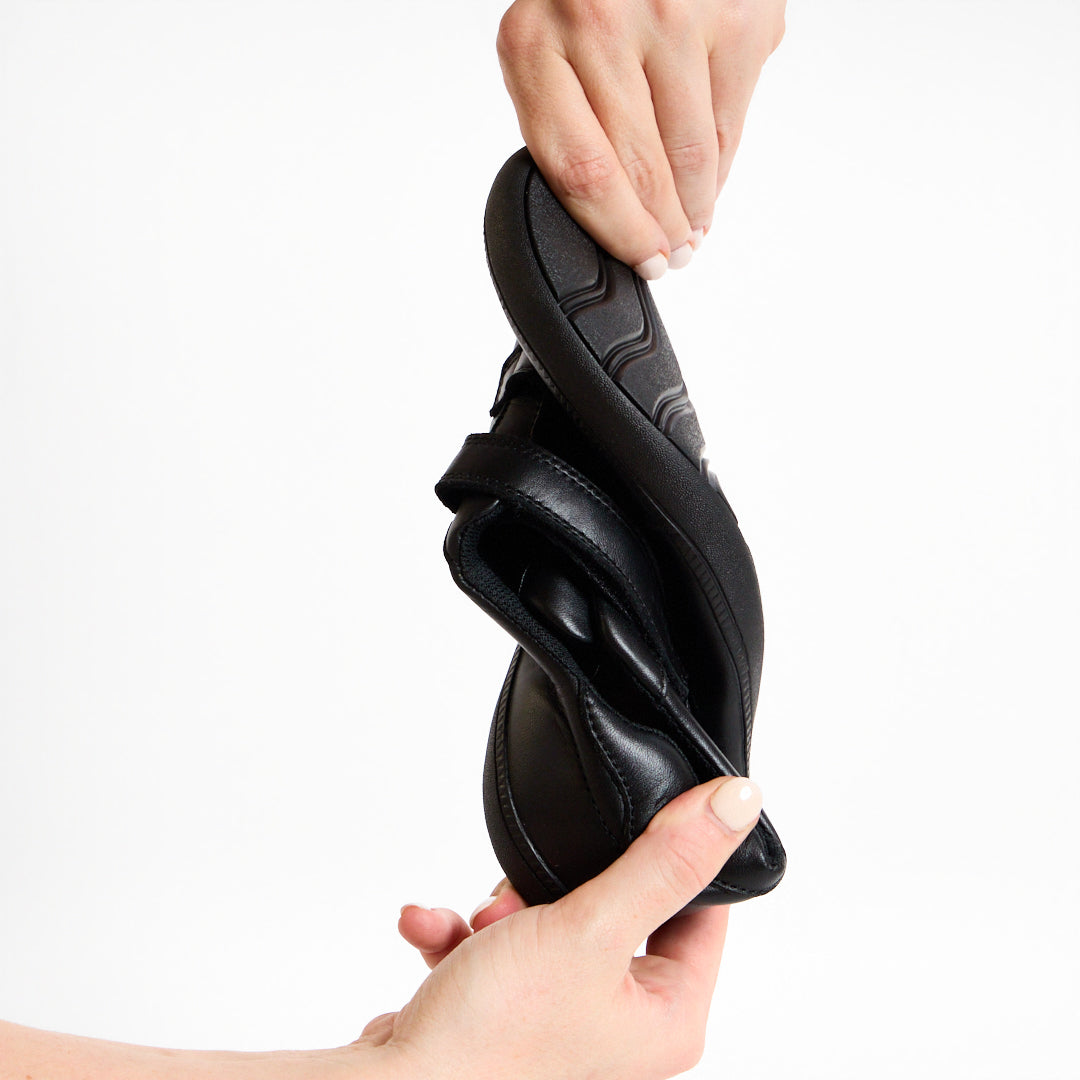
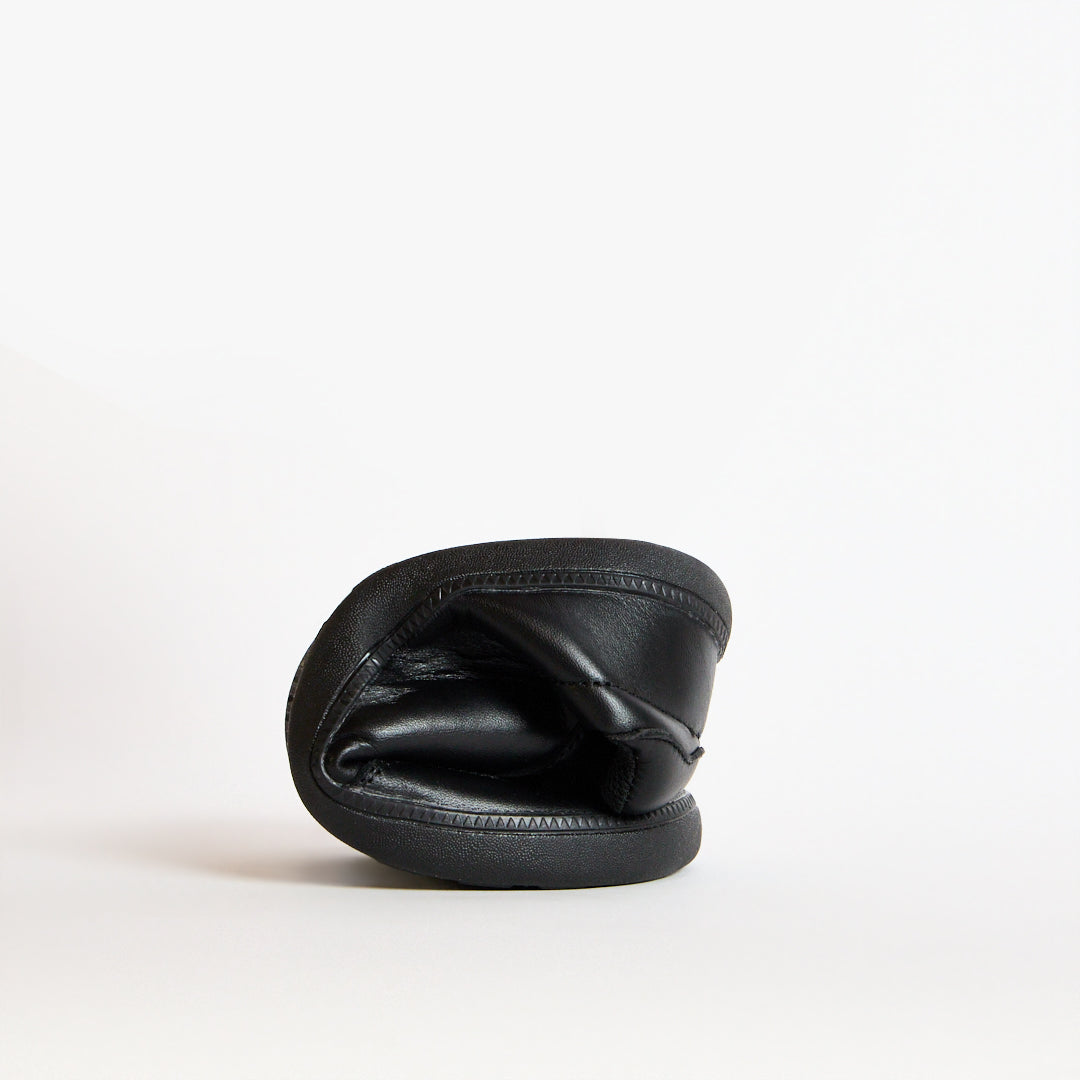
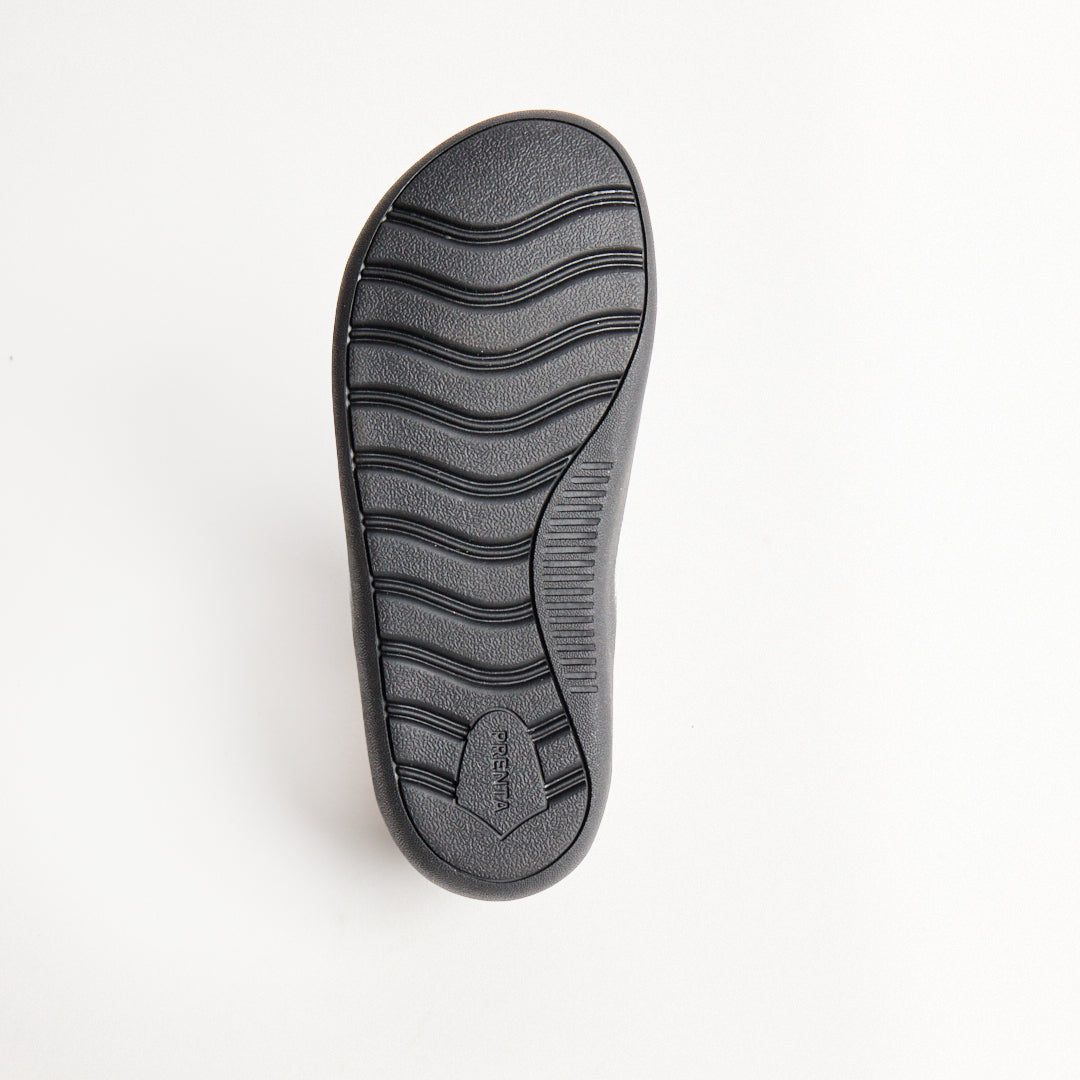
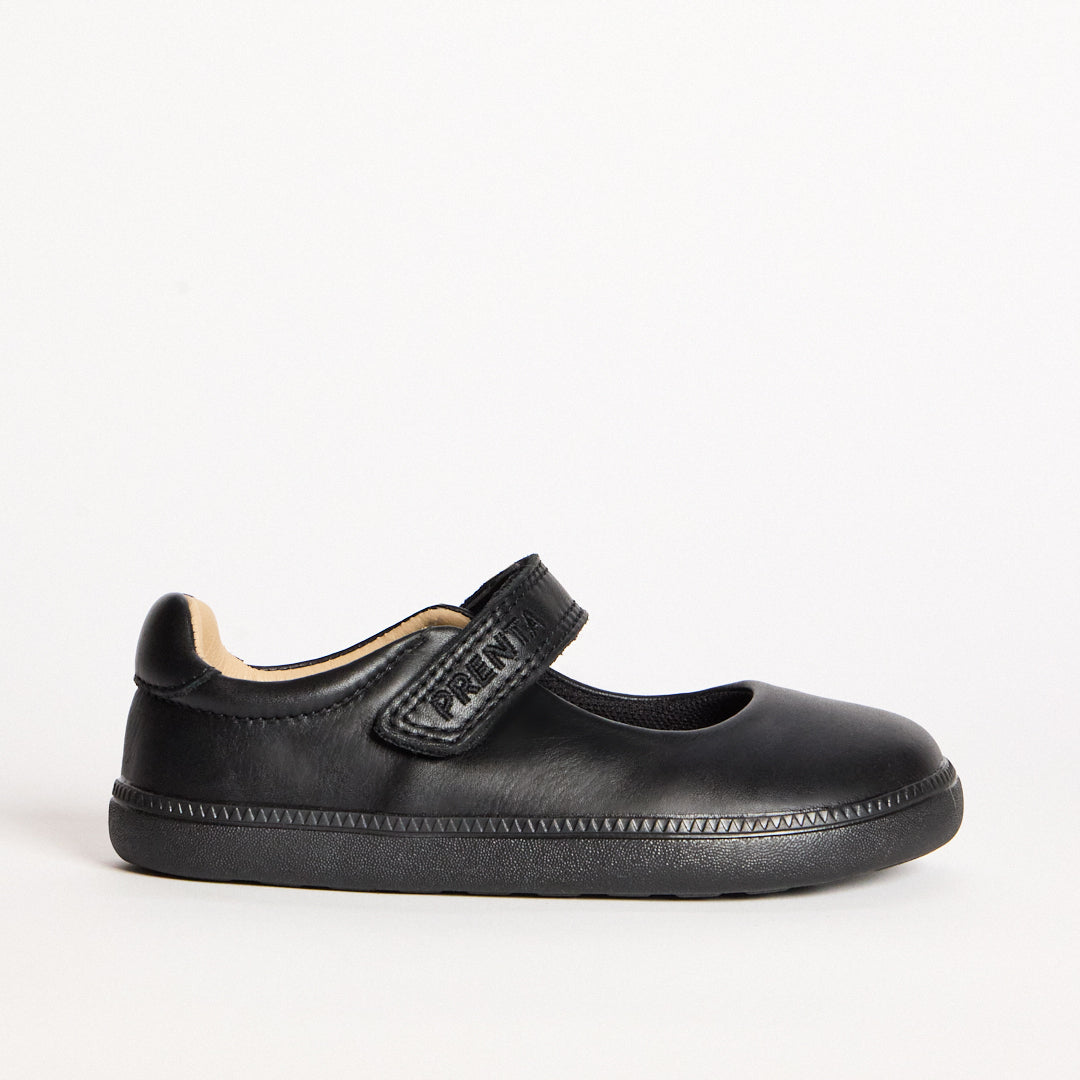
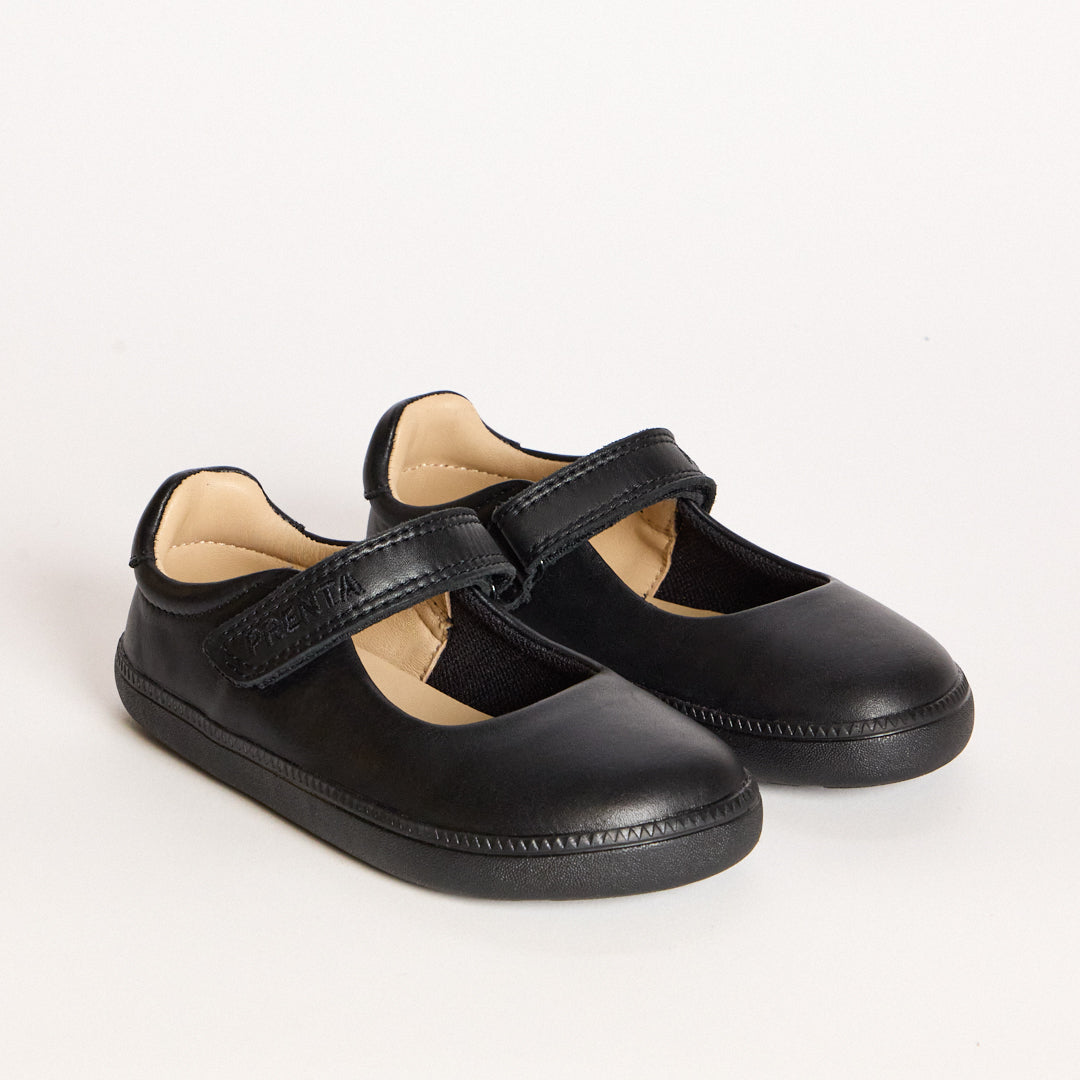
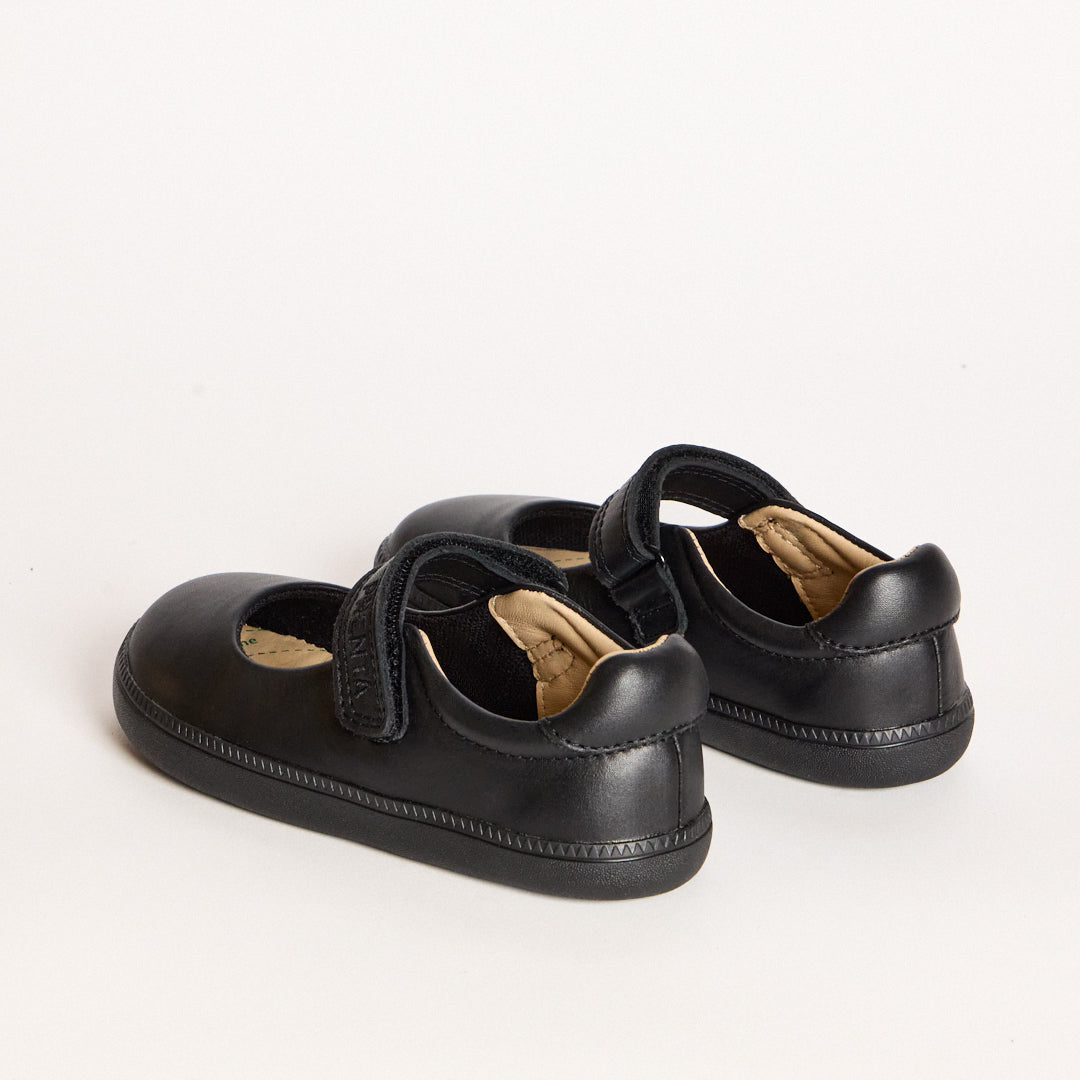
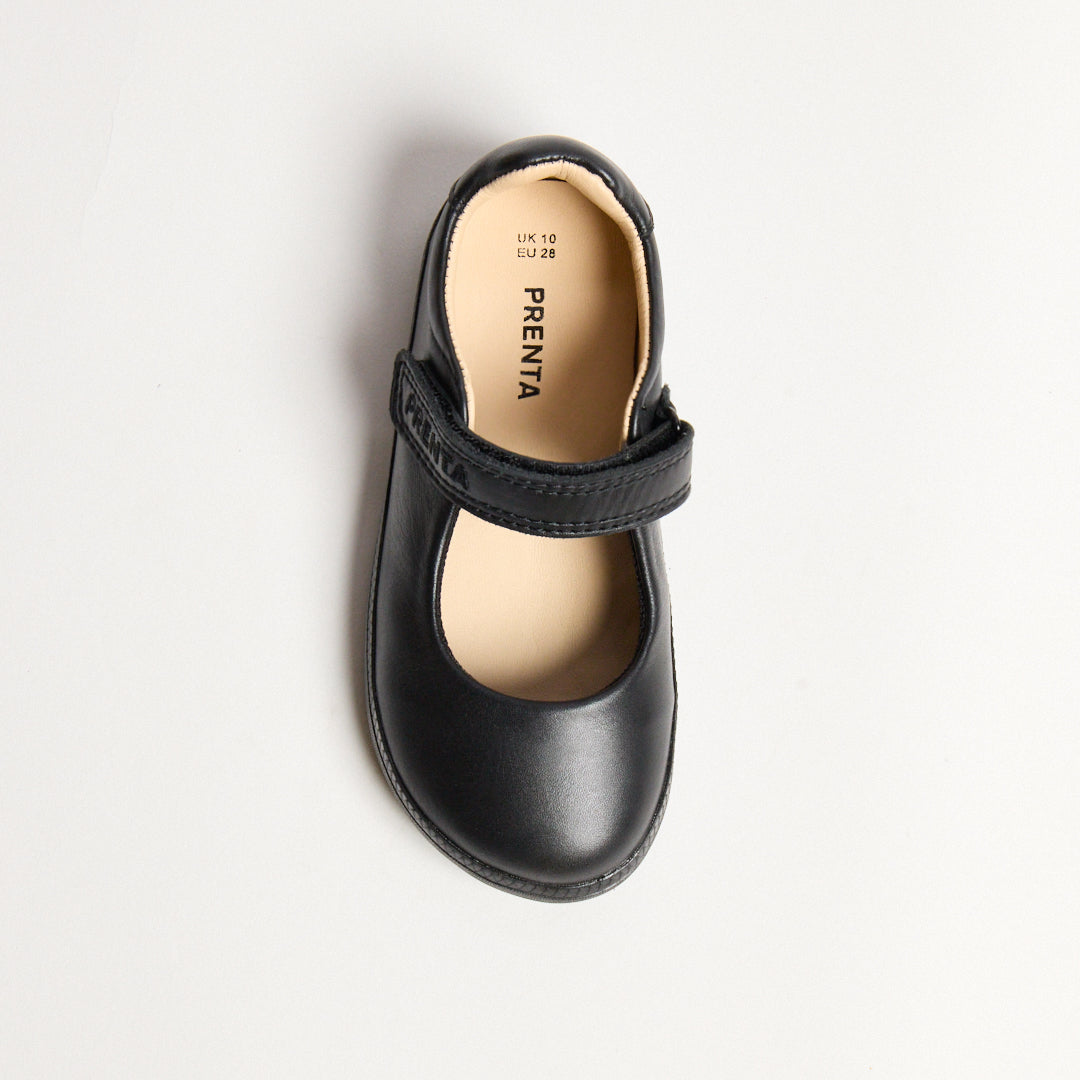
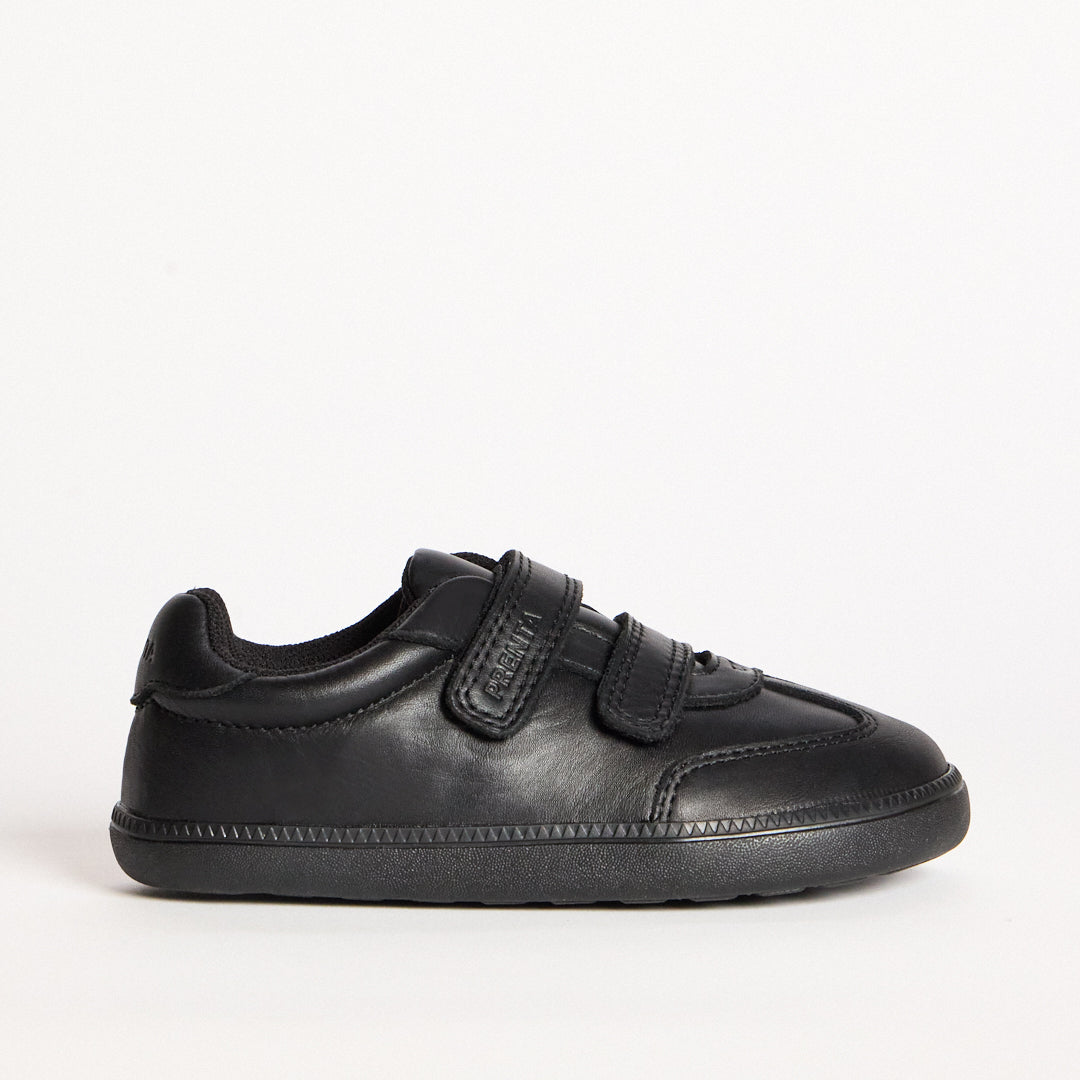
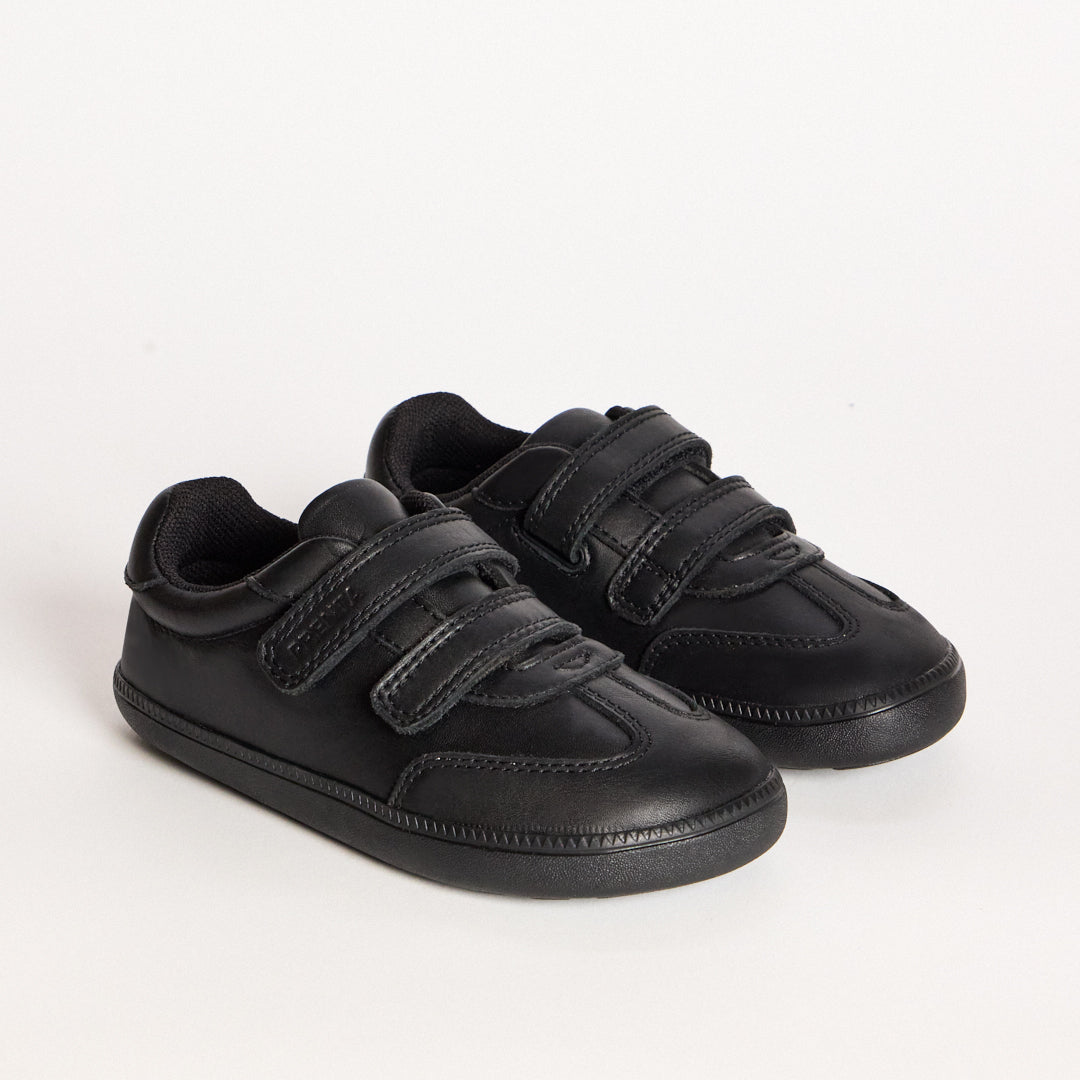
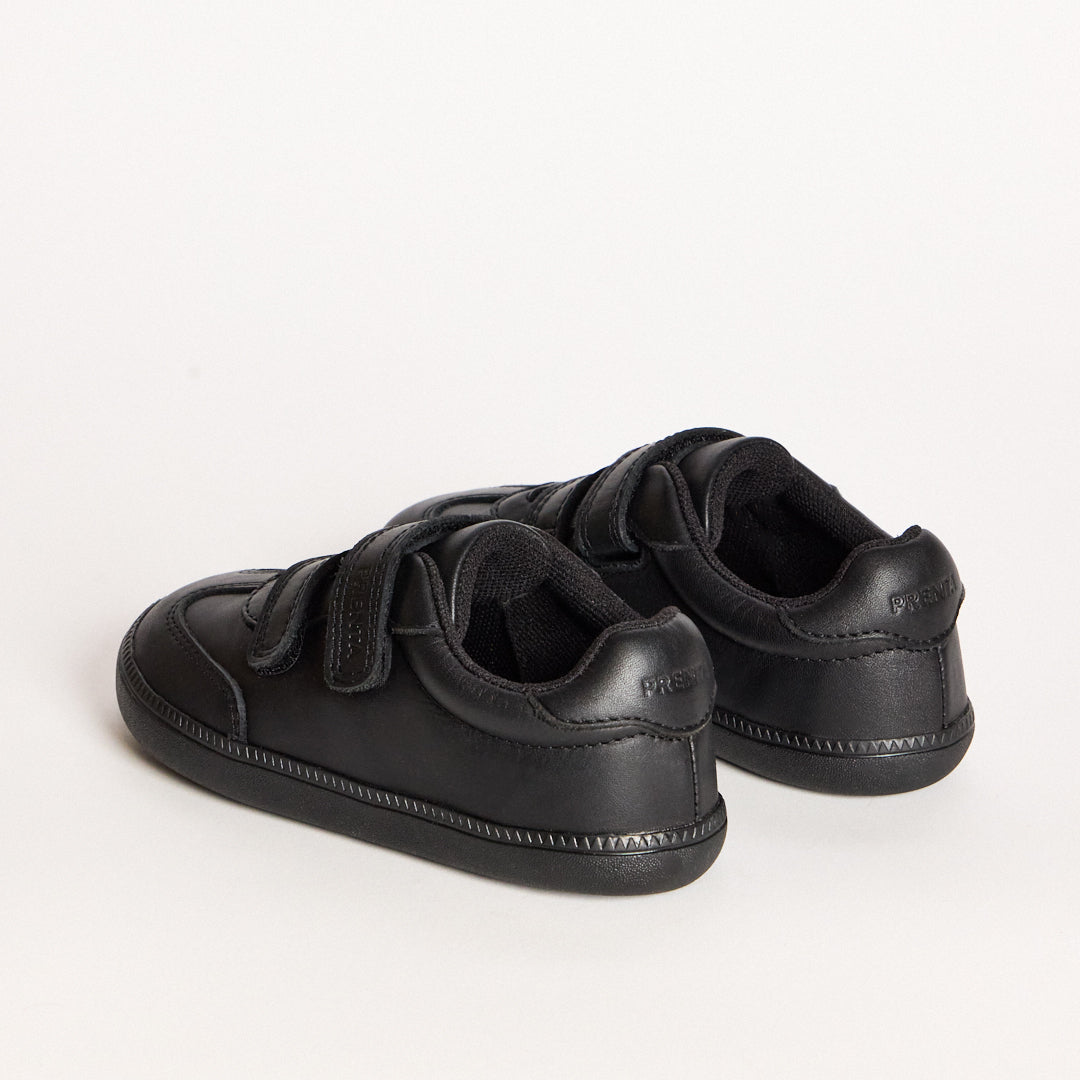
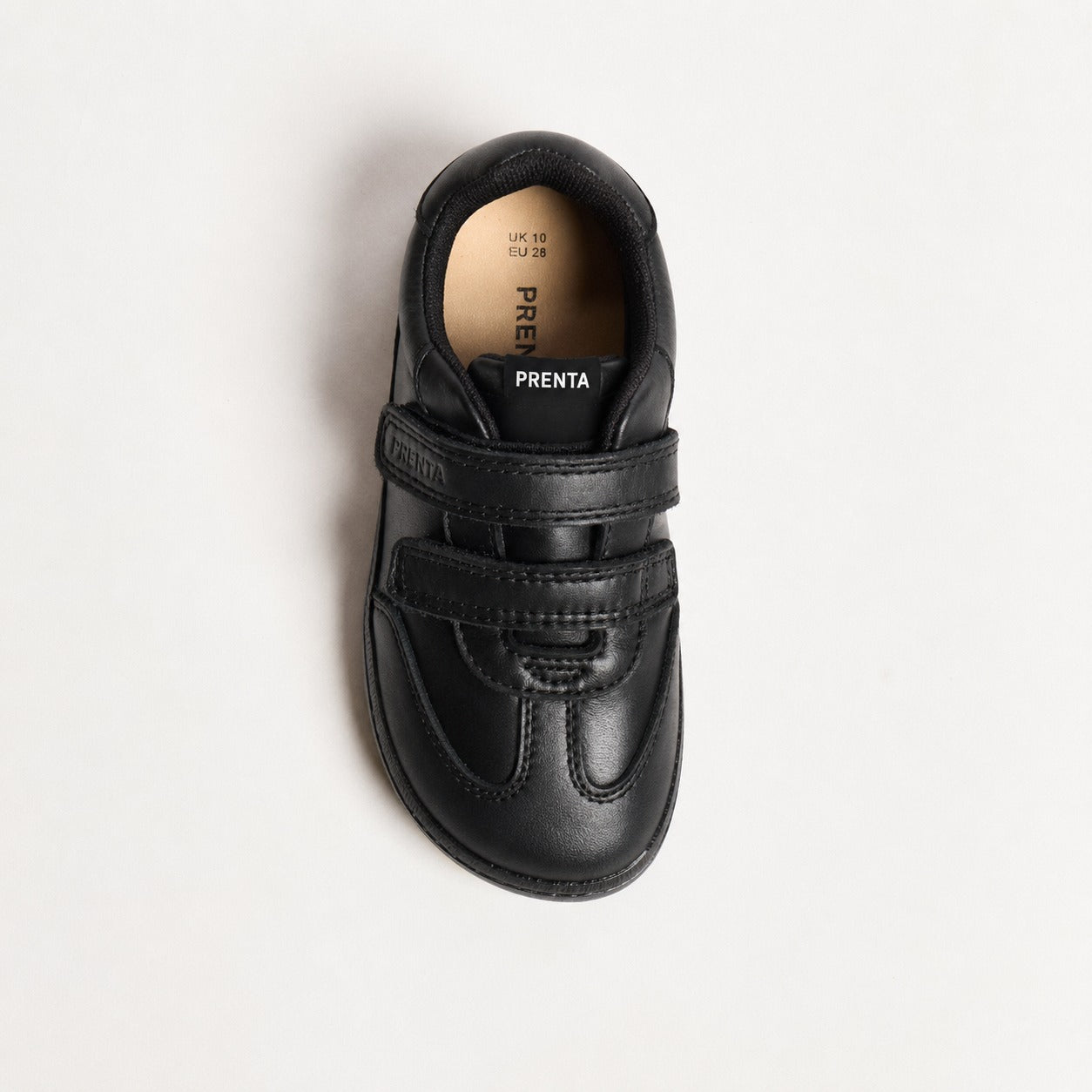
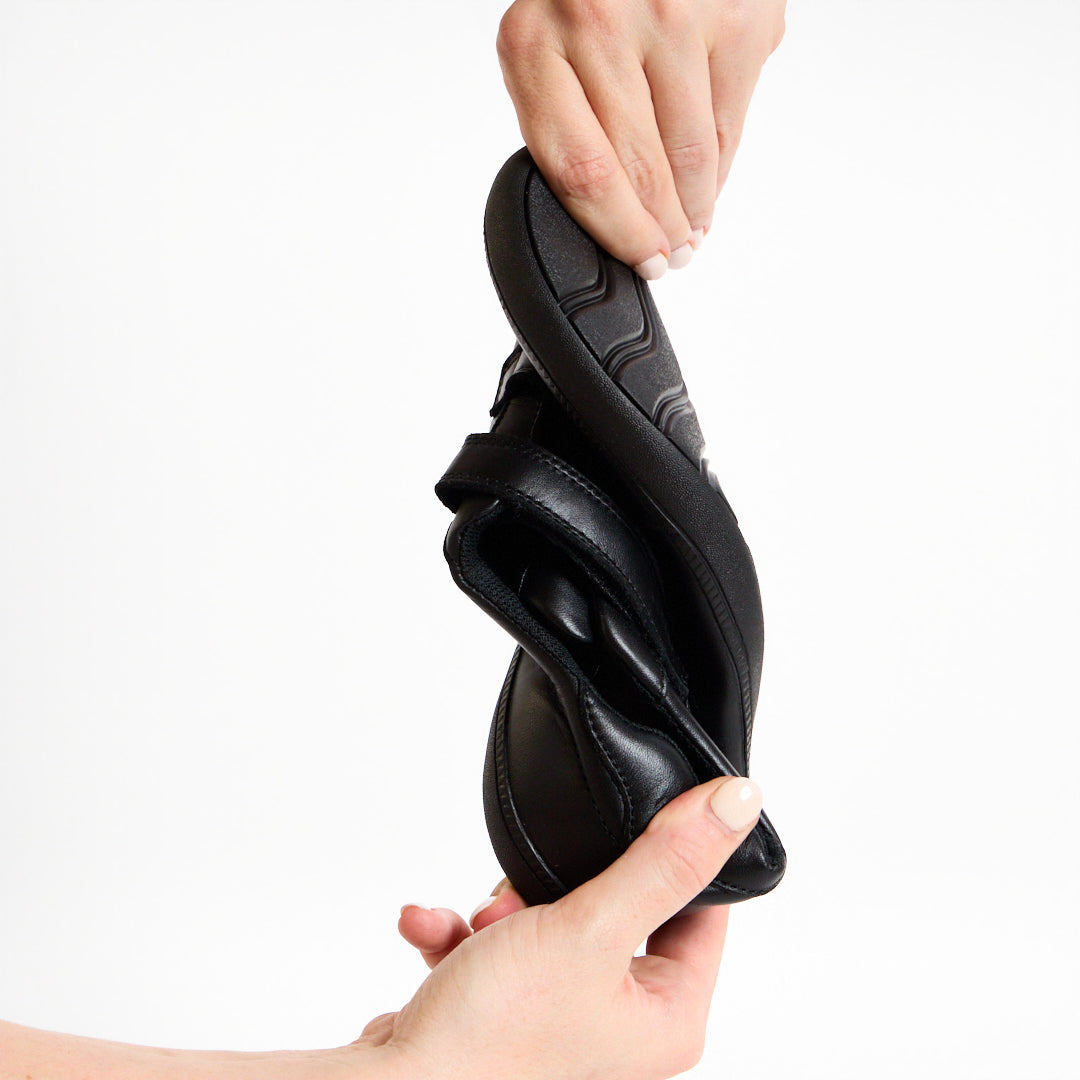
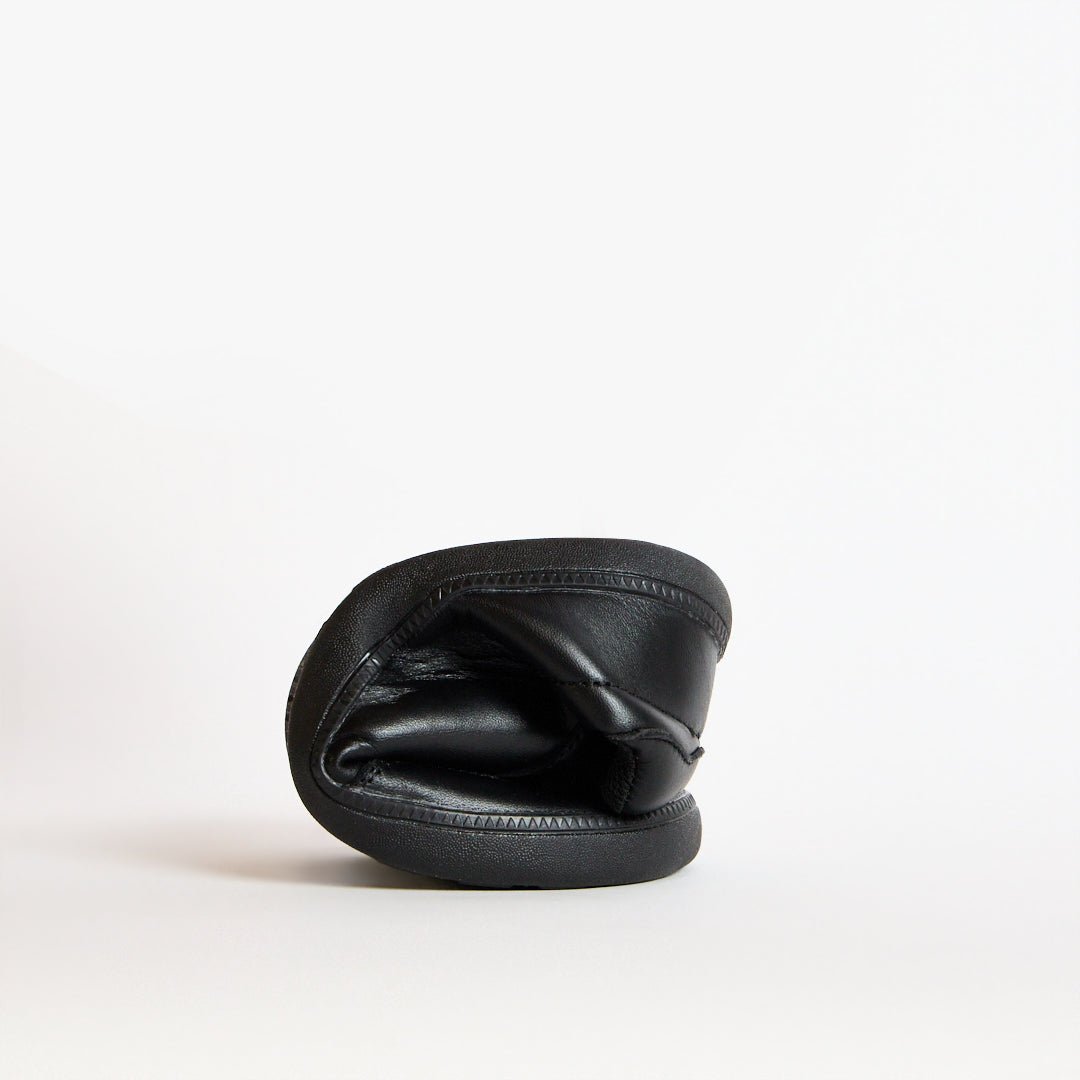
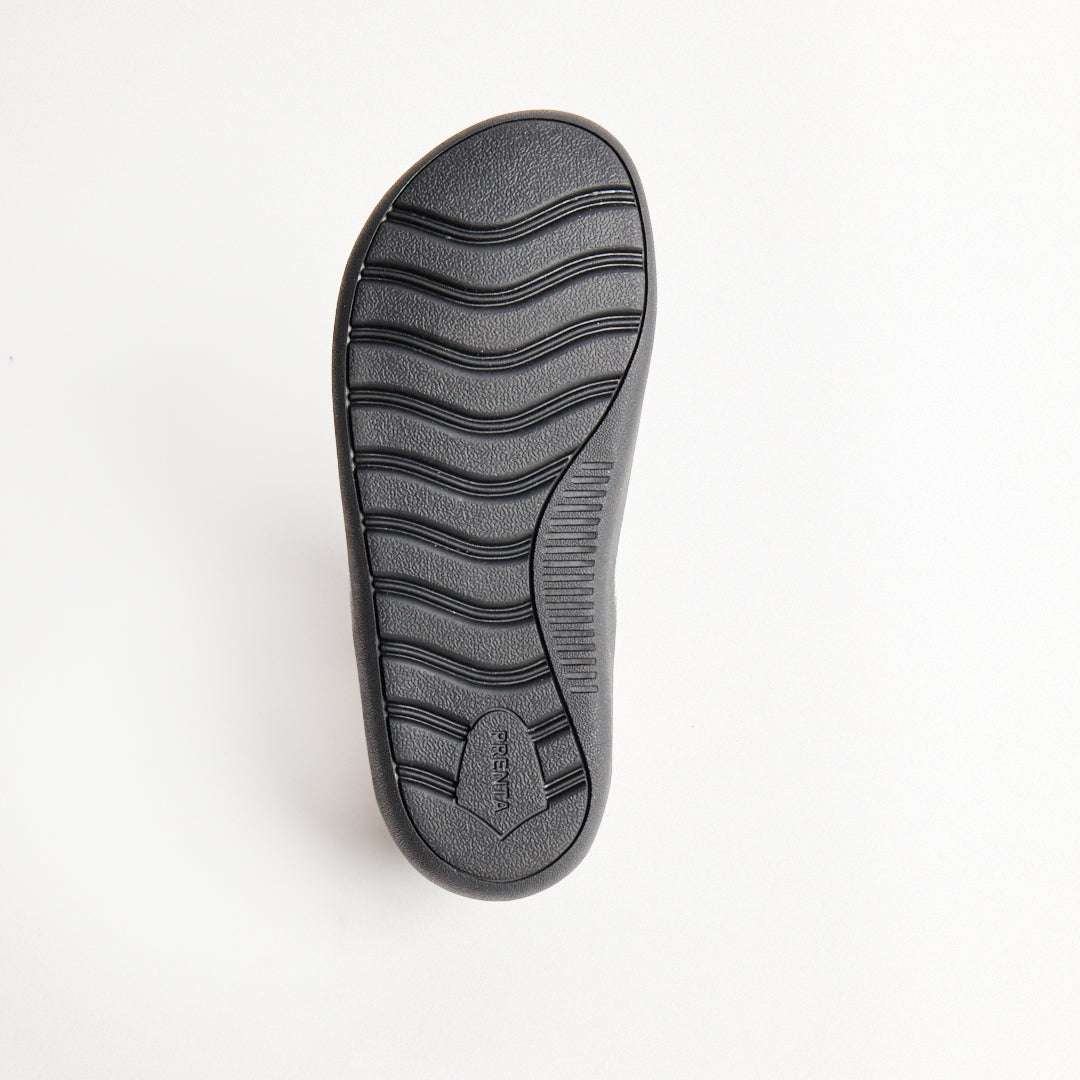
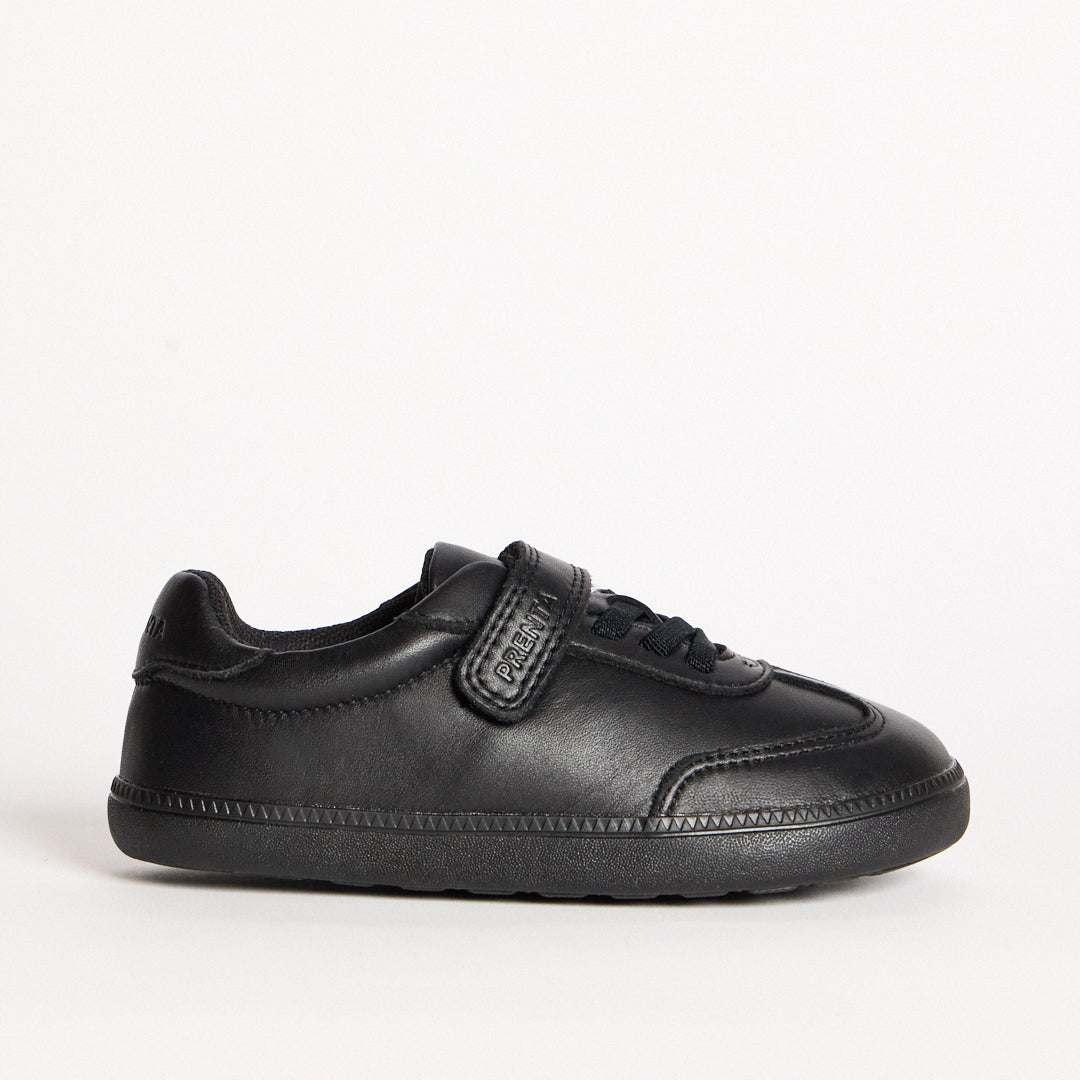
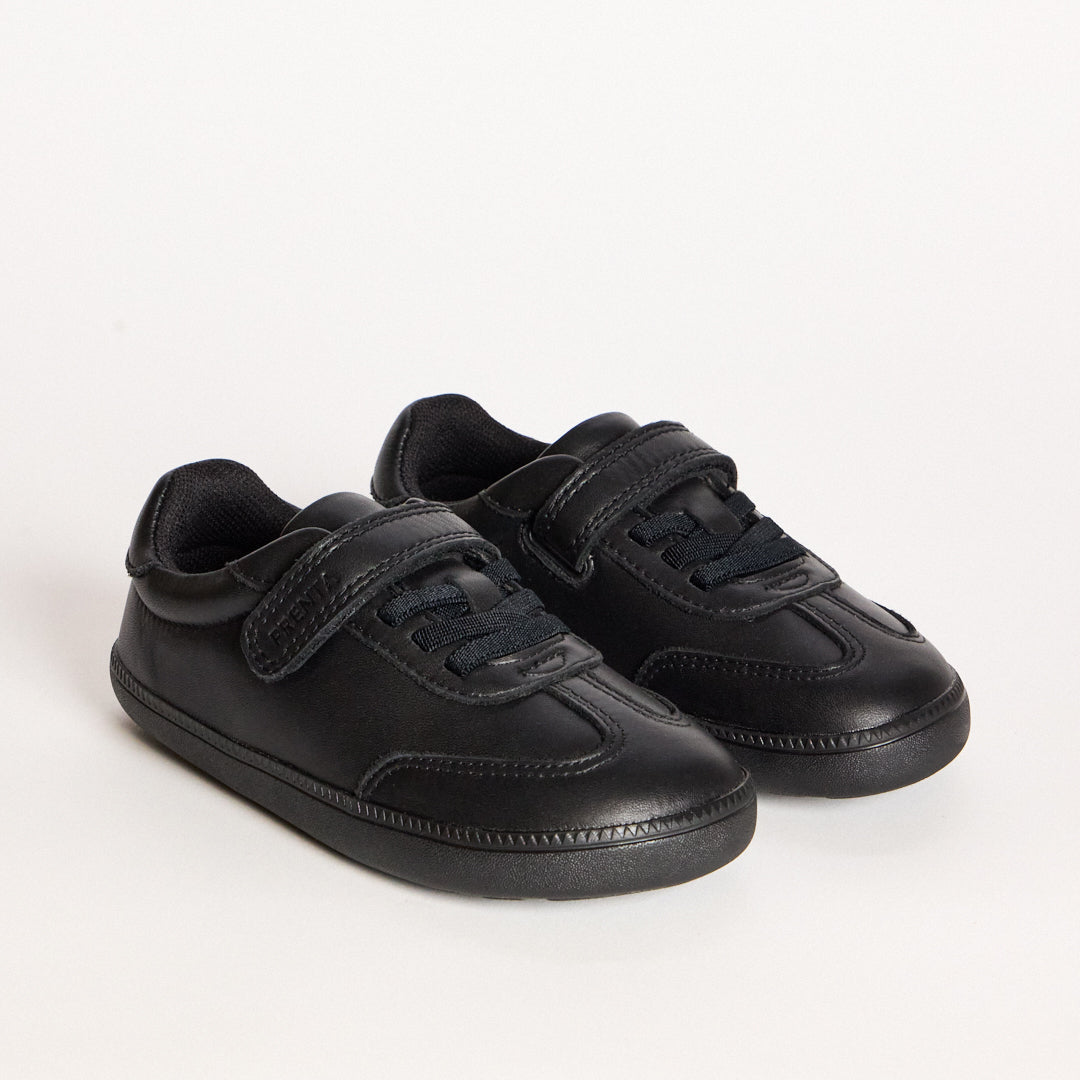
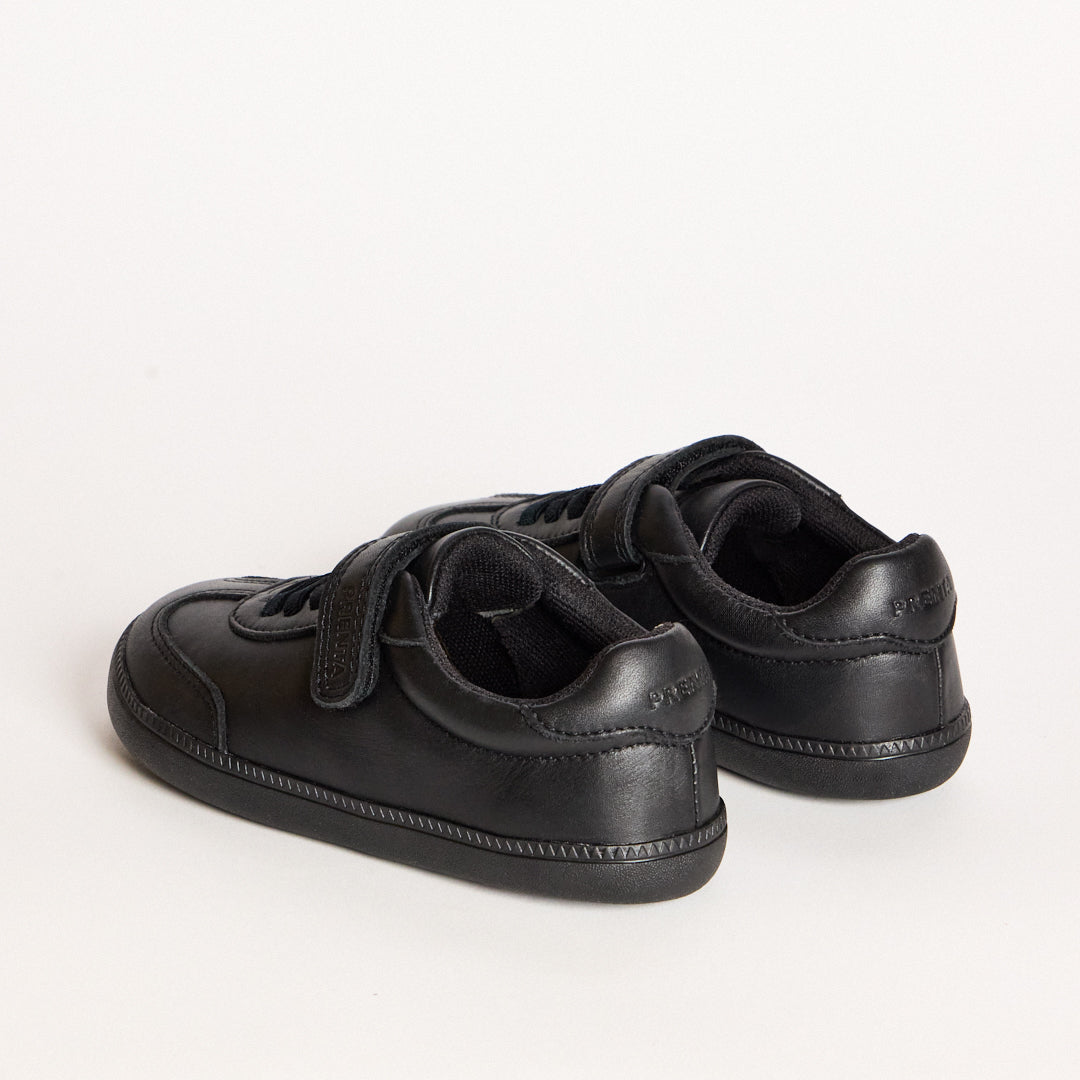
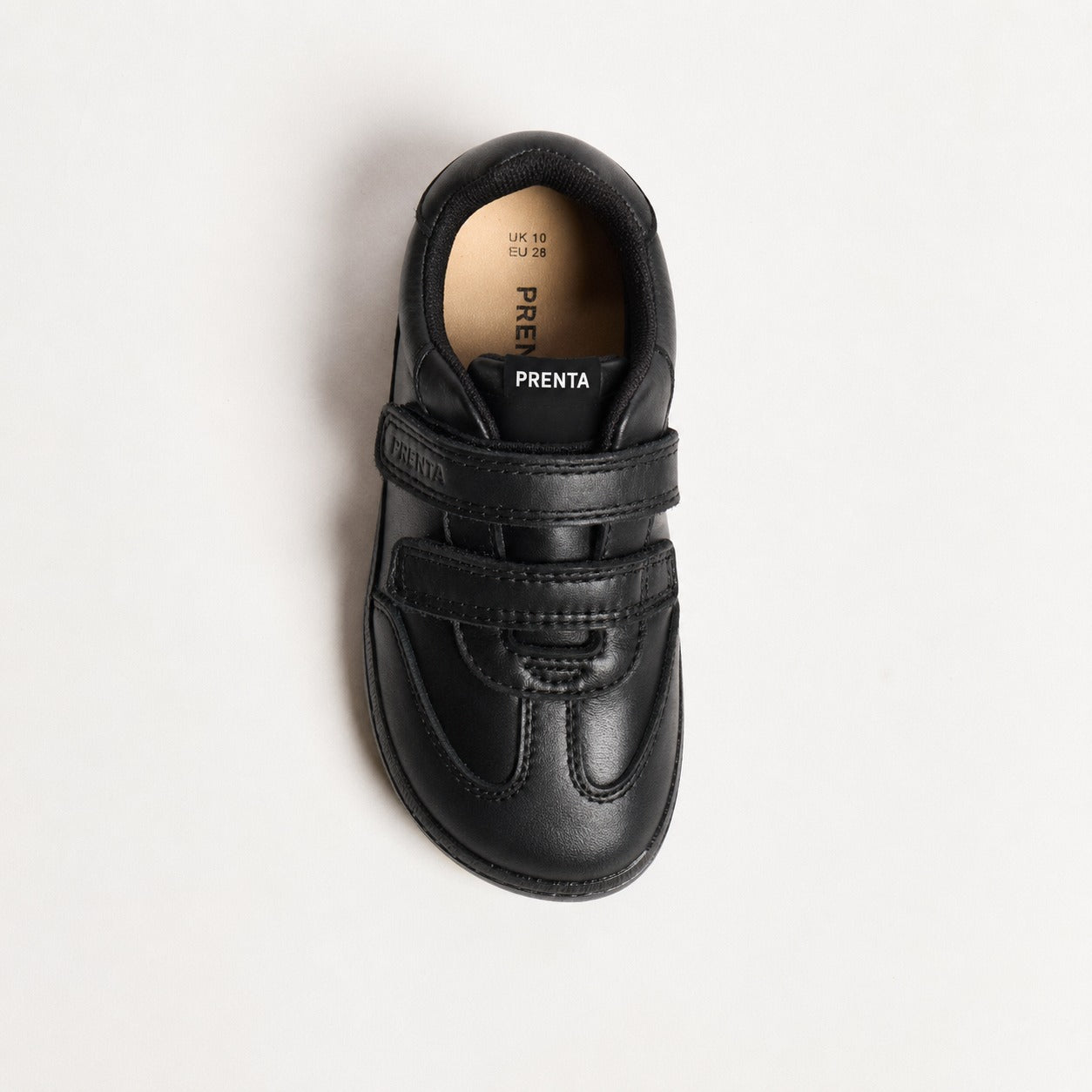
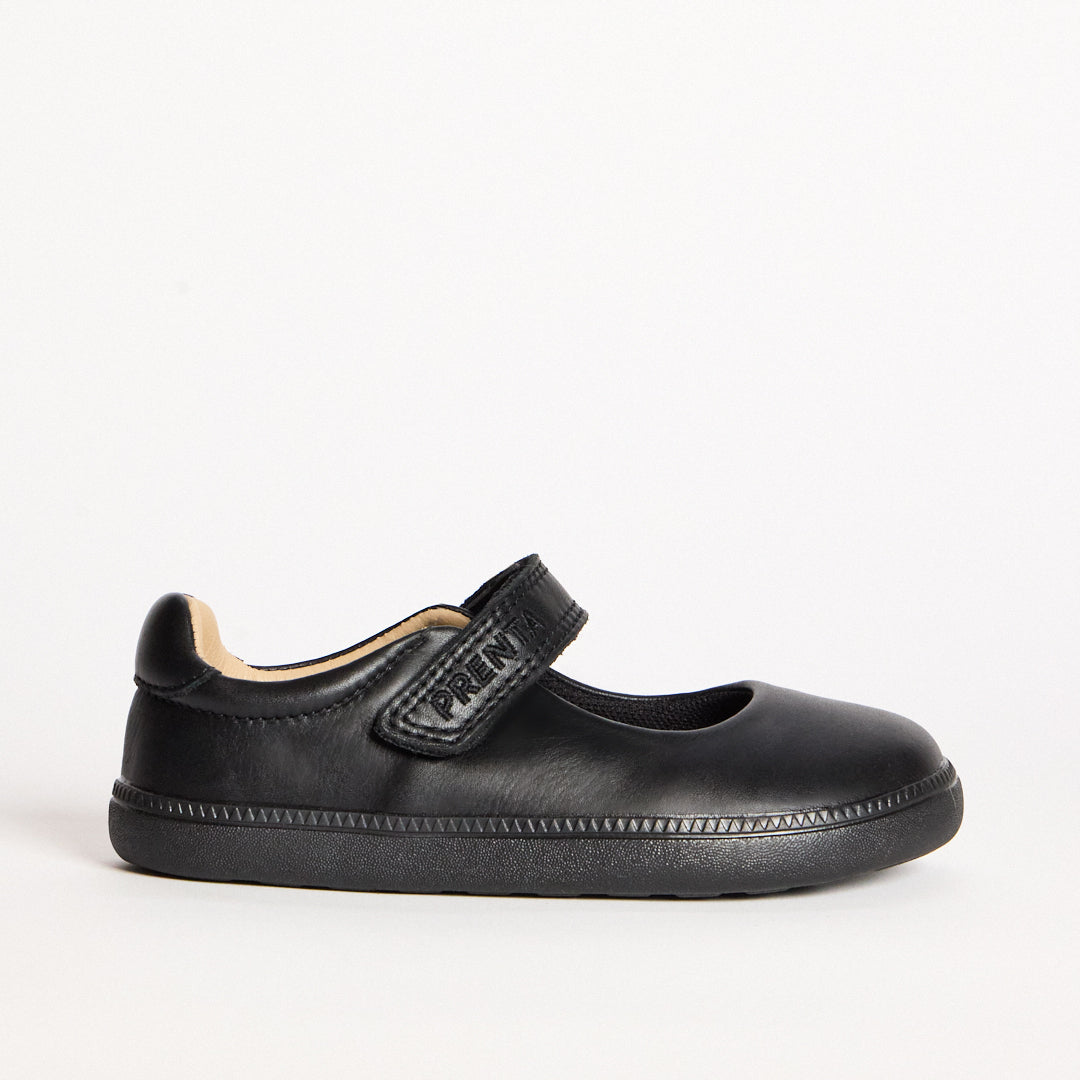
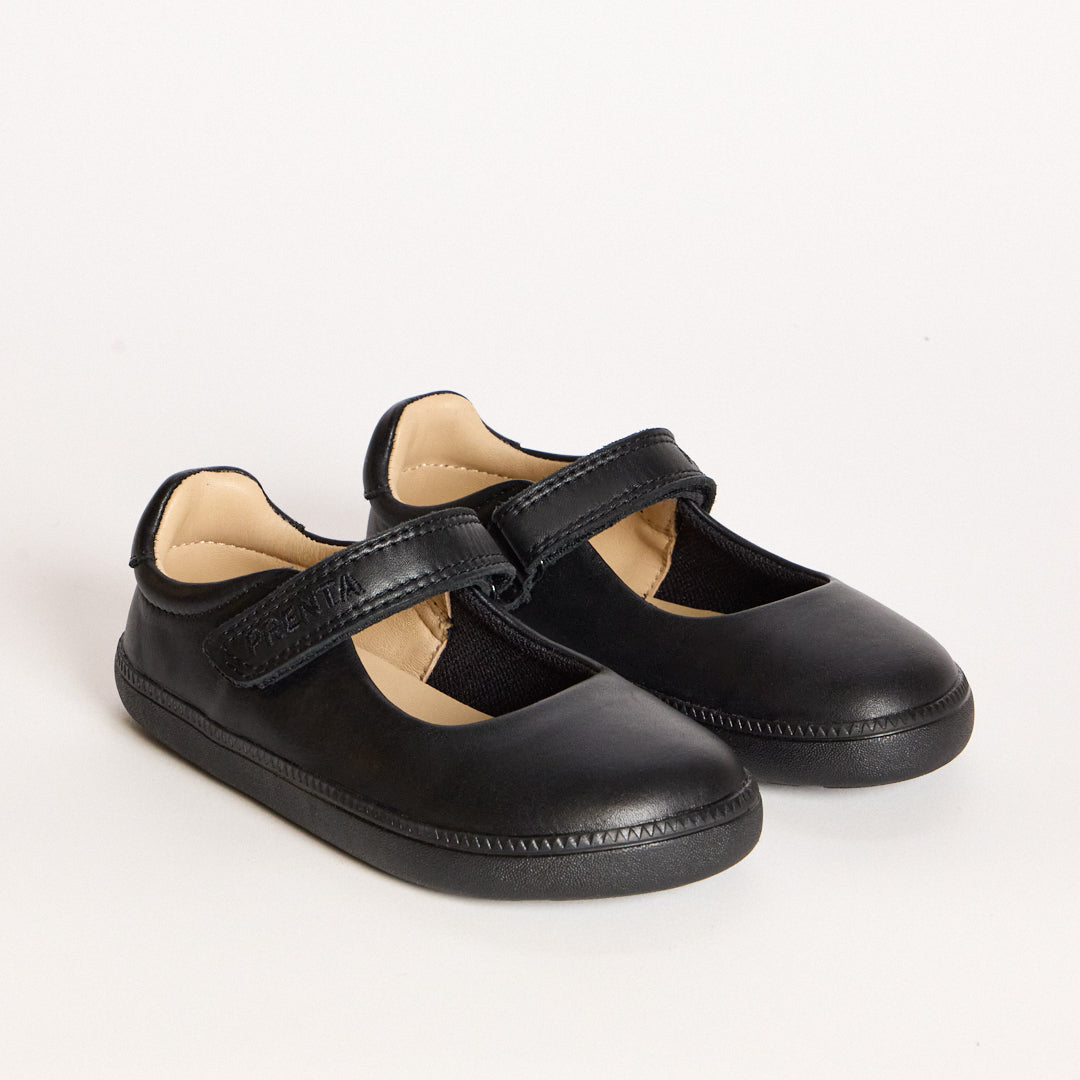
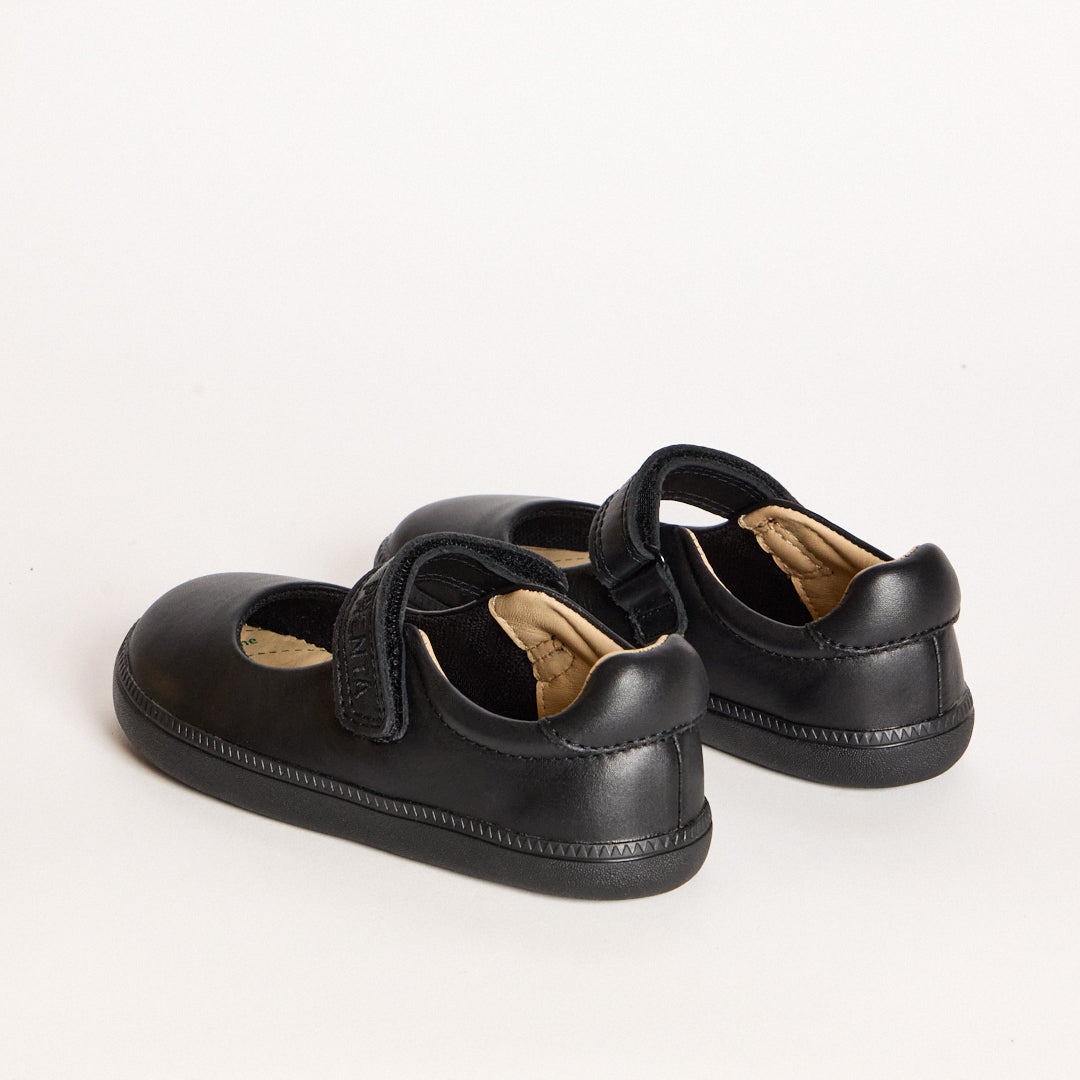
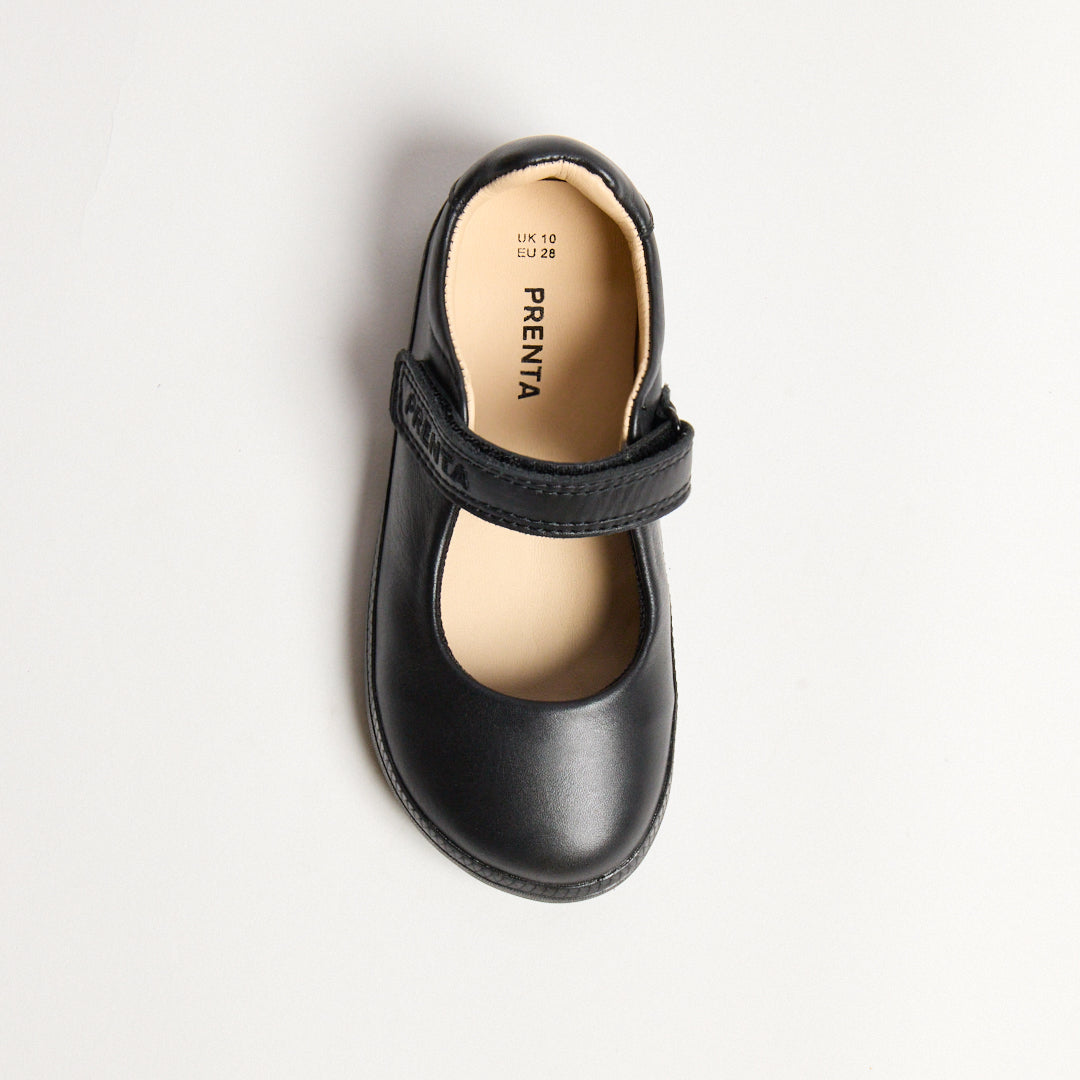
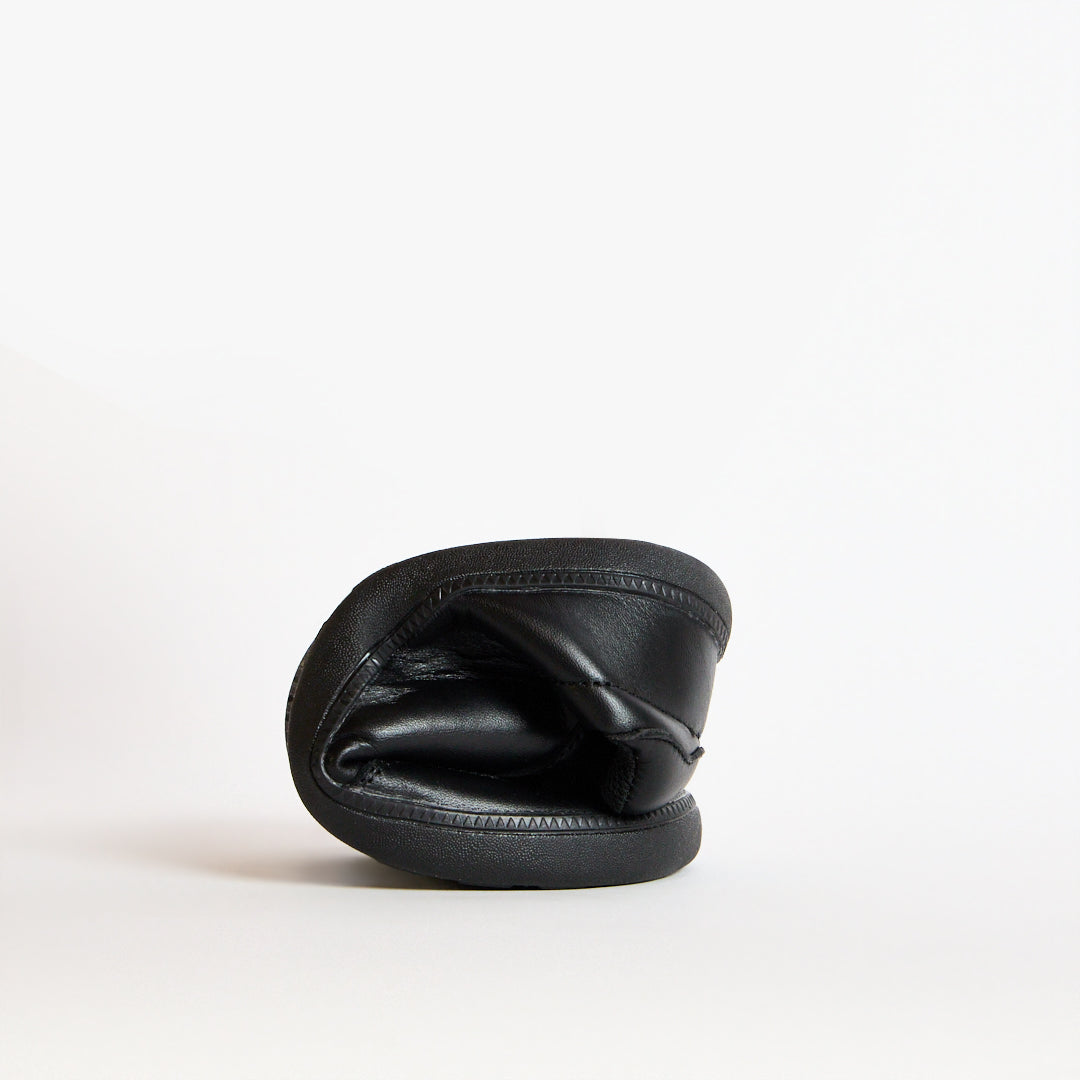
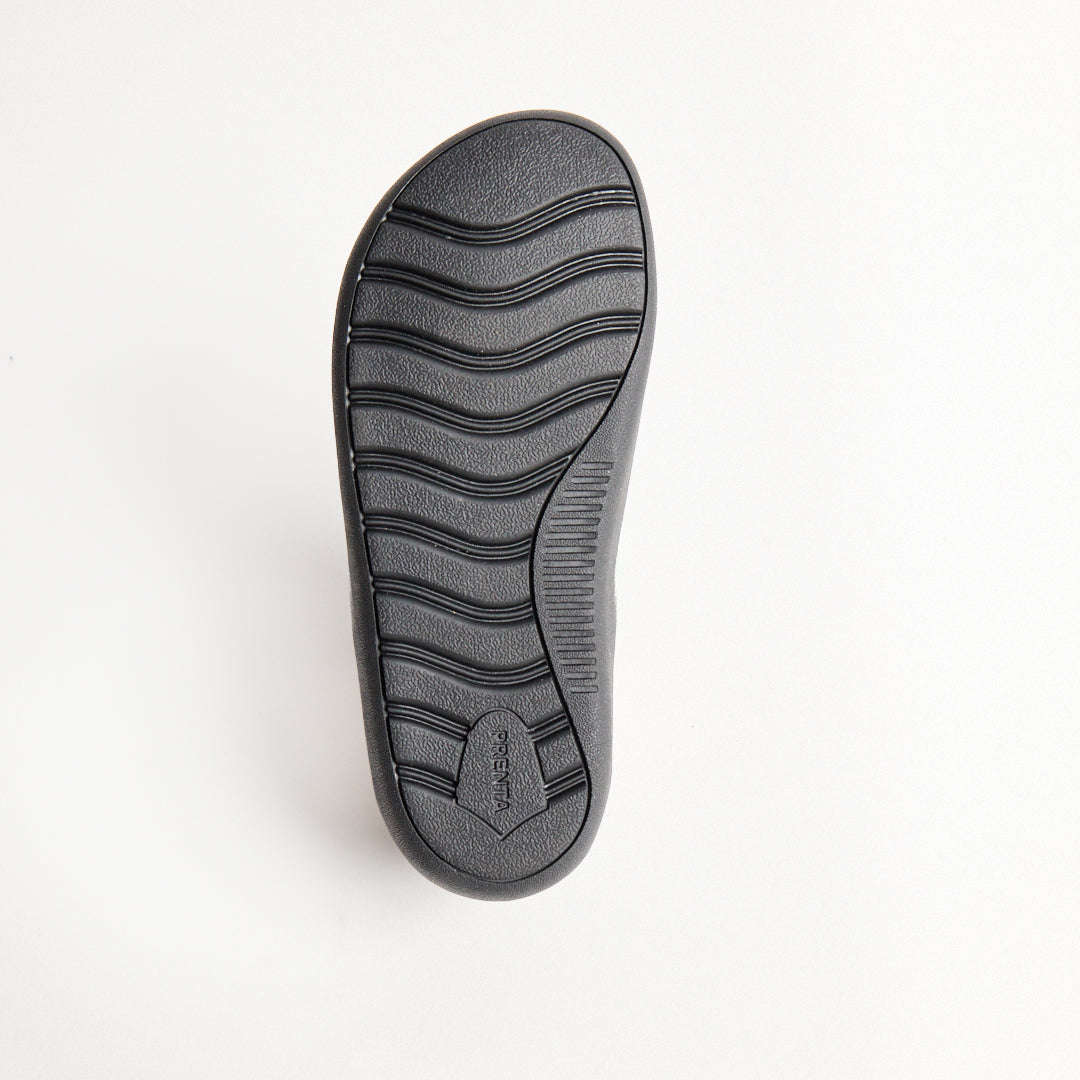
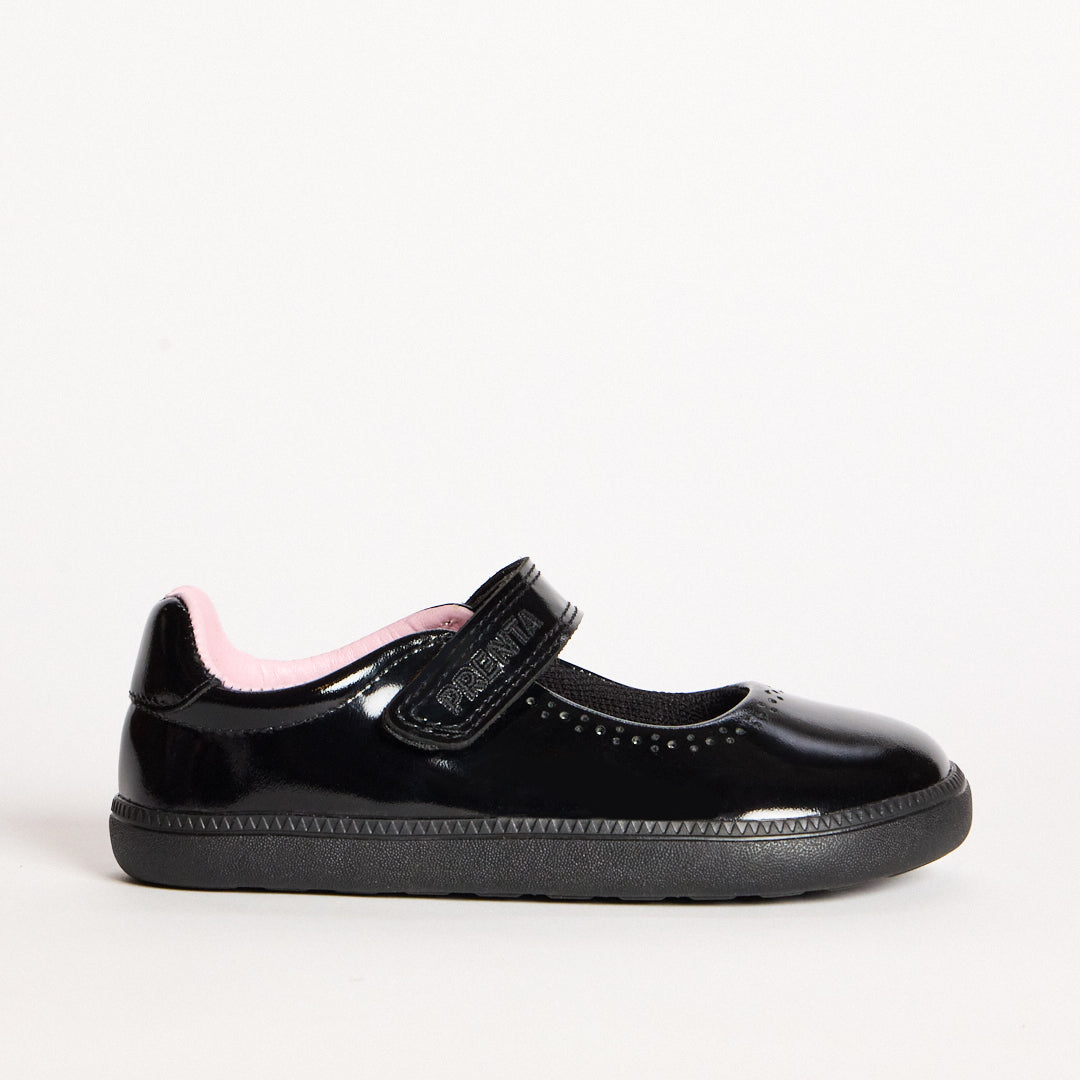
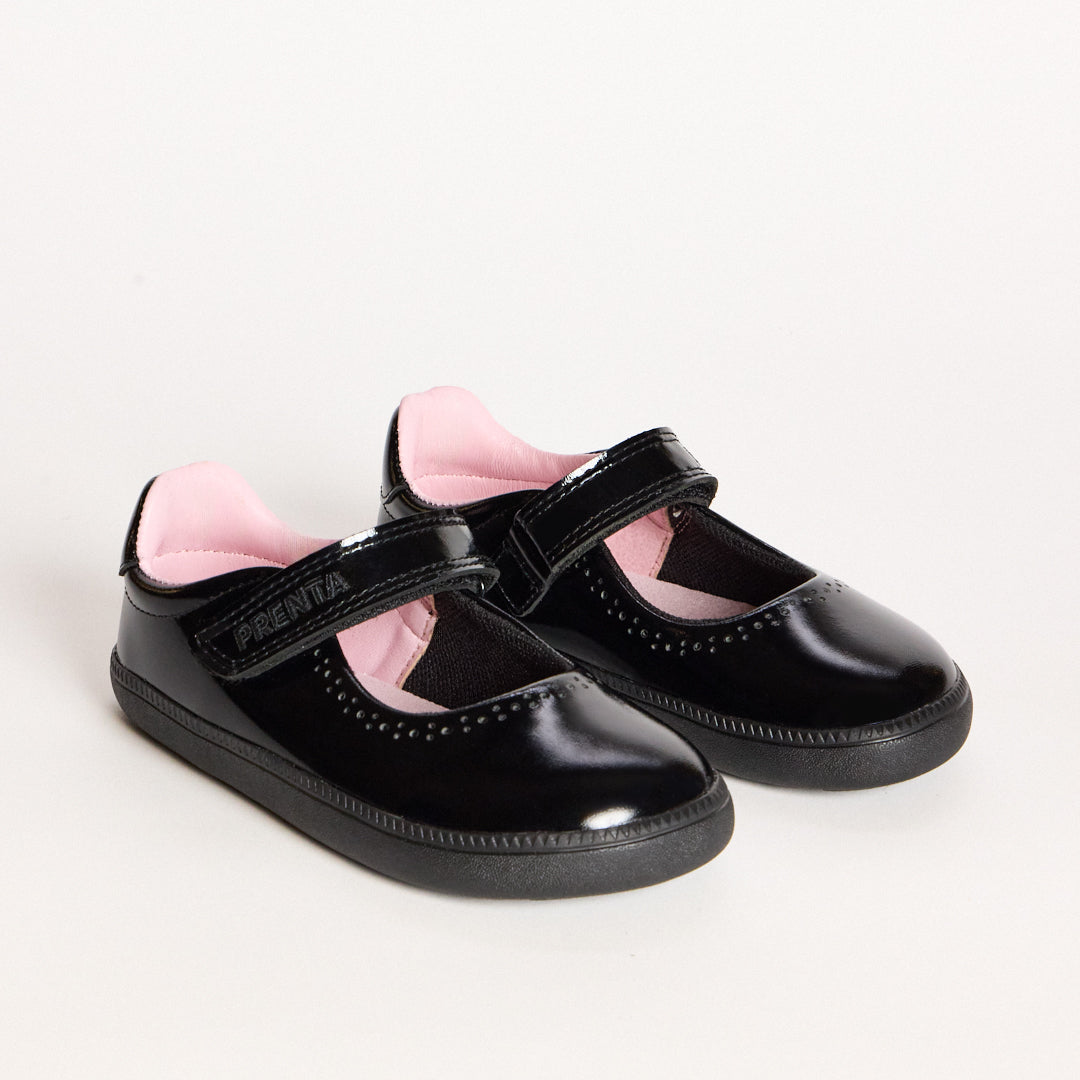
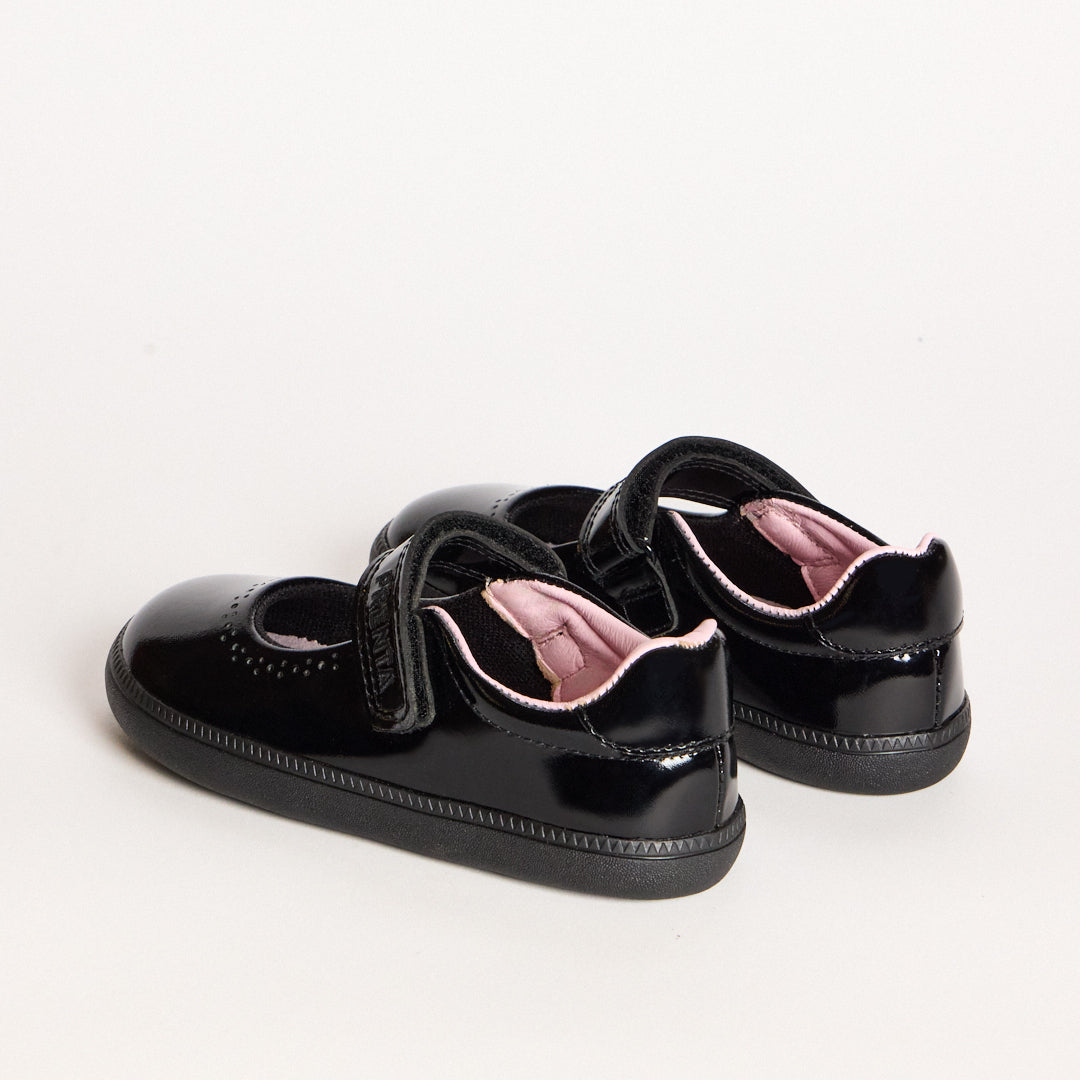
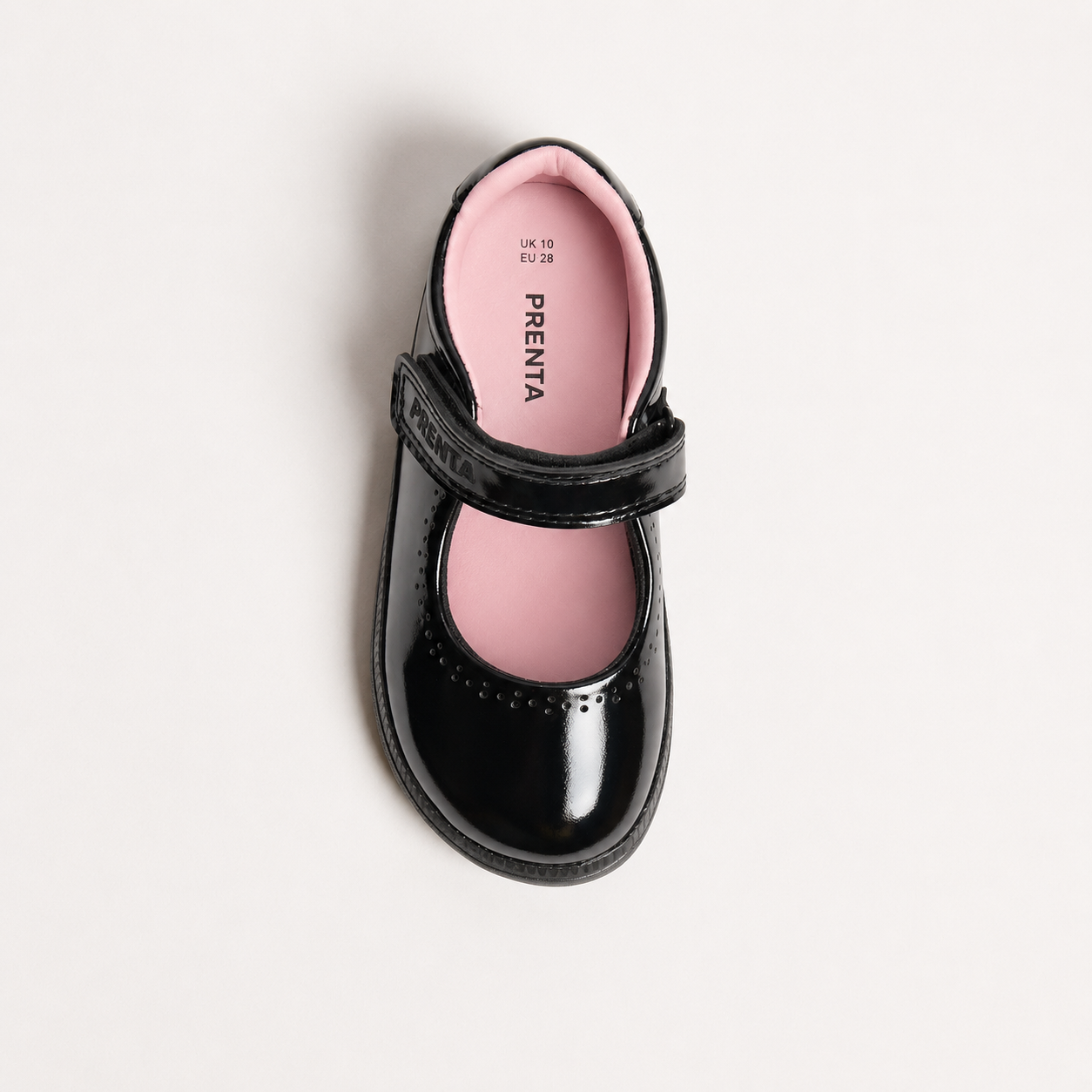
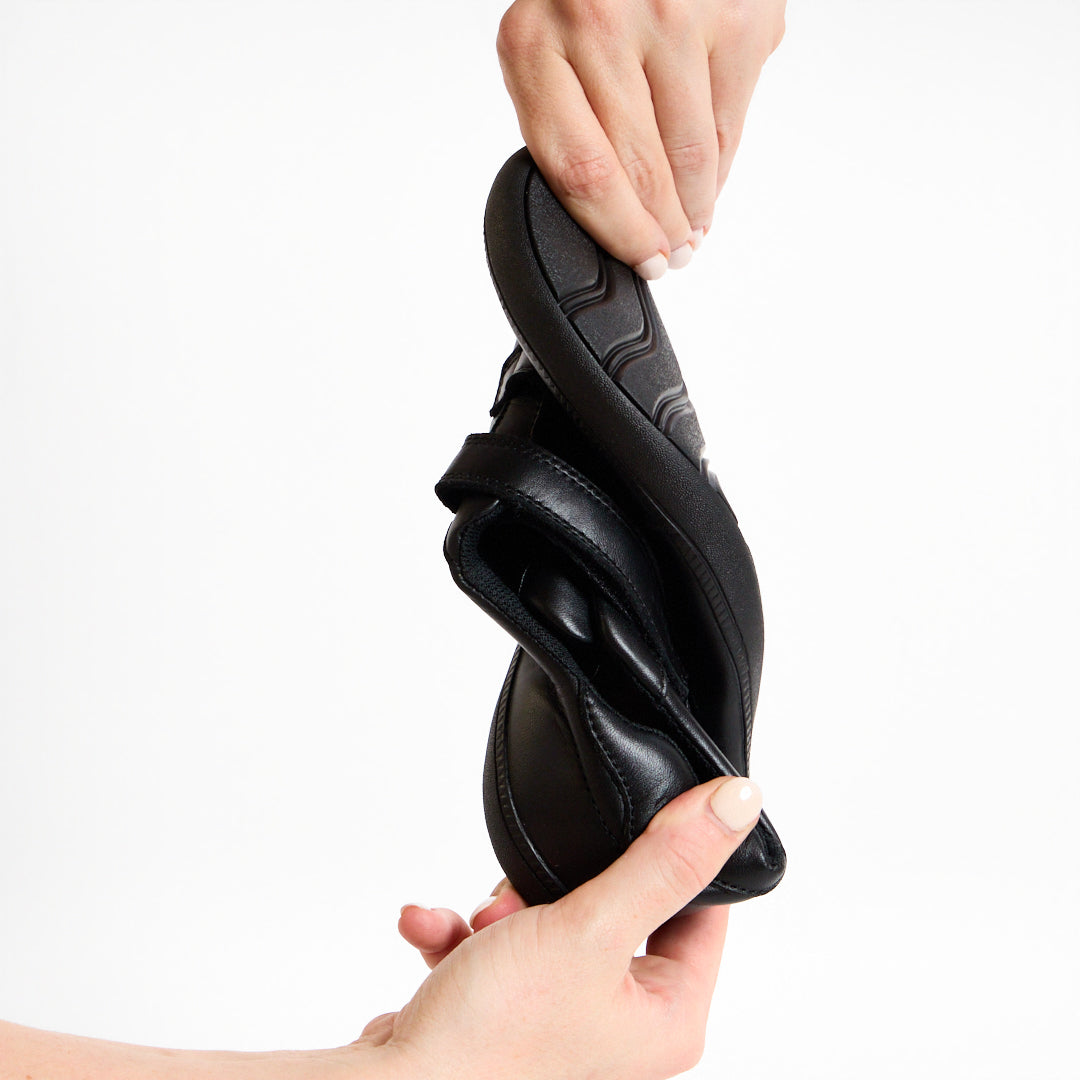
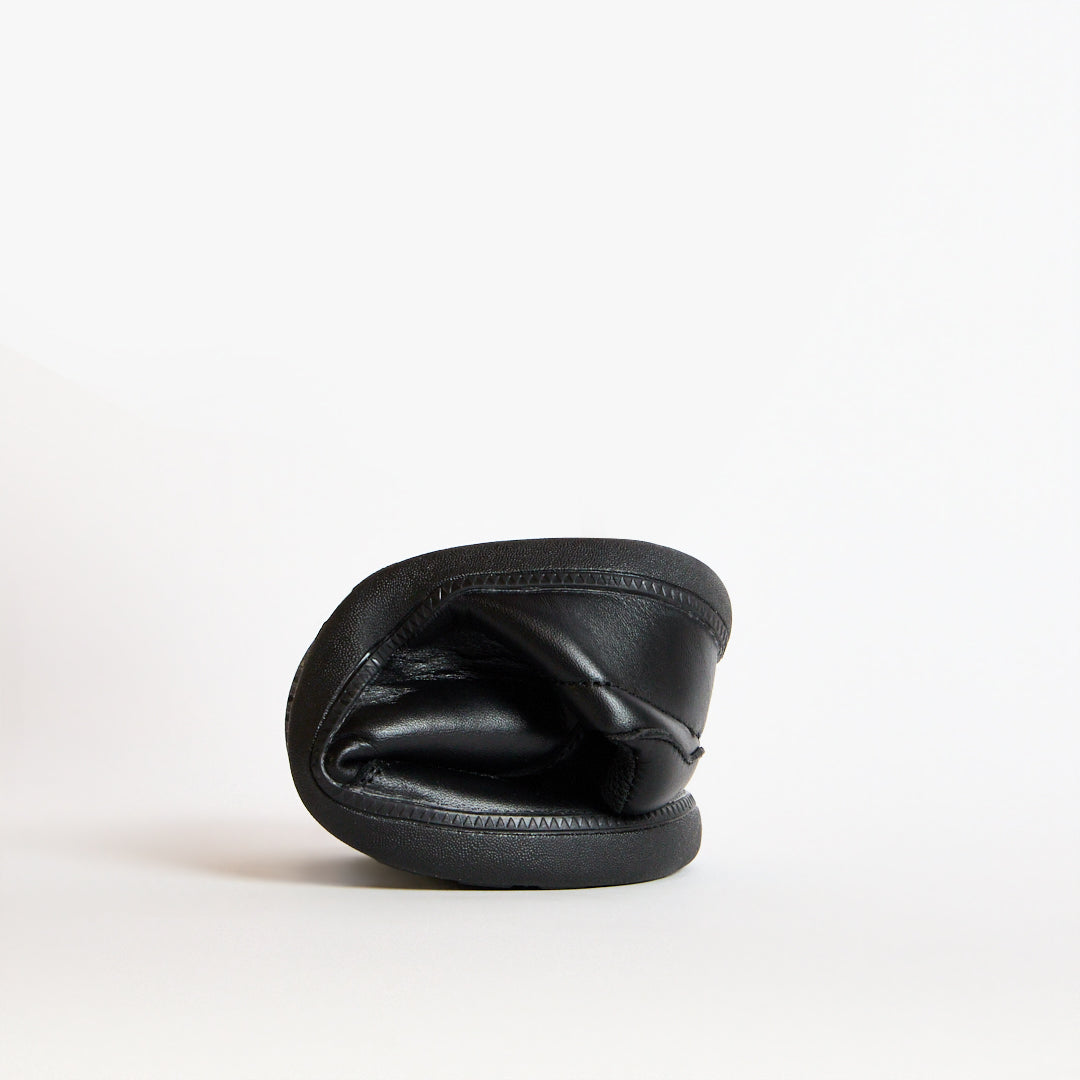
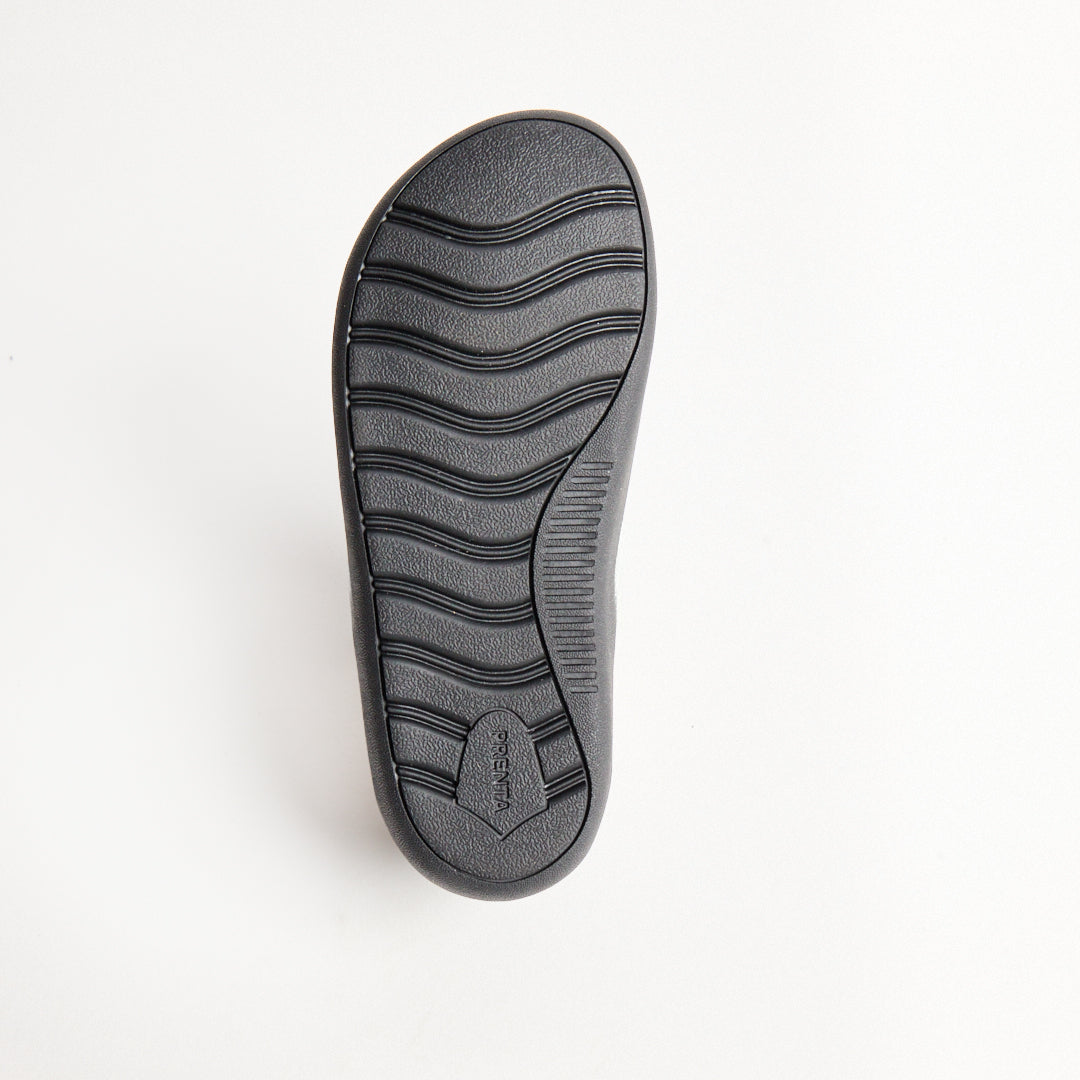
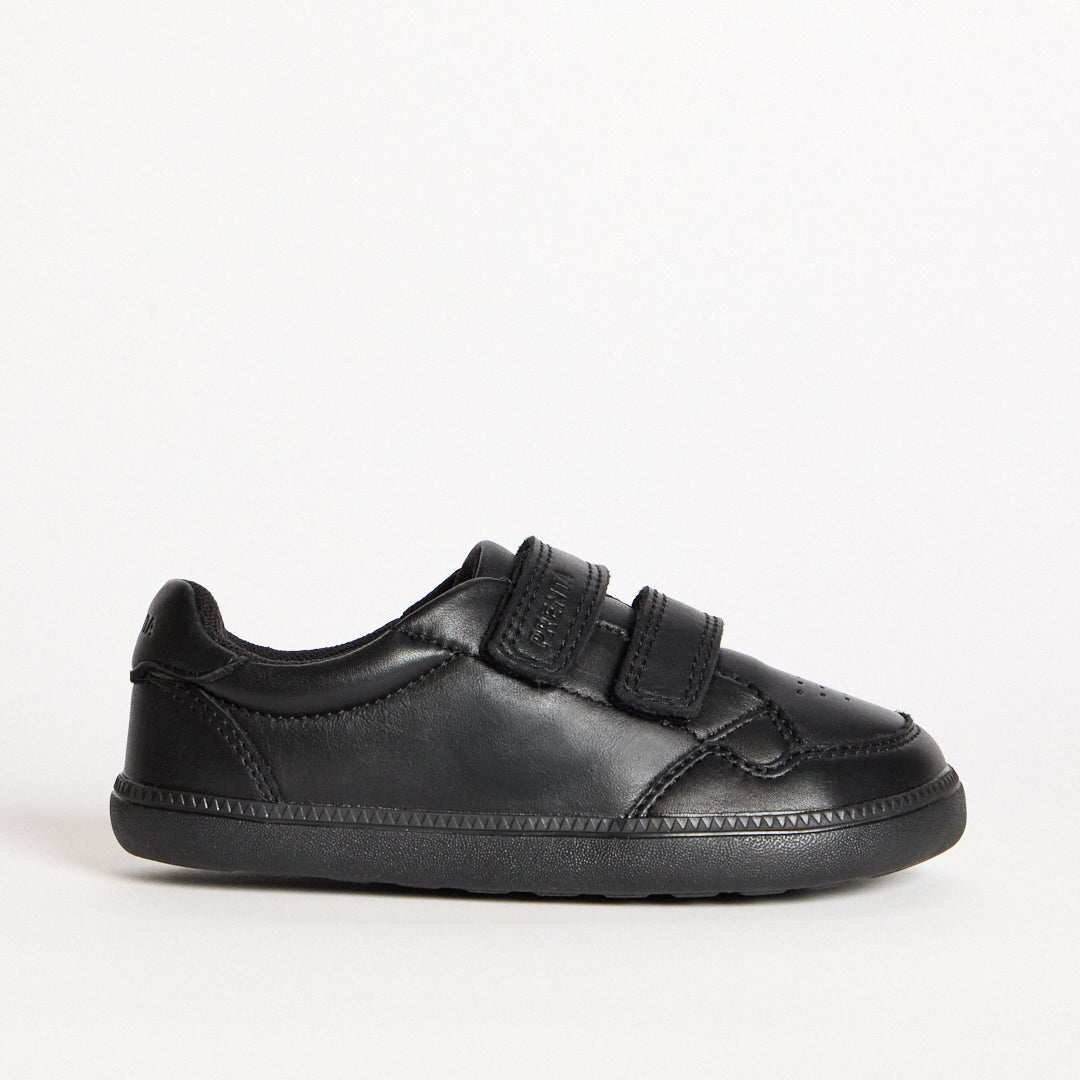
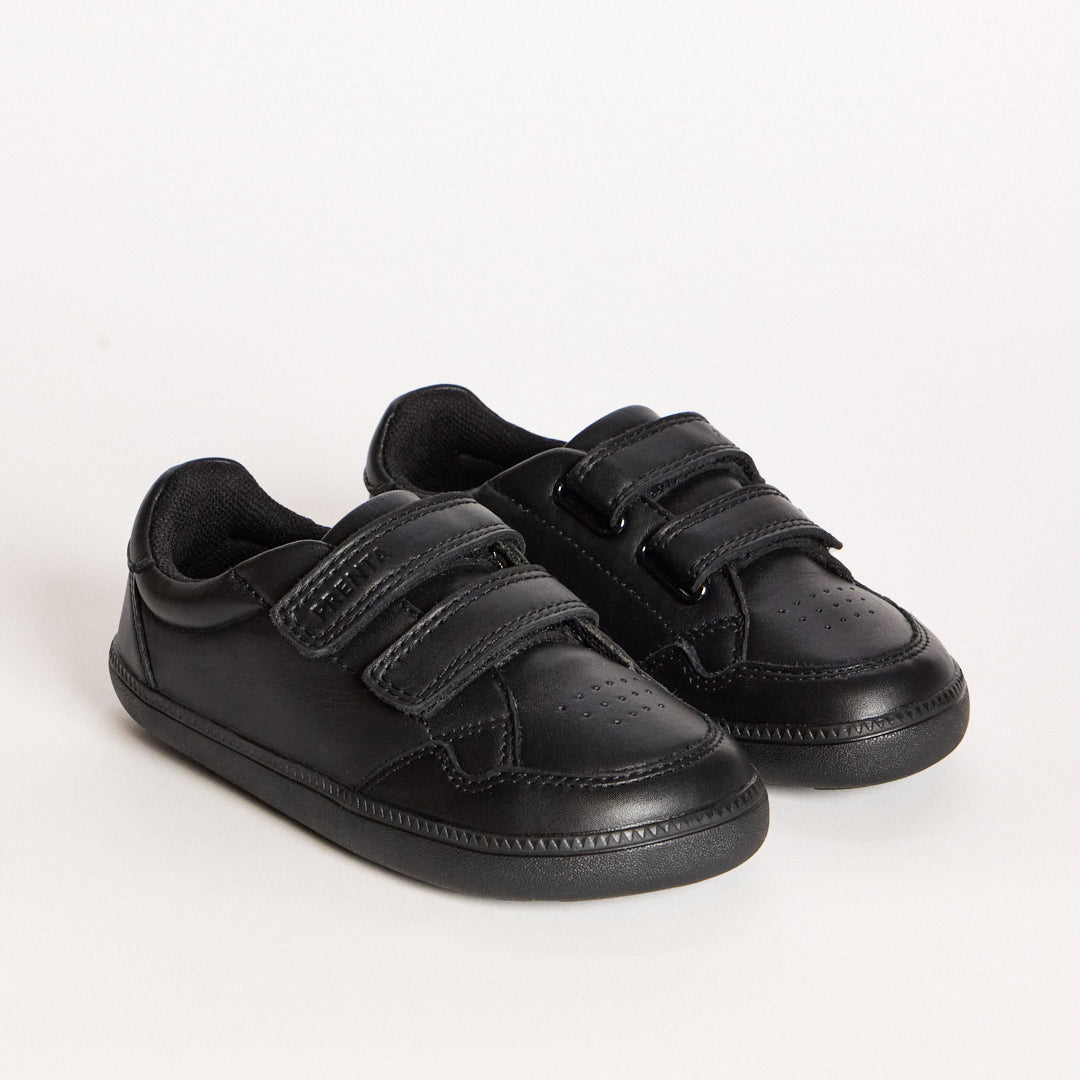
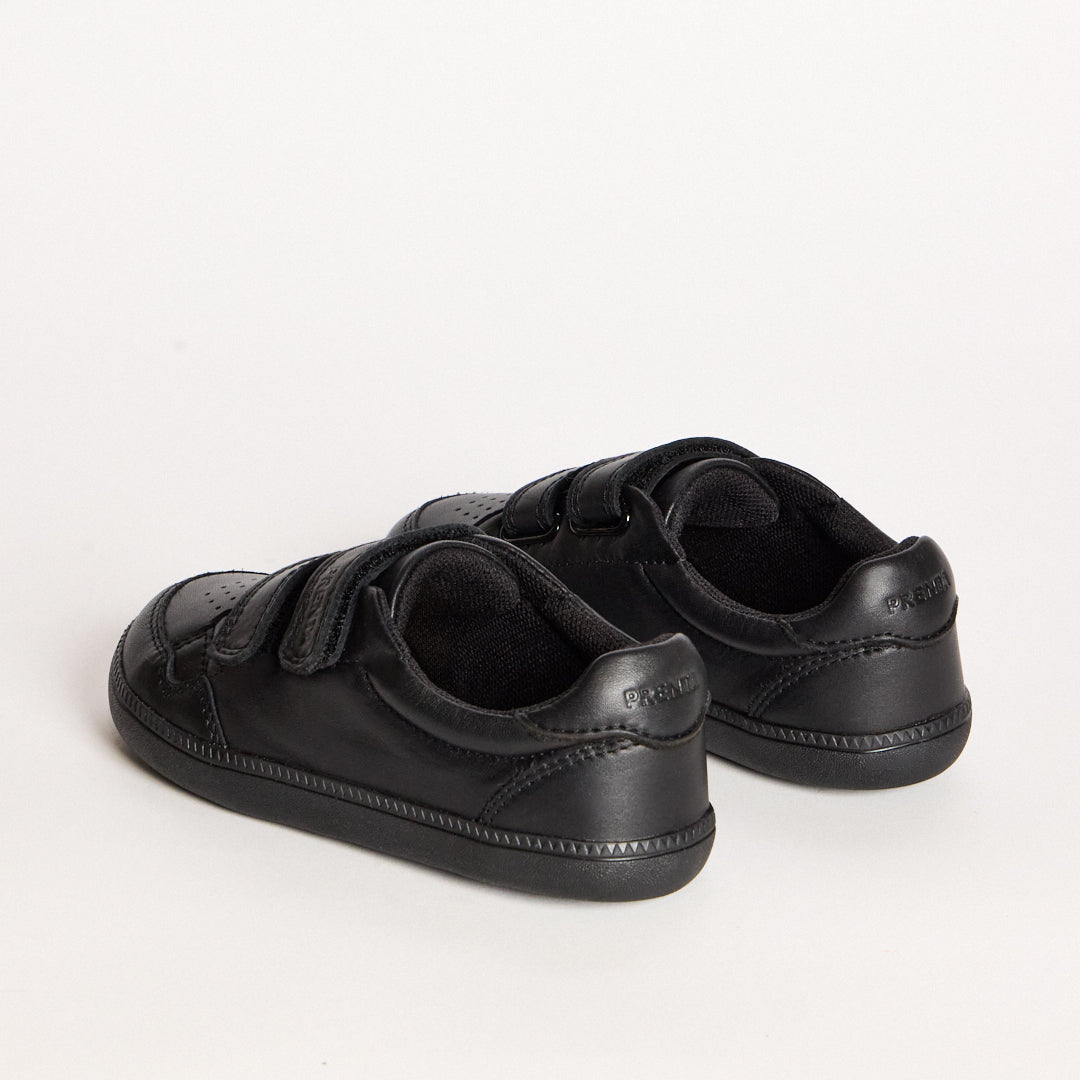
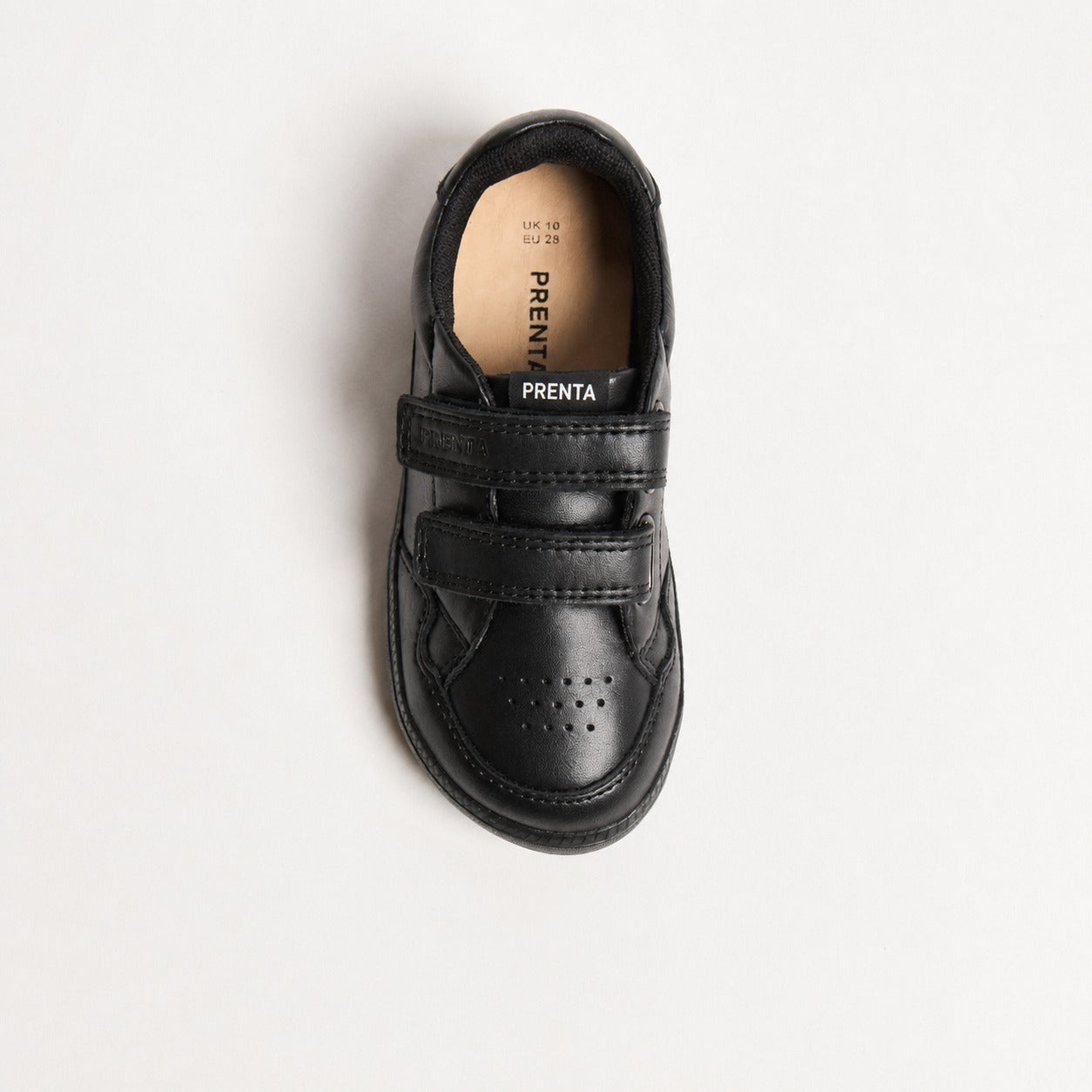
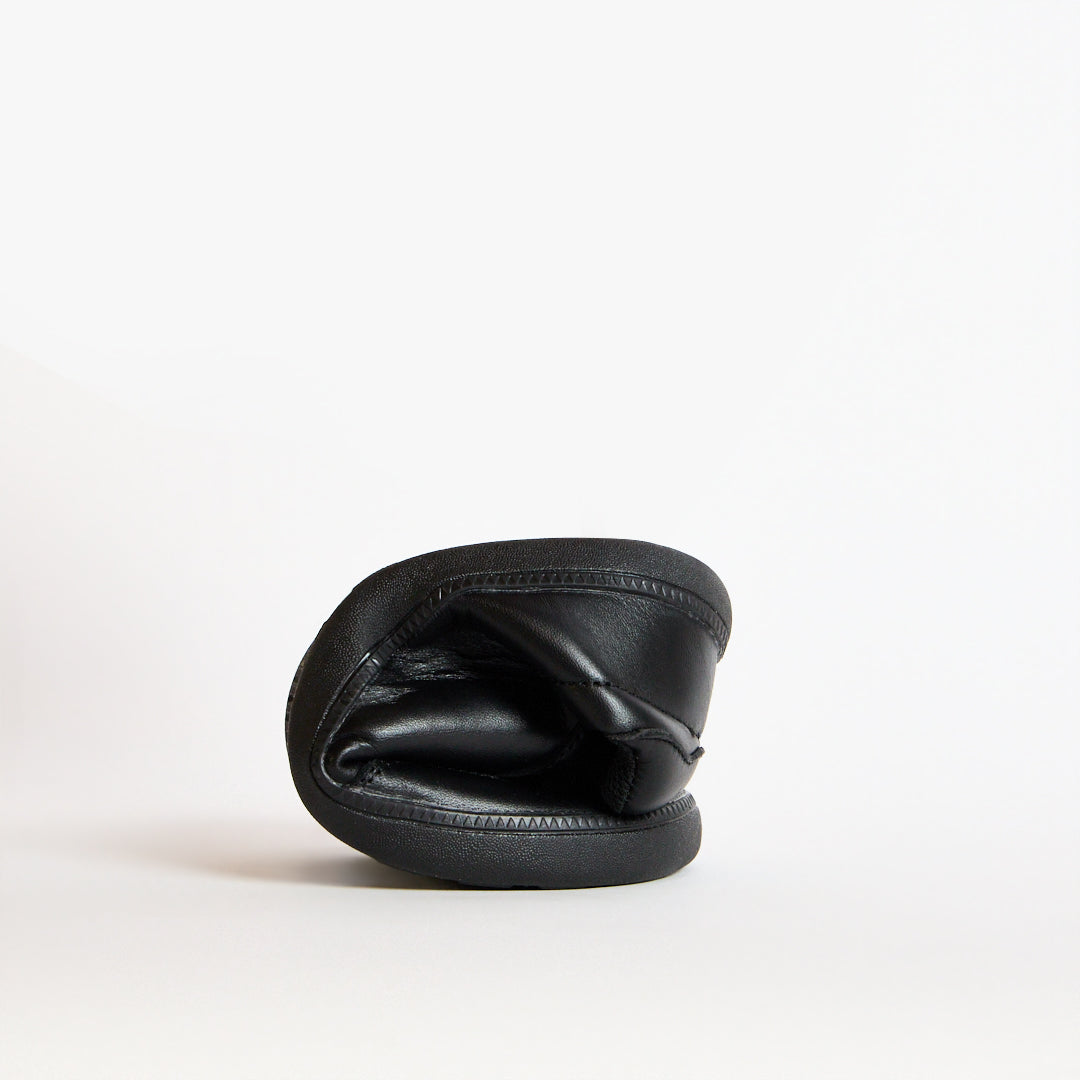
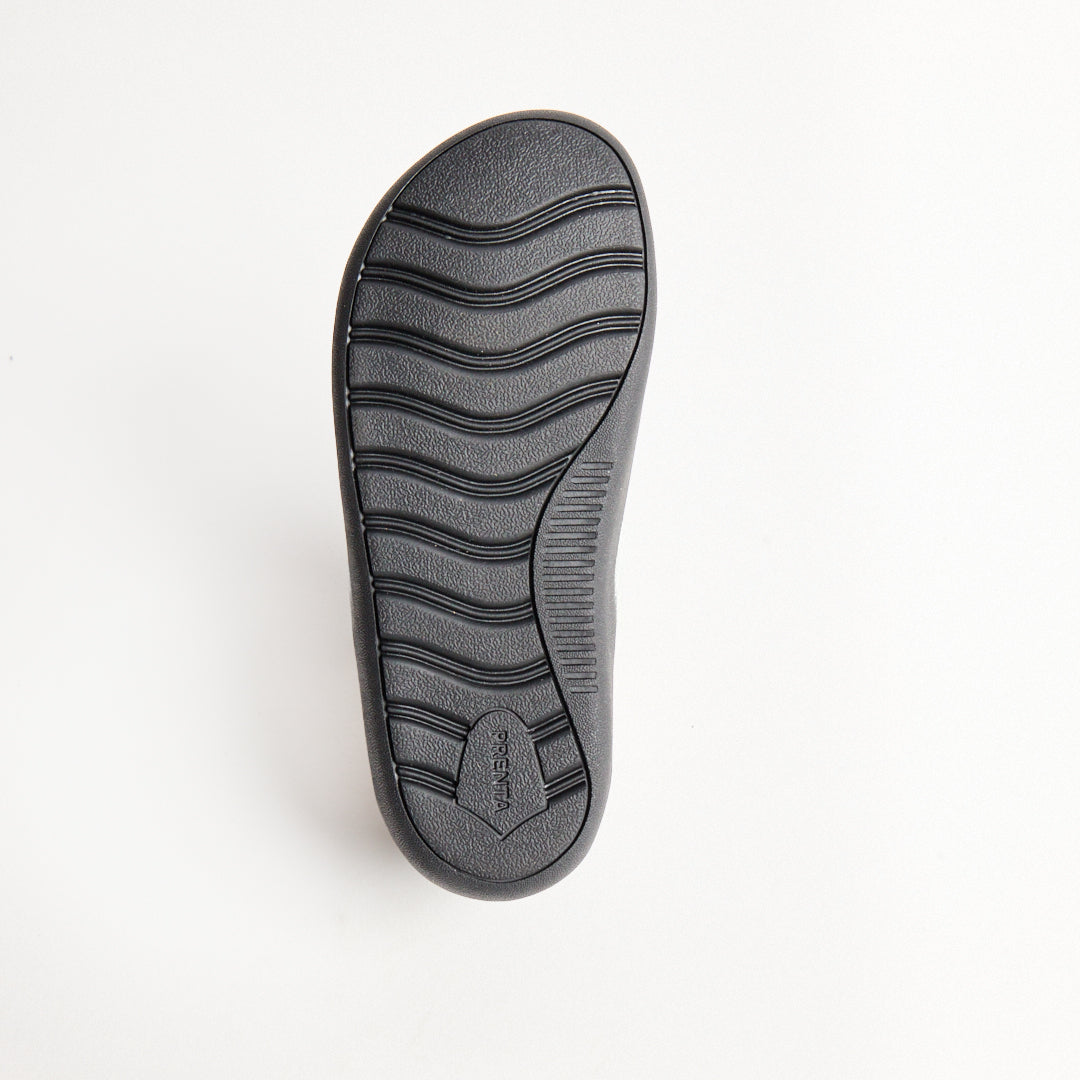
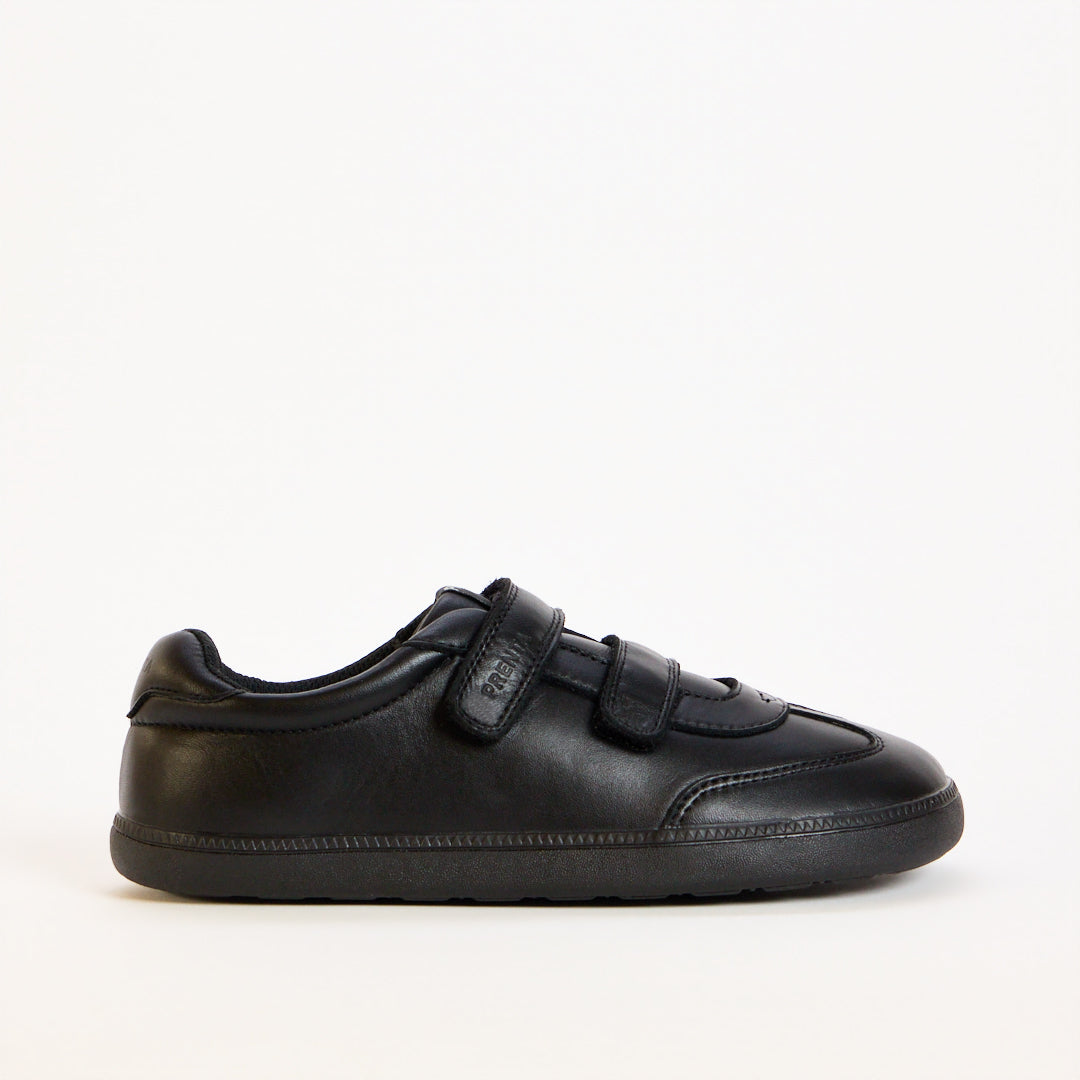
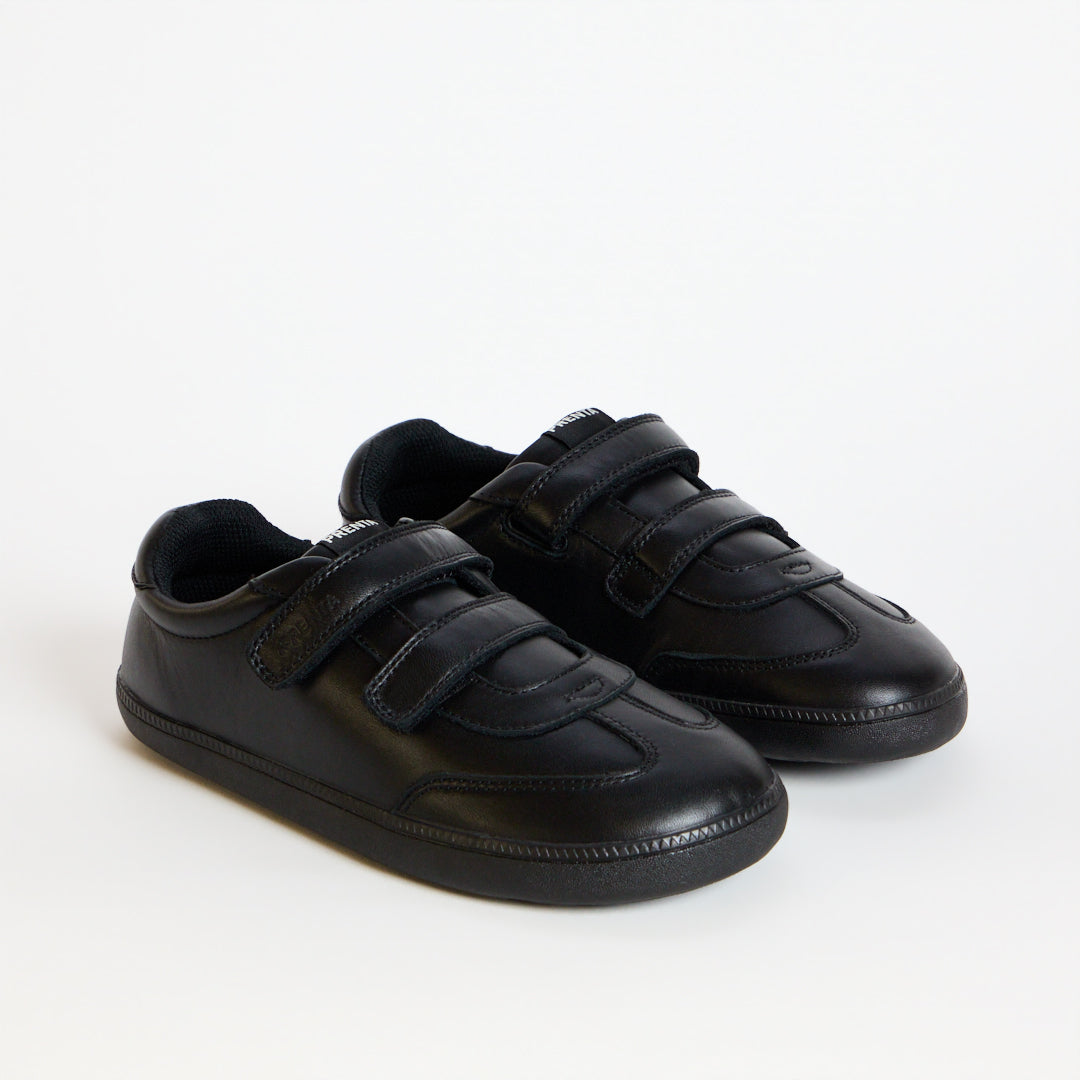
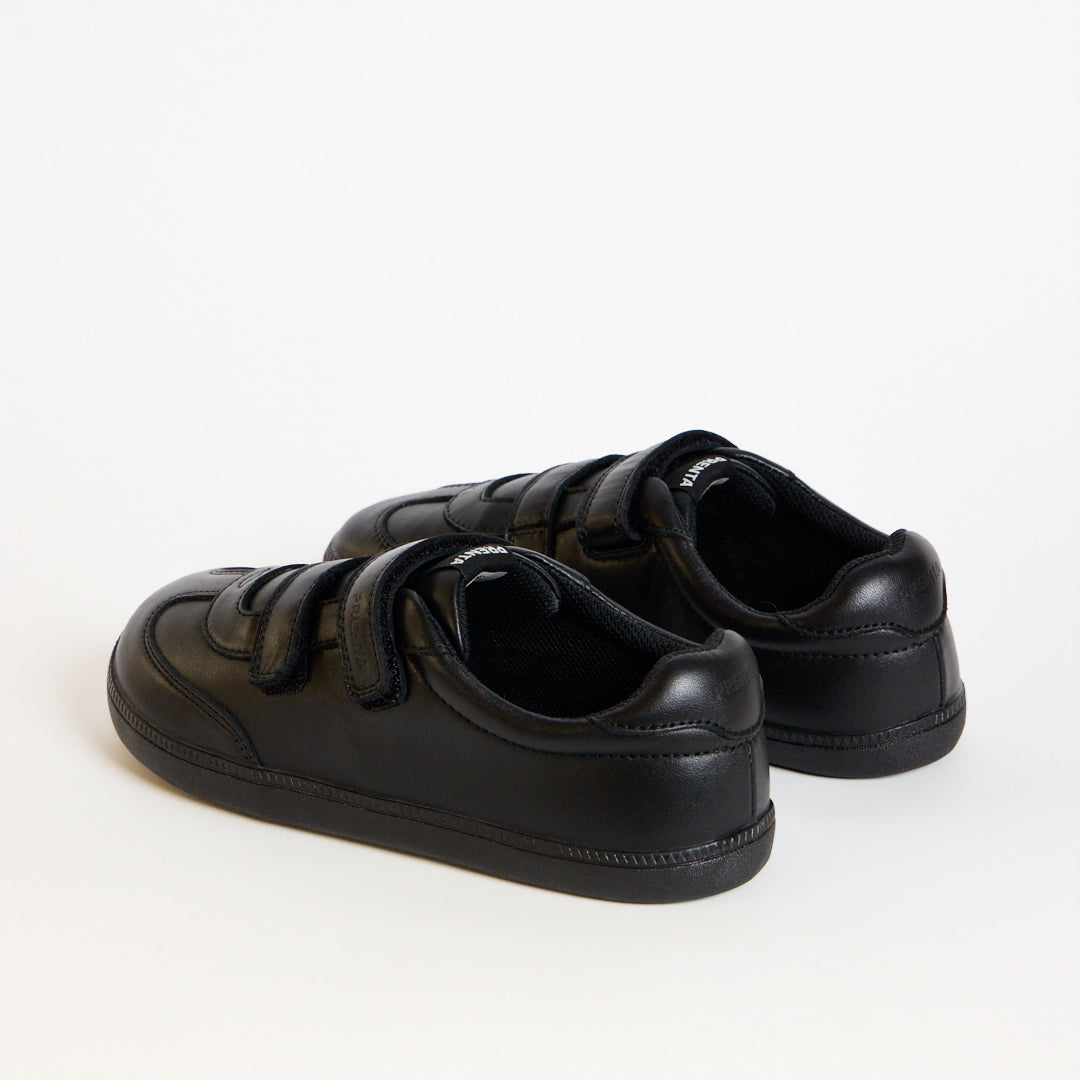
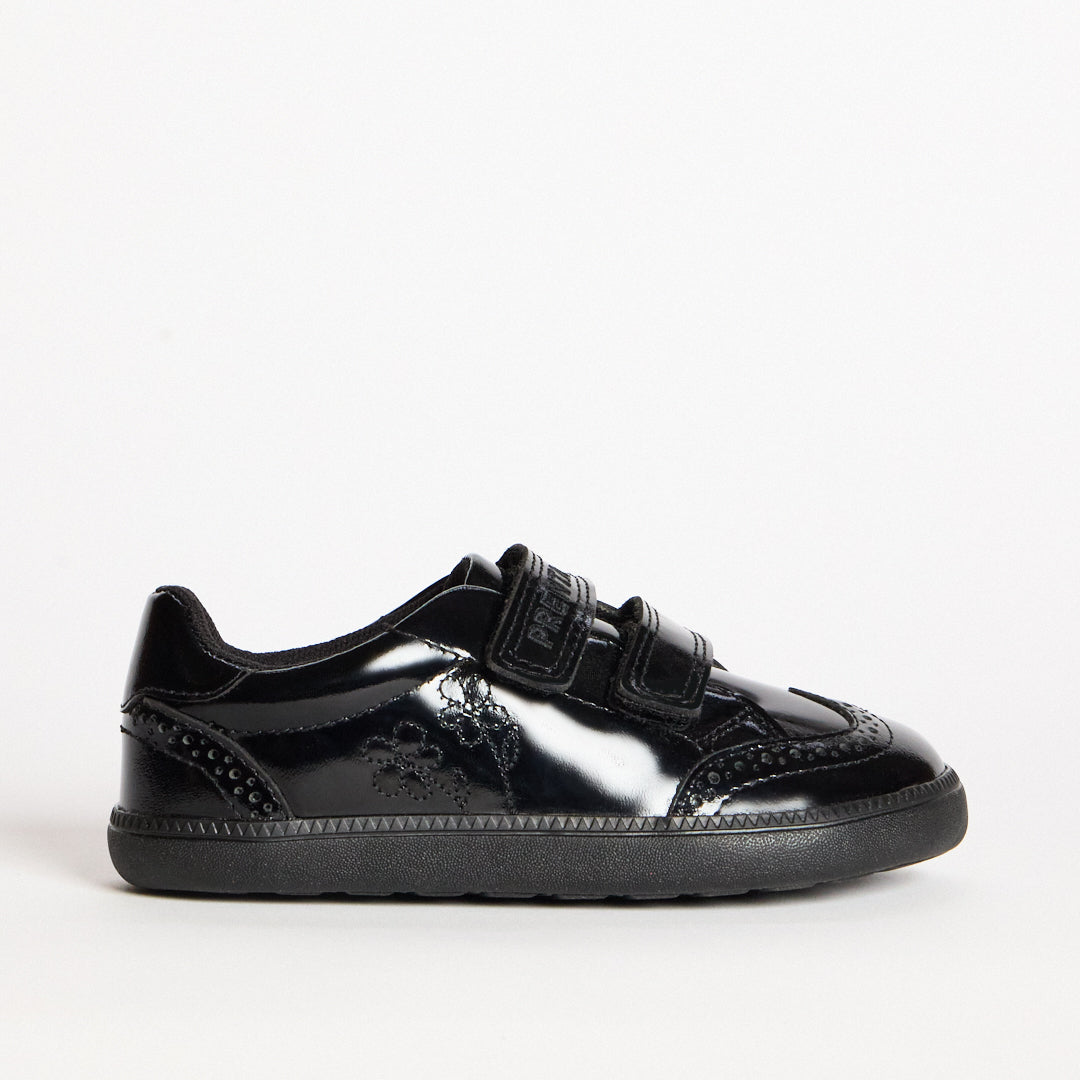
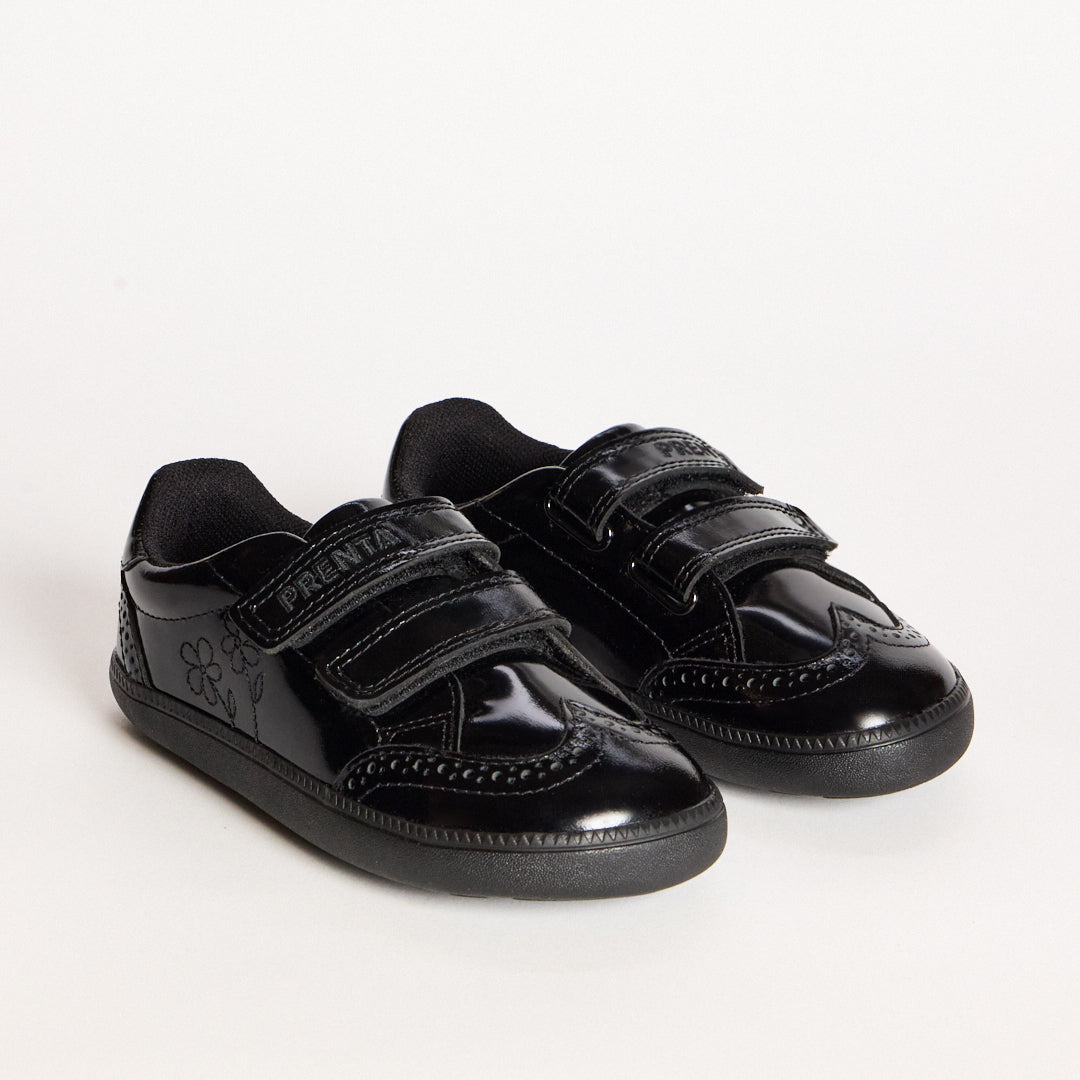
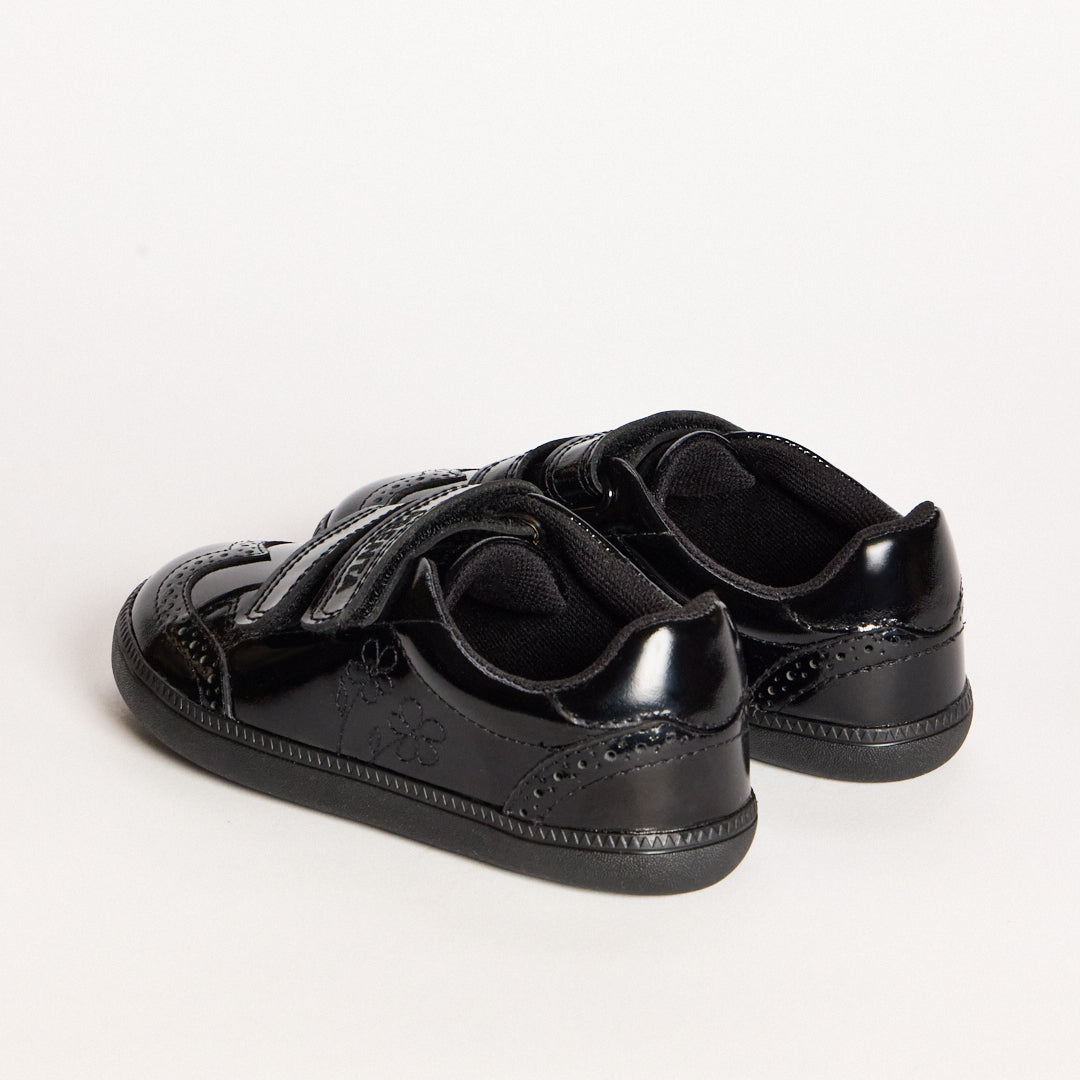
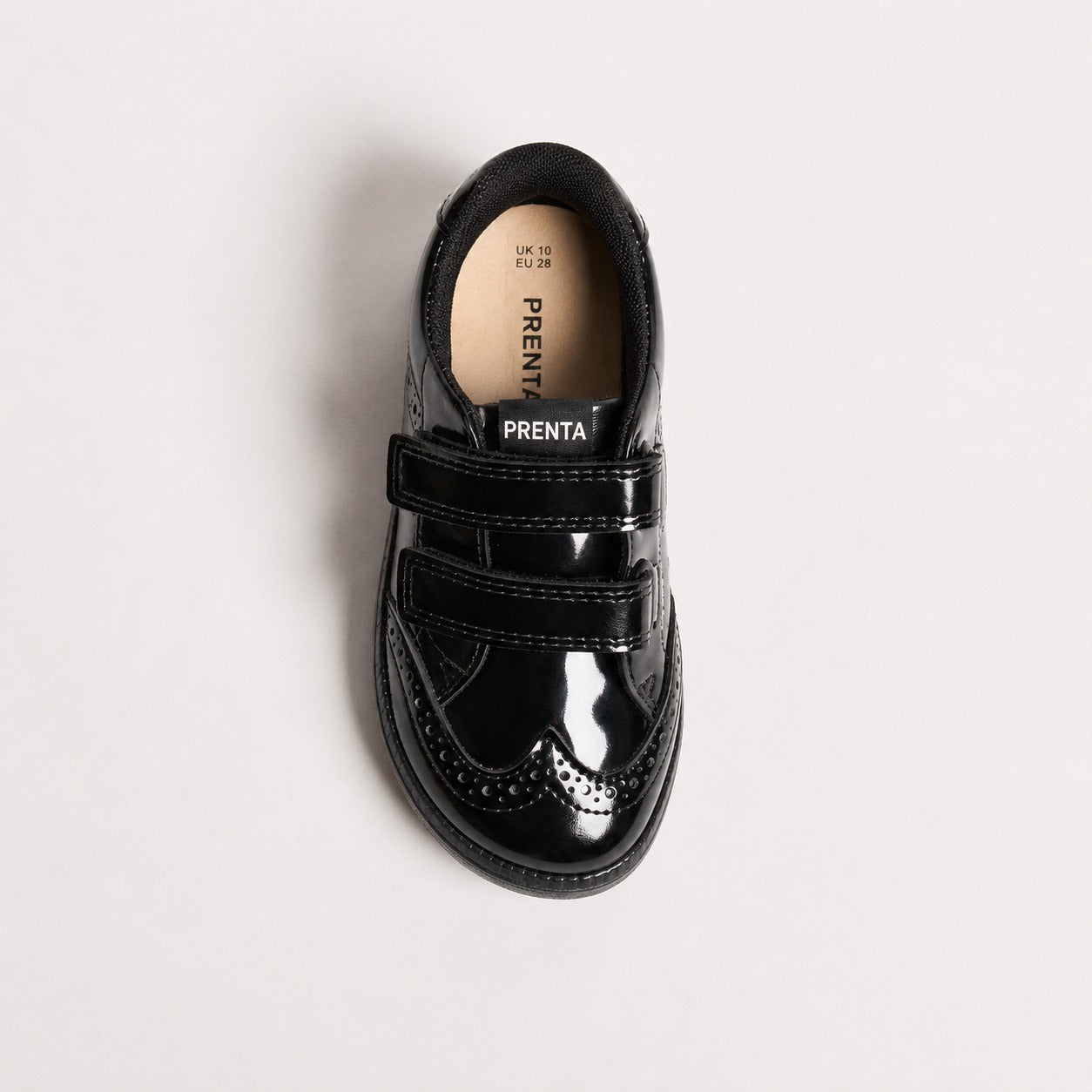
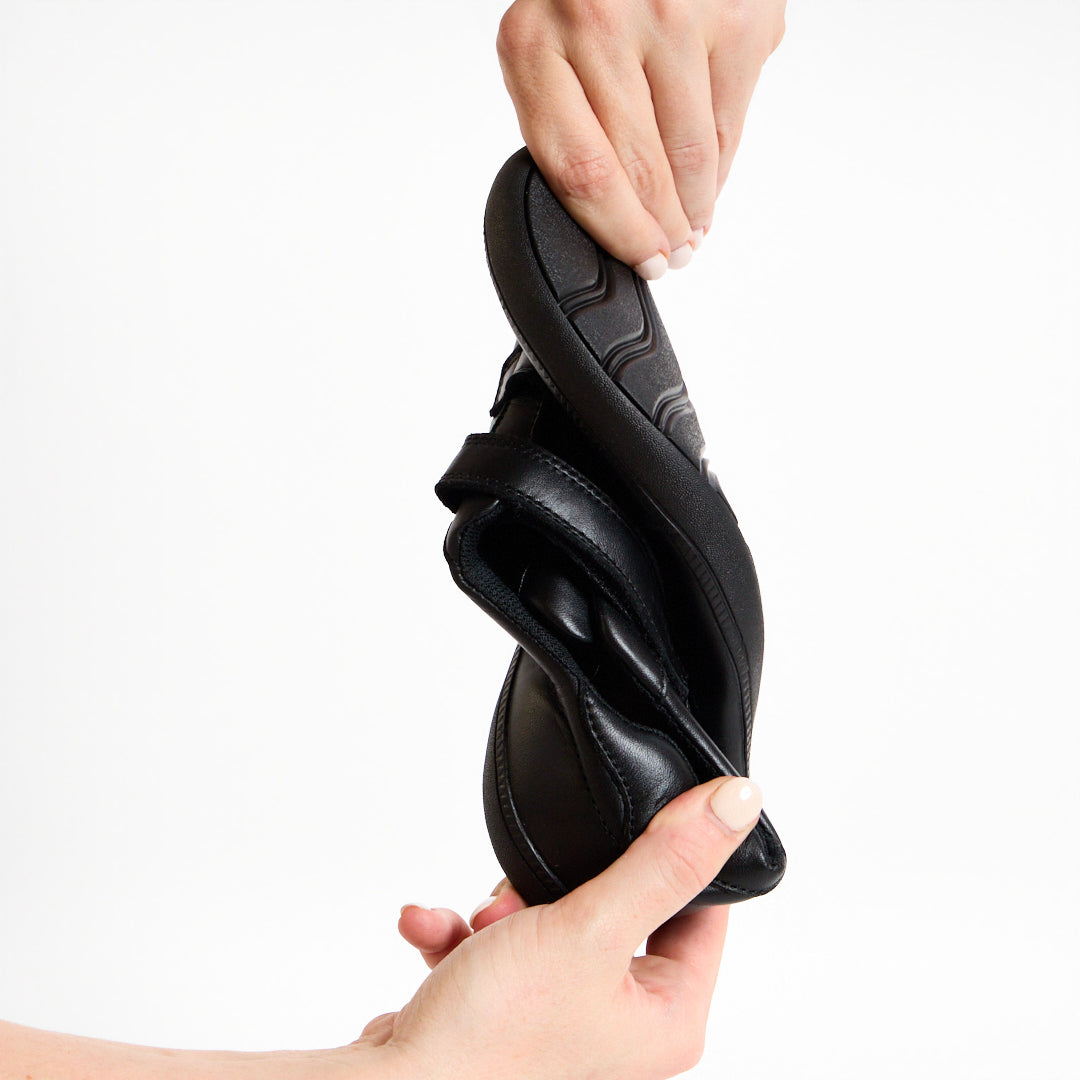
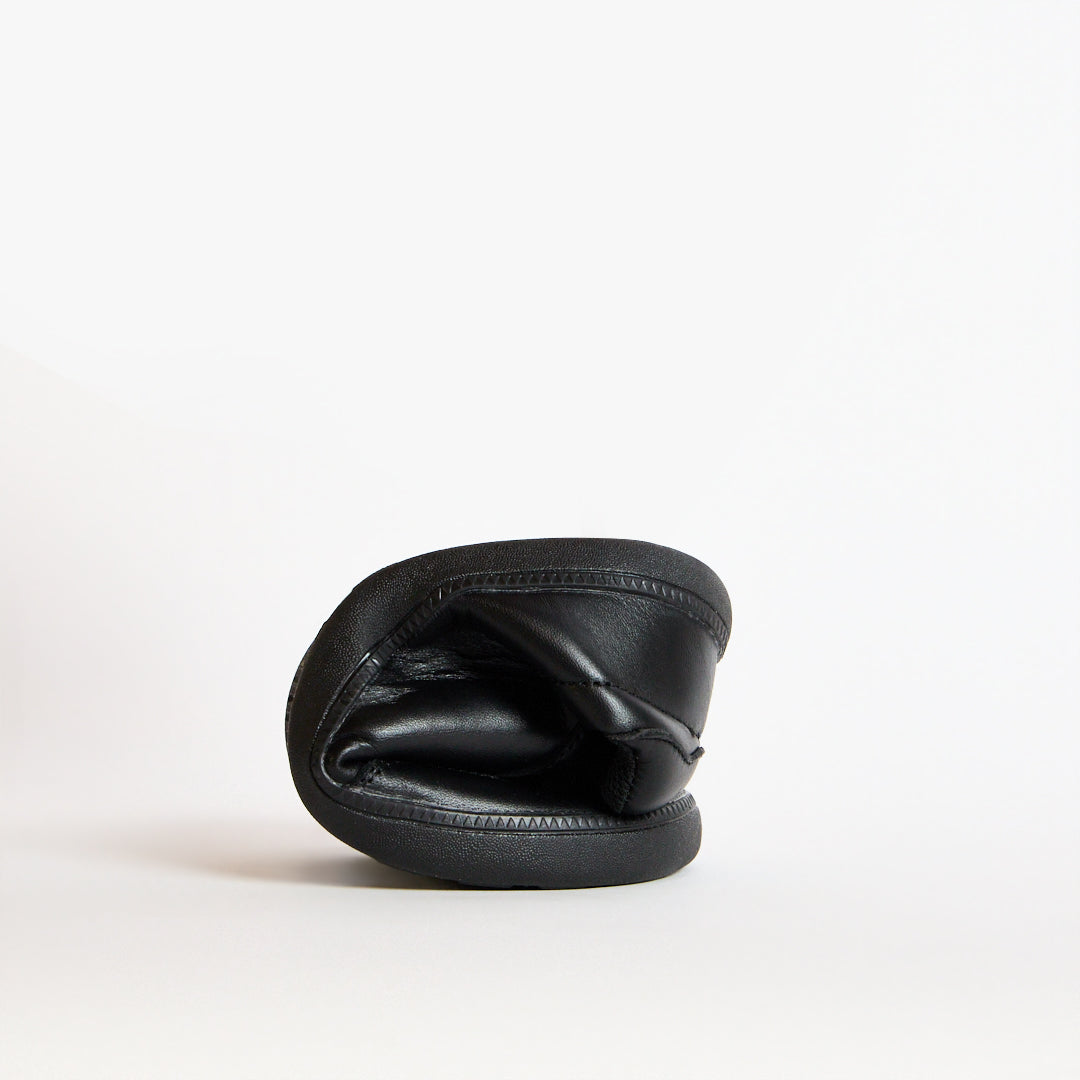
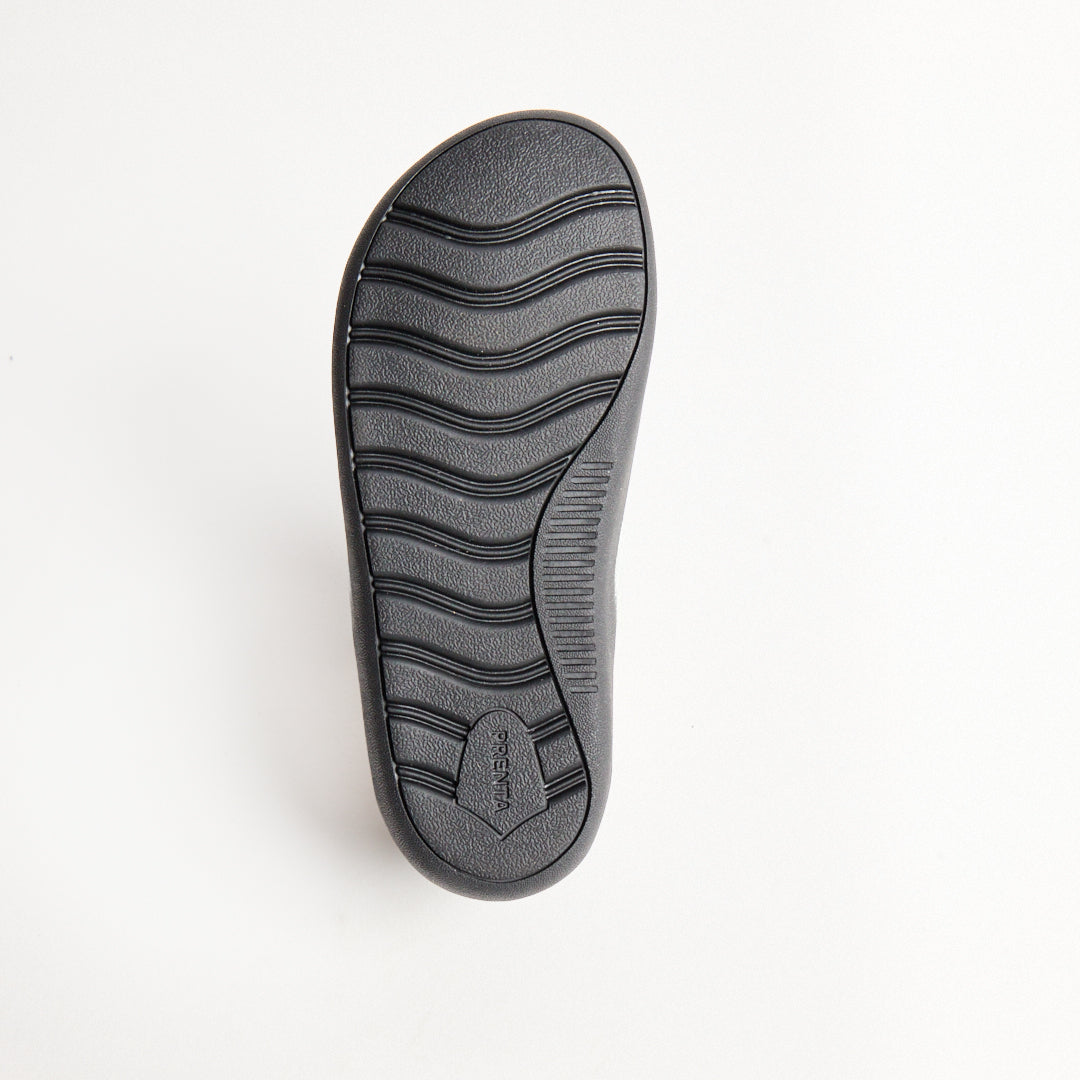
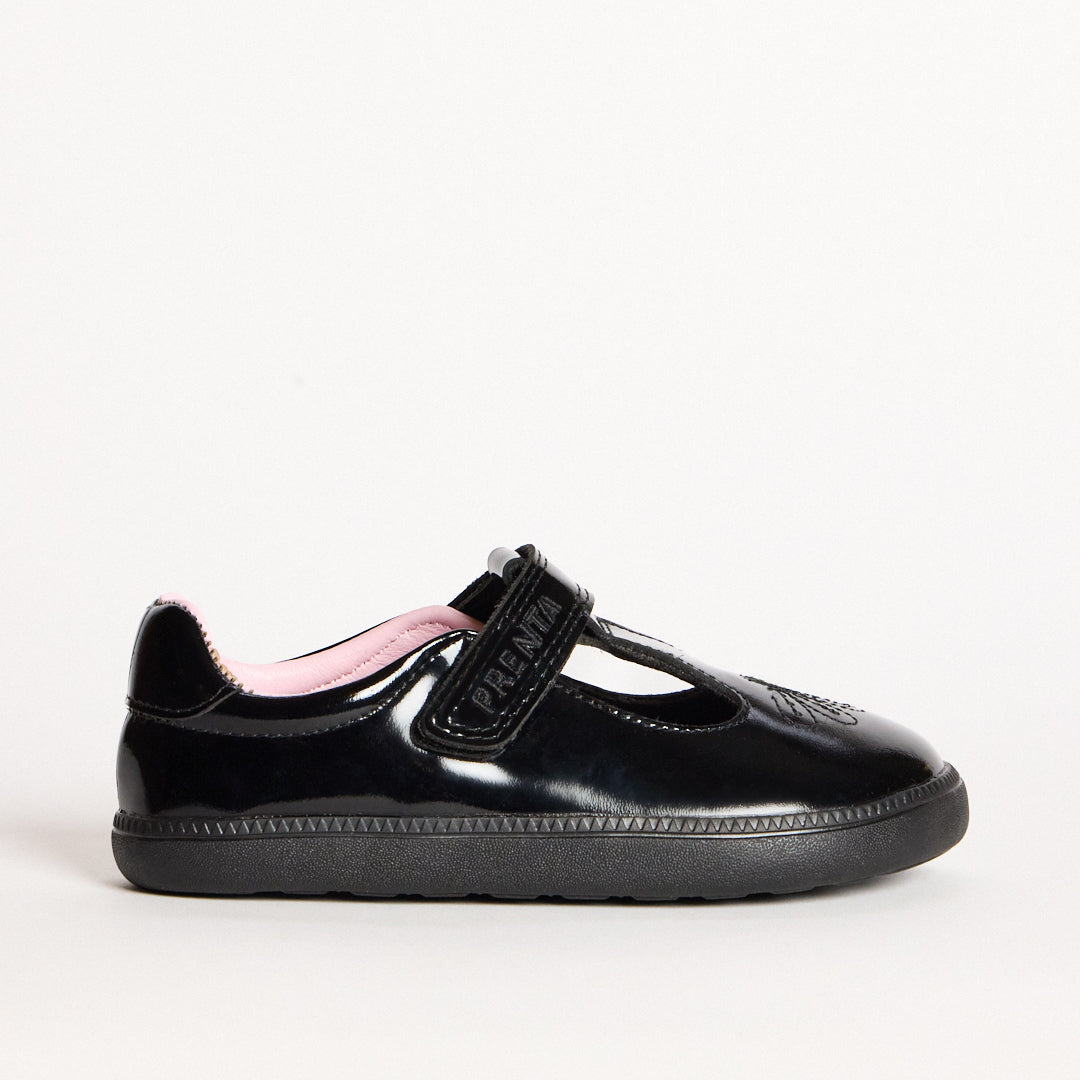
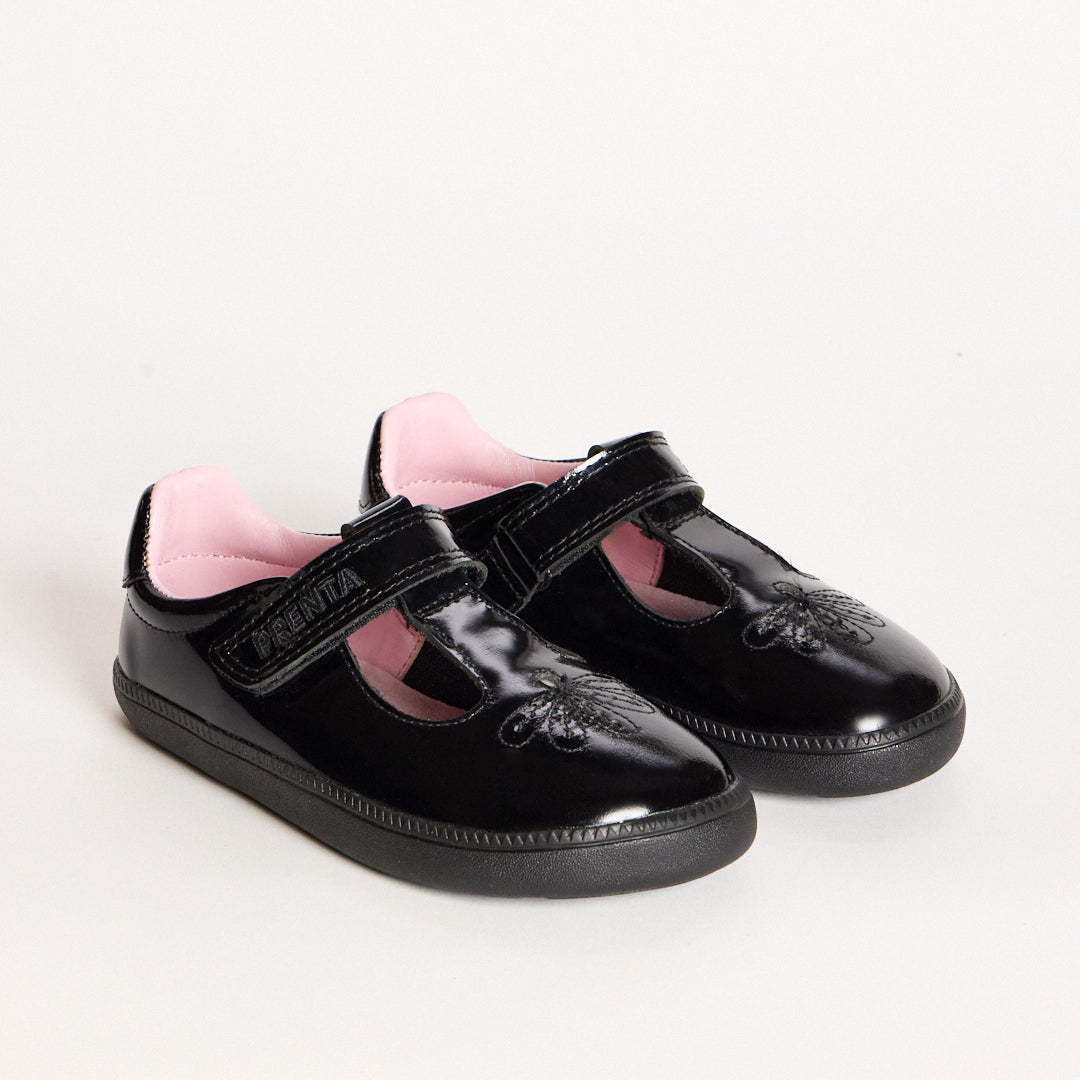
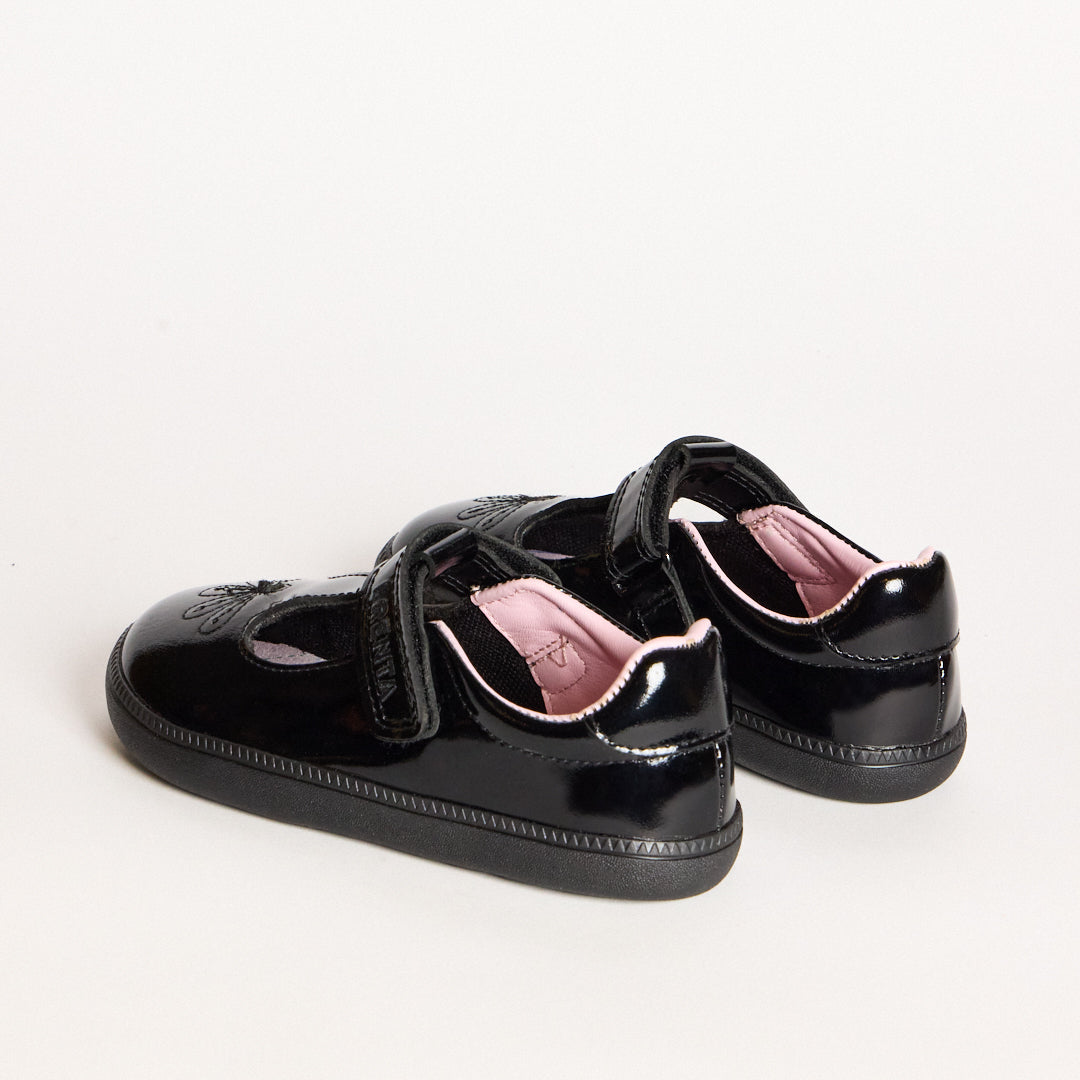
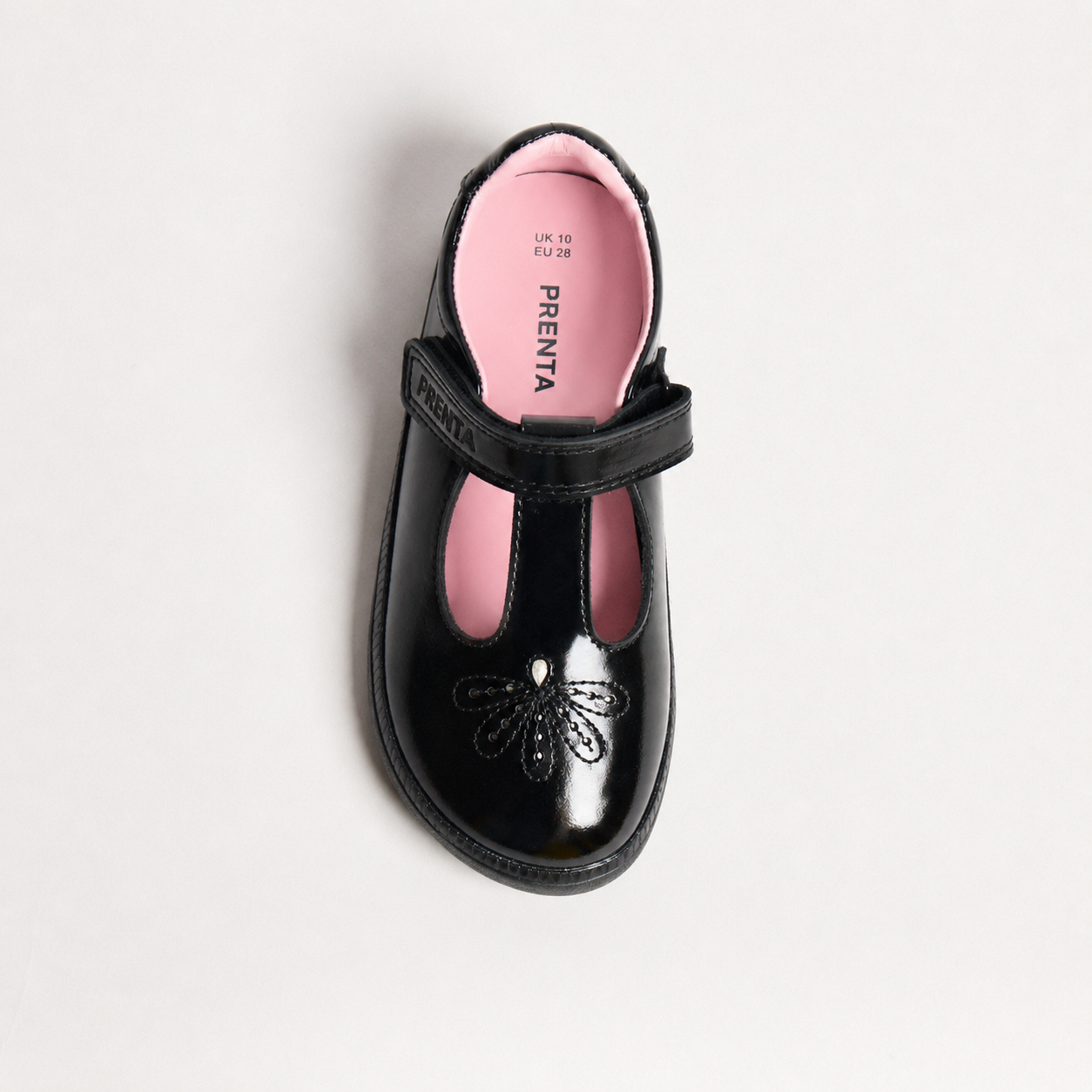
Nuestra gama de zapatos escolares barefoot se puede subdividir en estilos como:
Zapatos T-bar barefoot para niños
Zapatos barefoot de cuero para niños
Zapatos barefoot de charol para niños
Todos los estilos anteriores están diseñados para permitir que los dedos de los pies se extiendan uniformemente dentro del zapato, al mismo tiempo que brindan la durabilidad necesaria y la comodidad a largo plazo de cualquier zapato escolar.

Los beneficios del calzado minimalista para niños
El calzado minimalista facilita el desarrollo saludable del pie al permitir que los músculos, ligamentos y tendones se fortalezcan a su propio ritmo sin restricciones ni "moldeados" por el calzado. Estos son algunos de los principales beneficios del calzado minimalista para niños:
- Desarrollo natural del pie - Los zapatos tradicionales para niños no permiten ni de lejos tanto movimiento y flexibilidad como las alternativas minimalistas. Esto previene problemas de desarrollo físico.
- Apoyo más allá del pie - Los zapatos minimalistas no solo ayudan a que los pies crezcan de forma saludable, sino que también mejoran la alineación postural gracias a las plantillas de 'drop cero' y fomentan una marcha y un movimiento adecuados en todo el cuerpo. Esto se traduce en una reducción del riesgo de lesiones a largo plazo.
- Protección sin restricciones - Ofrecen protección contra lesiones físicas como rasguños y cortes, así como protección contra las inclemencias del tiempo, todo ello evitando cualquier tipo de restricción física al crecimiento y desarrollo.
Atractivo estético - A través de los zapatos Prenta, el calzado minimalista mantiene el estilo bonito del calzado tradicional para niños.
Cómo hacer la transición de tus hijos a los zapatos minimalistas
A medida que tu hijo empieza a caminar, tienes que empezar a pensar en la transición de los zapatos de cuna a los zapatos minimalistas.
Para ello, recomendamos un enfoque gradual y lento, que incluya animar a tu hijo a usar sus zapatos minimalistas en casa mientras aprende a desenvolverse de forma independiente en este entorno. Esto debe hacerse en períodos cortos, empezando con 10-15 minutos de uso supervisado, aumentando gradualmente a 30 minutos después de unos días.
A partir de aquí, permite que tu hijo camine al aire libre con sus zapatos minimalistas a tu lado. Esto les ayuda a empezar a adaptarse a los terrenos más impredecibles del mundo exterior de forma controlada, preparándolos para esos eventuales días más largos en la escuela o excursiones. Cambia lentamente de terrenos más blandos como la hierba o la arena a otros más duros como el hormigón, reduciendo la tensión en músculos y tendones.
A medida que aumentes el tiempo de uso, finalmente encontrarás que tu hijo se siente cómodo usando sus zapatos minimalistas durante largos períodos de tiempo sin problemas. En este punto, habrás introducido con éxito a tu hijo en los zapatos minimalistas.
Si estás haciendo la transición de un niño un poco mayor de calzado tradicional a calzado minimalista, el proceso es muy similar. Empieza permitiendo que tu hijo use sus zapatos minimalistas durante períodos cortos de tiempo, aumentando el tiempo de uso poco a poco hasta que se acostumbre completamente a ellos.
¿A qué edad deben empezar los niños a usar zapatos minimalistas?
Los niños deben empezar a usar zapatos minimalistas en cuanto empiecen a caminar de forma independiente. Esto ocurre generalmente entre los 9 y los 16 meses, pero puede variar en cada niño.
Antes de que estén listos para los zapatos minimalistas, considere los zapatos pre-andadores para mantener los pies calientes y protegidos en el cochecito, además de acostumbrarlos al calzado en general.
Los investigadores han dicho que el calzado minimalista tiene menos impacto en el movimiento natural del pie en comparación con los zapatos tradicionales, por lo que es una recomendación adecuada no solo para los niños de este grupo de edad, sino para todos los niños sanos en general.